Can Fortuna Silver Mines (TSX:FSM) Expand Mining Capacity?

Highlights
- Fortuna advances production capacity through operational improvements across existing mining assets.
- Cost discipline remains central to strengthening margins amid supportive metals markets.
- Silver exposure connects production with industrial and precious metals demand.
A mid-tier precious metals producer is advancing operational capacity while balancing silver and gold exposure, cost discipline, established infrastructure and changing commodity market conditions.
Fortuna Silver Mines Inc.
(TSX:FSM)
, a mid-tier precious metals producer, is attracting renewed market attention as it advances production growth through operational enhancements across its existing mining portfolio. With silver and gold exposure, the company occupies an important position within the precious metals sector, while its focus on improving mine performance provides a foundation for further operational expansion.
The company operates across Latin America, where established mining infrastructure, geological expertise and regional operating experience support its broader production strategy. Its multi-metal profile also gives the business exposure to different areas of precious metals demand, including industrial applications for silver and traditional demand for both silver and gold.
The broader Canadian equity market provides an important backdrop for the company. Fortuna is represented within the TSX Smallcap Index, linking its performance to a wider universe of Canadian-listed companies while maintaining its distinct identity as a precious metals producer.
What Is Driving Fortunas Production Strategy?
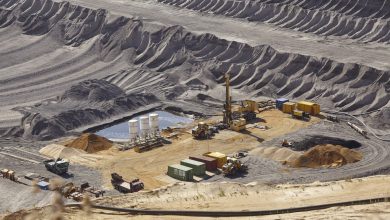
Fortunas current strategy centres on improving production from established assets rather than relying exclusively on entirely new mining developments. Operational enhancements can include higher processing throughput, improved extraction methods and better utilisation of existing infrastructure.
This approach can provide advantages because established mines already have geological information, processing systems and operating experience. Expanding an existing operation may therefore involve fewer uncertainties than developing a completely new mining project.
For a mid-tier producer, production growth from existing infrastructure can also support more efficient use of capital. When processing capacity and mine productivity improve together, additional output can potentially be generated without requiring an entirely new operating platform.
The effectiveness of this strategy will ultimately depend on execution. Maintaining operational reliability while increasing production requires careful management of equipment, labour, processing facilities and mine planning.
How Does Silver Exposure Strengthen Positioning?
Silver gives Fortuna exposure to a commodity with both precious metal and industrial characteristics. Unlike metals whose demand is primarily connected with investment and jewellery markets, silver is also widely used in industrial applications.
Electronics, solar technology and medical equipment are among the areas where silver plays an important role. This creates a broader demand base and can provide an additional structural element to the company’s production profile.
Industrial demand can be particularly relevant when assessing the longer-term outlook for silver. The continued development of renewable energy technologies and advanced electronics supports demand for materials with specialised electrical and conductive properties.
For Fortuna, silver exposure therefore represents more than a traditional precious metals theme. The company participates in a market influenced by both industrial requirements and precious metals sentiment.
Its gold production adds another dimension, creating a diversified commodity profile within the precious metals industry.
What Role Does Gold Play Here?
Gold remains an important component of Fortunas broader production strategy. The metal has traditionally attracted demand during periods of economic uncertainty, currency concerns and changing global monetary conditions.
Having both silver and gold exposure allows Fortuna to participate across two related but distinct precious metals markets. This can help differentiate the company from producers whose operations are concentrated primarily around a single commodity.
Gold operations can also contribute to overall production economics by generating revenue from an additional metal stream. For a diversified mining company, managing this portfolio effectively can help balance changes in individual commodity markets.
The combination of silver and gold remains a defining feature of Fortunas identity within the mid-tier mining sector.
Why Are Existing Mine Expansions Important?
Existing mine expansions can offer several operational advantages compared with greenfield developments. Established mines typically have known ore bodies, existing infrastructure and historical production information.
These characteristics can help reduce some of the uncertainty associated with entirely new mining projects. Processing facilities, transportation networks and local operating relationships may already be available, allowing expansion efforts to build on an existing foundation.
For Fortuna, this approach aligns with its emphasis on production acceleration and operational enhancement.
Expansion projects can also provide opportunities to improve productivity without creating an entirely new mining complex. Better processing throughput, improved recovery methods and more efficient extraction can contribute to higher production from established resources.
However, expansion still requires disciplined capital management and careful execution. Mining projects can encounter equipment, geological, permitting, labour and infrastructure challenges even when they are connected to existing operations.
How Important Is Cost Discipline?
Cost management remains one of the most important factors in determining whether production growth translates into stronger financial performance.
Mining companies face expenses across labour, energy, transportation, equipment maintenance, processing and site operations. An increase in production does not automatically create better financial results if operating costs rise at a similar or faster pace.
Fortunas focus on cost discipline therefore remains closely connected to its production strategy. Improving throughput while maintaining competitive operating costs can strengthen the economics of additional production.
All-in sustaining costs are particularly relevant when assessing precious TSX Metal & Mining Stocks producers because the measure incorporates the broader costs associated with maintaining ongoing production.
For Fortuna, future operating updates will provide important insight into whether increased production is accompanied by sustainable cost performance.
Why Does Latin America Matter For Fortuna?
Latin America is a significant mining region with extensive deposits of silver, gold, copper and other natural resources. The region has developed specialised mining infrastructure and a substantial workforce with experience across different stages of the mining cycle.
Fortunas presence in Latin America provides access to this established mining ecosystem. Its operating experience in the region can support familiarity with local conditions, supply networks and community relationships.
Cost structures can also differ considerably between mining jurisdictions. Labour, infrastructure and service expenses can influence the competitiveness of individual operations.
At the same time, operating across Latin America requires careful attention to regulatory requirements, community engagement, environmental standards and local economic conditions.
Maintaining strong stakeholder relationships is therefore an important part of sustainable mining operations.
What Could Influence Future Production?
Several factors could shape Fortunas production trajectory as operational enhancements progress.
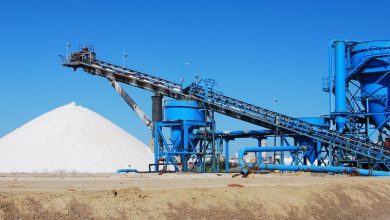
Mine throughput will remain important because processing capacity can influence the amount of material converted into recoverable metals. Extraction efficiency and recovery rates will also affect overall production outcomes.
Equipment availability is another consideration. Mining operations depend on large-scale machinery and processing systems, making maintenance and reliability essential.
Commodity prices will naturally remain relevant to the economics of production. Higher prices can improve project economics, while weaker prices may increase pressure on margins and capital allocation.
Energy costs, labour availability and transportation expenses can also influence operating performance.
Fortunas ability to balance these factors while progressing production improvements will determine how effectively its strategy translates into financial results.
Can Production Growth Improve Margins?
Production growth can support margin expansion when additional output is generated efficiently. Fixed or semi-fixed operating expenses can sometimes be spread across greater production volumes, improving cost efficiency.
However, the outcome depends heavily on the underlying economics of each operation.
Higher throughput may require additional labour, maintenance, energy and processing expenses. If these costs increase significantly, the financial benefit of greater production can become more limited.
This makes operational efficiency particularly important for Fortuna. The company’s ability to increase output while maintaining disciplined costs could influence how markets assess the quality of its growth.
The relationship between production volume, recovery performance and sustaining costs will therefore remain an important area of attention.
What Are The Main Industry Risks?
Precious metals producers remain exposed to commodity-price volatility, operational disruptions and geopolitical developments.
Mining operations can also face challenges related to weather, equipment availability, workforce requirements and infrastructure.
Latin American operations may introduce additional considerations surrounding regulation, taxation, community relations and government policy.
Environmental expectations are another major consideration for modern mining companies. Responsible water management, land use, emissions control and community engagement can influence the long-term sustainability of mining operations.
Currency movements can also affect financial results when operating expenses and revenues are generated across different jurisdictions.
These risks reinforce the importance of operational discipline as Fortuna continues advancing its production strategy.
What Should Markets Watch Next?
Future attention is likely to centre on production performance, processing throughput and cost trends across Fortunas operating portfolio.
Updates concerning capacity improvements could provide greater visibility into the company’s ability to increase production from established assets.
Markets may also monitor silver and gold market conditions, particularly because commodity prices influence revenue generation and project economics.
Cost guidance will remain important as well. Sustaining competitive production economics while expanding output can distinguish efficient mining growth from volume expansion that places pressure on profitability.
Operational milestones, project execution and resource development will provide further clues about the company’s ability to maintain momentum.
How Does Fortuna Fit The Mining Sector?
Fortuna Silver Mines
(TSX:FSM)
represents a mid-tier precious metals producer with exposure to both silver and gold and an established operational presence across Latin America.
Its production strategy is focused on improving existing operations and advancing capacity rather than relying solely on greenfield development. That approach can provide a potentially more measured pathway towards production growth, particularly when supported by established infrastructure and operating knowledge.
Silver exposure gives the company participation in industrial demand trends, while gold adds another precious metals revenue stream.
The central question for the company is whether production acceleration can be achieved while maintaining disciplined operating costs and reliable mine performance.
As operational improvements continue, production volumes, sustaining costs, commodity conditions and project execution will remain key factors shaping the company’s market outlook.