Crypto Card Spending Jumps Threefold in a Year, Data Shows
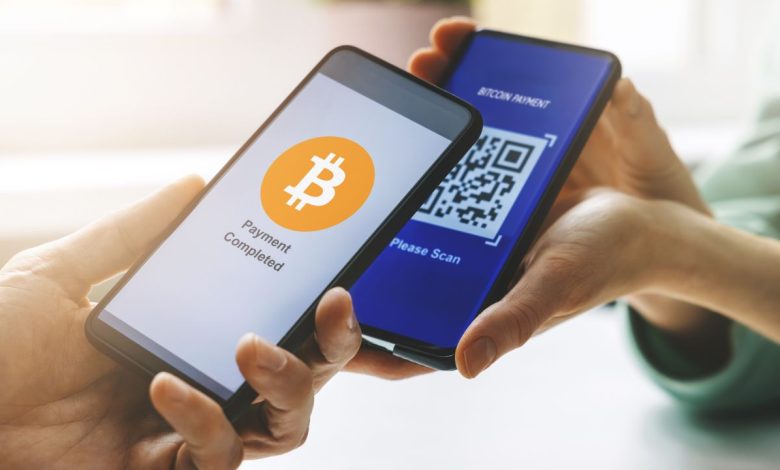
Cryptocurrency card spending has reportedly more than tripled in the last year amid increased retail purchasing.
Spending on these cards came to $1.04 billion in July thanks to dollar-backed stablecoins and more people purchasing everyday items like groceries, CoinDesk reported Sunday (Aug. 23).
Dollar-backed stablecoins were behind 70% of the more than 10 million tracked transactions, the report said, citing Paymentscan data. USDC accounted for half of that volume, with Tether’s USDT making up 20.3%, compared to around 48% and 7%, respectively, a year earlier.
The report said this growth indicates a crucial shift in consumer stablecoin use, as the tokens become popular as a way to hold digital dollars and make cross-border transactions.
“The real measure of crypto’s progress is not simply how many people own digital assets, but how useful those assets become in everyday life,” Thomas Gregory, vice president of payments and fiat at Binance, told CoinDesk.
“Stablecoin-funded cards are one example of how digital assets are becoming more deeply embedded in everyday life, giving users greater flexibility in how they spend, move and access their money.”
As the report noted, crypto cards allow users to spend stablecoins and other assets through existing payment networks without requiring merchants to actually accept crypto. Depending on the card, users deposit money with the issuer or keep them in a crypto wallet, with balances converted at checkout so it arrives in the merchant’s local currency.
Per CoinDesk, that means stablecoins aren’t replacing Mastercard and Visa at checkout, but rather becoming an additional way to fund the cards running on those networks.
Meanwhile, recent research from PYMNTS Intelligence shows that while consumers are interested in using cryptocurrencies and stablecoins for purchases, acceptance, trust and uneven payment experiences are limiting their choices.
However, the report pointed a way forward: Linked cards, instant conversion and modern issuer-processing systems can connect digital assets to the payment tools already being used by consumers and merchants. The research found that a little more than three-quarters of consumers would open a crypto or stablecoin wallet via an existing banking or FinTech app.
“That figure suggests banks and FinTechs don’t need to persuade customers to enter an unfamiliar financial world,” PYMNTS added. “They can add digital asset capabilities to relationships that already carry trust. For providers, the opportunity lies in making access feel like an extension of mobile banking rather than a separate crypto exercise.”