Dollar down, stocks shine after disappointing US jobs data
The dollar fell Thursday after disappointing US jobs data dampened expectations of a quick hike in interest rates.
Stock markets got a boost however, setting fresh record highs.
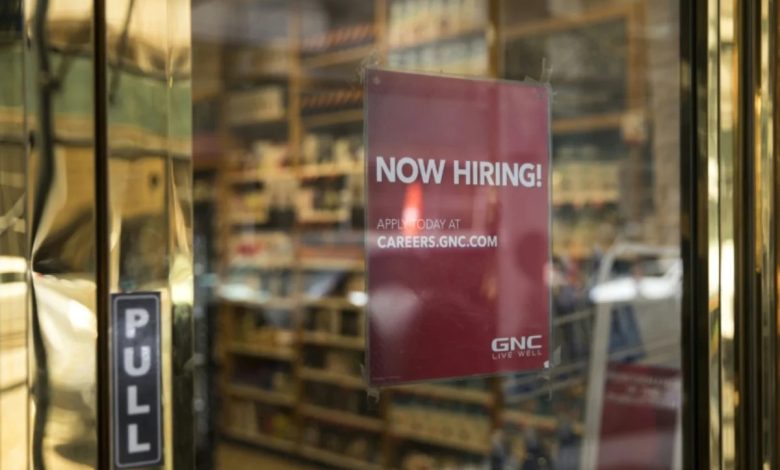
Non-farm payroll data showed that the US economy added 57,000 jobs in June, far below the approximately 110,000 jobs expected by analysts and the 172,000 jobs added in May.
“The stock market liked the data and the dollar hated it because it effectively rules out the chances of a July rate hike from the Fed –- not that this was going to happen anyway with oil prices falling,” said Forex.com analyst Fawad Razaqzada.
The data also showed average hourly earnings rose less than inflation.
“The key takeaway from the report for the market, which likes to see the good in the bad, is that the softer payrolls and pressure on real earnings should temper concerns about an imminent rate hike,” said Briefing.com analyst Patrick O’Hare.
The dollar fell more than one percent against the yen after the data.
Growing expectations of a interest rate hike later this year in the United States have helped drive the yen to 40-year lows in recent days.
Investors see opportunities to borrow at low rates in yen and then invest in higher-yielding dollar assets in what is known as the carry trade.
At his first monetary policy meeting last month new Federal Reserve chief Kevin Warsh emphasised his priority was to bring down inflation, which hiked expectations in the market of an interest rate hike this year.
In comments Wednesday, Warsh said price pressures had “come down” in recent weeks, but reiterated his commitment to return US inflation to the Fed’s two percent target.
But maximum employment is the Fed’s other policy goal, and a degradation in the jobs market could change the central bank’s calculations.
Forex.com’s Razaqzada said the June payrolls data doesn’t rule out a rate hike later this year.
But eToro’s US investment analyst Bret Kenwell said data may “cool the narrative a bit” on rate hikes and “nudge the conversation back toward the Fed’s dual mandate — balancing inflation with employment — rather than forcing policymakers to focus almost exclusively on price pressures.”
Wall Street’s main stock indices moved higher as trading got underway, having been mostly lower in pre-market trading in advance of the jobs data.
The Dow struck a fresh record high, but the S&P 500 and Nasdaq Composite slipped into the red during the morning session, however, as investors worried about massive AI investments that may never turn a profit.