Fake IRS letters direct crypto holders to bogus compliance portal
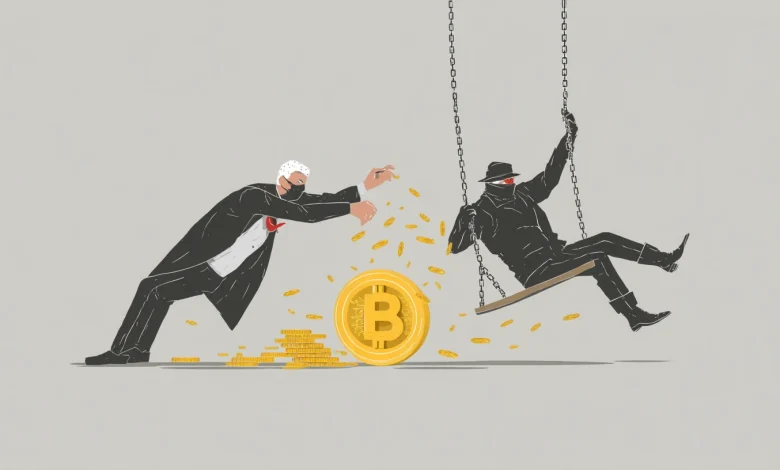
Scammers are sending physical letters to cryptocurrency holders that copy the look of official IRS notices.
The letters tell recipients they must enroll in something called a Digital Asset Compliance Portal before a deadline, or risk penalties.
“If you receive a letter claiming to be from the IRS that instructs you to enroll in a Digital Asset Compliance Portal, don’t respond. The IRS did not send it. The IRS does not operate a Digital Asset Compliance Portal. This is a scam,” IRS wrote.
Coinbase, working with threat intelligence firm DarkTower, published its own breakdown of the scheme after a customer reported receiving one of the letters.
DarkTower traced the site’s infrastructure to a domain registered through a Hong Kong registrar only days before the letters went out, hosted in Romania on infrastructure previously linked to phishing pages impersonating banks and delivery services.
How the letter works
The letter arrives in a plain envelope at a home address, styled with Treasury and IRS branding, a notice number, a tax year range, and a deadline meant to push the recipient into acting before thinking it through. It also includes a QR code.
Scanning it leads to a site that copies the look of a government portal, down to an “official website of the United States government” banner.
From there, the scam unfolds in stages. The visitor is asked to pick which exchange or wallet they use, then to estimate the value of their holdings, then to enter a phone number so a “representative” can call to finish the “verification.”
The fake “Digital Asset Compliance Portal (DACP)” landing page (Source: Coinbase)
“That phone call is the actual attack,” Coinbase noted.
Posing as support staff, they push the victim to hand over a one-time code, a password, or a seed phrase, or to move funds into a “safe” wallet they control.
DarkTower tested the flow using a burner phone number. After clicking continue, the site went dark. No callback came, and no further page loaded. According to Coinbase, that leaves two possibilities open. Either the call is meant to come later, or the phone number and exchange choice are harvested for a future social engineering attempt.
Anyone who already entered information should change their exchange password, check their two-factor setup, and contact the exchange through its own app or site rather than a number supplied in the letter or by a caller. Screenshots, letters, and emails are worth keeping as evidence.
“Criminals continue to exploit public trust in government agencies by creating convincing fake websites and official-looking correspondence,” said IRS Criminal Investigation (IRS-CI) Chief Jarod Koopman.
“Before responding to unexpected requests for personal information, stop, verify the source, and report potential fraud schemes to law enforcement,” Koopman added.