Fitzpatrick, Suozzi Talk ‘Lasting Affordability’ Amid Ideological Split
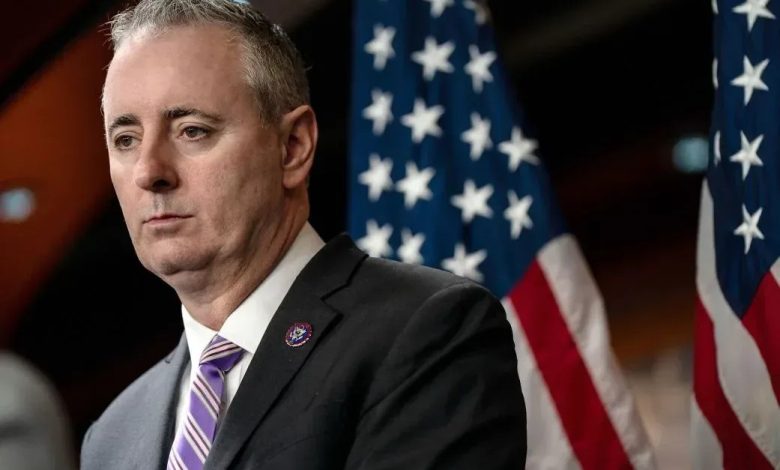
(The Center Square) – Affordability has emerged as a defining issue ahead of the 2026 midterm elections as policymakers confront the combined effects of post-pandemic inflation, higher interest rates, and persistent cost increases across fundamental areas of daily life.
Although they often disagree on the causes and solutions, lawmakers in both parties are showing growing interest in addressing the cost-of-living pressures facing American households.
A discussion hosted by the Cato Institute examined the underlying drivers of rising prices and proposals intended to address them.
“A Framework for Lasting Affordability,” was moderated by Ryan Bourne, Cato’s R. Evan Scharf Chair for the Public Understanding of Economics. It featured U.S. Reps. Brian Fitzpatrick, R-Pa., and Tom Suozzi, D-N.Y., co-chairs of the Problem Solvers Caucus – a bipartisan group of House members that works collaboratively on policy solutions.
The discussion highlighted how the inflation surge since 2021 has lifted consumer prices by 28% and contributed to higher interest rates, increasing the cost of mortgages, car loans, and credit card debt. Panelists traced those pressures across housing, energy, healthcare, childcare, and groceries.
Fitzpatrick said an important factor is whether compound interest is working for someone through investments or against them through debt.
“That dichotomy is really the bifurcation mark, I think, in our economy and our society in terms of how hard it is for people to get ahead,” he said.
Bourne said the Cato Handbook on Affordability and the caucus’s Bipartisan Affordability Agenda agree that persistent federal budget deficits place pressure on household budgets through inflation and higher interest rates. He pointed to two potential legislative approaches endorsed by the caucus.
The Fiscal Commission Act would establish a commission tasked with recommending ways to stabilize the debt-to-GDP ratio and improve the solvency of federal entitlements. The commission itself would have broad authority to develop the recommendations.
The Sustainable Budget Act, Fitzpatrick said, focuses more directly on balancing the government’s annual budget within a decade and would give the president considerable control over the process.
Suozzi said addressing the nation’s fiscal problems will require difficult compromises.
“There’s no magic…it will require a combination of creating more revenue and reducing expenses to solve this problem,” he said.
Suozzi also said policymakers must recognize what he described as the country’s current “K-shaped economy,” in which different groups experience sharply different economic outcomes.
The Dow Jones Industrial Average and gross domestic product, or GDP, have risen dramatically over the past 50 years, and corporate earnings remain strong, he said. However, much of the resulting wealth has been concentrated among a smaller portion of the population. Programs help protect lower-income Americans, he said, but the middle class has increasingly been left behind.
The solutions offered by movements ranging from Make America Great Again or the Democratic Socialists of America often amount to a message that “the whole system’s rigged – let’s tear it down,” Suozzi said. Although those messages have appealed to voters, he and Fitzpatrick agreed the answer is not to dismantle the system but to fix what’s broken.
“The status quo is not working for a lot of Americans,” said Suozzi. “We have to fix this hollowing out of the middle class, and it’s going to require us to do a better job articulating solutions.”
Bourne cautioned against what he described as false solutions.
“Both parties have had senior people advocate various forms of price control, which we know as economists tend to have very deleterious effects on economic activity,” he said.
Many new subsidies, he added, merely transfer costs from one group to another rather than addressing the underlying problems.
Tax reform would likely be one of the most difficult areas for lawmakers to reach an agreement on, Bourne said. He sees better odds for permitting reform in the energy sector.
Both fossil fuel developers and clean-energy advocates now depend on faster approvals to meet surging demand, particularly from data centers. As a result, streamlining the permitting process has become a bipartisan priority within the broader push to improve affordability.
Housing is one area where lawmakers have already found common ground, Bourne said, citing the recent passage of the 21st Century Road to Housing Act. The measure focuses on simplifying or changing regulations that can delay the construction of new homes.
The discussion then shifted to another constraint the panelists said contributes to higher costs: chronic labor shortages in agriculture, construction, healthcare, and childcare.
The caucus has endorsed the Dignity Act, which combines border and asylum provisions with legal status for certain long-term residents and mandatory E-Verify. Supporters view it as an incremental step toward better aligning the nation’s labor supply with economic demand.
Fitzpatrick said one of the country’s greatest advantages in the global competition for power is that everybody wants to come here.
“Nobody’s busting the doors down to move to China or Russia,” he said. “We have a potentially endless, limitless labor supply, which is not only huge in terms of the affordability issue – it’s important from a national security standpoint, because it will strengthen our economy.”
Bourne challenged claims from contemporary Republicans that increased immigration suppresses wages. He cited research indicating that immigrants are also consumers and often complement, rather than replace, U.S. workers while contributing to productivity, entrepreneurship and innovation.
Across the panel, success on affordability was defined as restoring a basic promise that full-time work can reliably cover core middle-class needs, including housing, healthcare, education, and secure retirement.
Bourne argued that the most durable way to achieve that goal is to reduce the underlying cost of living across major sectors rather than rely solely on wage mandates or subsidies.
“To be a success is when left-wing progressives and right-wing conservatives all agree that in return for working hard, you make enough money so you can afford to buy a house, educate your kids, pay for health insurance, and retire without being scared,” said Suozzi.
Credit: Source link