Global gold rush fuels market anxiety as analysts warn of possible bubble burst
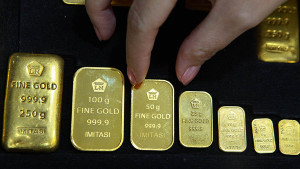
Gold prices continue to shatter records, rising on the back of geopolitical volatility, fears of global recession and massive central bank purchases, yet analysts caution that the surge hailed by some as a safe haven rally could quickly unravel if economic sentiment shifts.
The precious metal hit a new all-time high of US$4,300 per troy ounce on October 16, 2025, capping a 57.88 percent increase year-on-year as of late November. The rally has drawn both seasoned investors and nervous institutions seeking shelter from global uncertainty.
However, despite the bullish momentum, concerns over a possible gold bubble are escalating.
“There is still room for gold to rise, but margins next year may not be as large,” Analyst at ANZ, Soni Kumari, said as quoted by Kompas.id on Tuesday, December 9, 2025.
She noted that the upcoming meeting of the U.S. Federal Open Market Committee (FOMC) could result in a 25-basis point rate cut, a move that would likely push gold prices even higher.
The surge in demand is being driven not only by private investors, but also by central banks across continents. Worried that traditional reserve currencies such as the US dollar, the British pound, the Swiss franc, and the euro no longer offer sufficient protection, governments have shifted aggressively into gold.
Poland emerged as the world’s top buyer in October, adding 16 tons to its reserves, which now stand at 531 tons, or 26 percent of its total foreign reserves. Indonesia added 4 tons, still modest compared to Brazil’s 16 tons and Uzbekistan’s 9 tons.
According to the World Gold Council, most central banks expect their gold reserves to double within a year, reflecting a rapid shift in global reserve management strategies.
Despite the enthusiasm, prominent voices are urging caution. Cathie Wood, founder of Ark Invest and one of the earliest investors in bitcoin and Tesla, warned that gold’s rally could reverse sharply once inflation fears ease.
“When inflation worries go down, gold prices followand the U.S. dollar strengthens,” Wood told The Street on October 15, 2025.
She argued that real economic growth depends on productivity, not central banks’ rate policies.
Wood cited the 1980s as an example: gold reached a historic peak before plunging 67 percent within five years as pro-growth policies under President Ronald Reagan reignited investor confidence in equities and bonds.
She expects a similar scenario ahead, projecting a stronger US dollar within the next three to five years and even predicting that bitcoin could surpass gold in value performance.
Four forces
Analysts believe that the gold market’s future hinges on four major drivers:
1. Global economy and geopolitical uncertainty
Eddy Junarsin, economist at Gadjah Mada University, says the 2025 rally is rooted in worsening geopolitical tensions from conflicts in the Middle East to the prolonged war in Ukraine and slowing global growth.
“When uncertainty rises, investors flock to safe-haven assets like gold. The trend will likely continue and compete directly with cryptocurrencies,” Junarsin told Kompas.com on Tuesday.
Protectionist policies and tariff disputes have also added pressure, intensifying the need for financial hedges.
2. The Fed’s expected rate cuts
Gold historically moves inversely to US interest rates. Recent dovish signals from Federal Reserve officials have strengthened market expectations of another rate cut in December.
Stephen Miran, a Federal Reserve governor, said weakening labor market indicators justify continued rate reductions.
“Geopolitical turbulence and dovish Fed expectations continue to support short-term gold prices,” Ricardo Evangelista of ActivTrades said.
3. Weakening US Dollar
The dollar index has fallen more than 8 percent since early 2025, sliding below 100, according to data cited by Kompas.id.
Commodities analyst Ibrahim Assuaibi says prolonged dollar weakness would push gold even higher.
“The world is returning to gold as a shield. When equities fall, gold becomes the defense,” he said.
4. Record-high Central Bank buying
Demand from central banks remains one of the strongest drivers of gold’s upward trajectory. A World Gold Council survey revealed that 76 percent of central banks plan to increase gold holdings in the next five years. In the last three years alone, they have accumulated over 1,000 tons double the previous decade’s average.
“Diversification needs, crisis resilience, and inflation hedging are pushing central banks to buy more gold,” the report stated.
Will the gold rally continue into 2026?
A Reuters poll published in late October found that 39 analysts expect gold prices to average US$3,400 per ounce in 2025 and rise to US$4,275 in 2026 slightly below the current record.
Despite the optimistic projections, the sustainability of the rally depends heavily on how global risks evolve. With central banks still stocking up and geopolitical tensions showing few signs of easing, gold’s appeal as a refuge appears intact.
But if inflation cools and productivity rises as Cathie Wood predicts the tide could turn. For now, the world remains firmly in a gold-buying frenzy, watching closely for any sign that the glittering boom might lose its shine.