Global stocks perk up and oil cools as US and Iran halt hostilities
European stocks and US futures ticked higher on Monday after the US and Iran agreed to halt recent hostilities and renew talks, helping oil prices fall after spiking earlier on Monday in the wake of renewed attacks between the two sides.
A return to diplomacy would follow several days of tit-for-tat strikes since an Iranian projectile hit a cargo vessel in the Strait of Hormuz last week, with both sides accusing each other of breaking an interim ceasefire.
Europe’s STOXX 600 index rose 0.1% in morning trading while futures for the US S&P 500 EScv1 climbed 0.7%.
Oil initially climbed on Monday after the US and Iran traded strikes over the weekend, but then cooled to trade at around its lowest since the conflict began.
Brent crude LCOc1 was last little changed at US$72.20 a barrel, down 22% for the month.
“The market can take some relief in the lower oil prices and its impact on the global economy,” said Mohit Kumar, chief European economist at Jefferies.
“Lower oil prices should lead to a diversification trade and growth-sensitive sectors which have suffered in the last few months should outperform.”
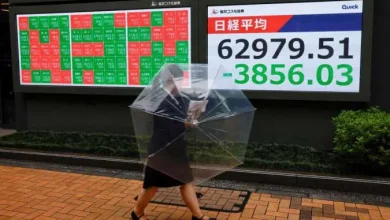
Asian markets pared earlier losses, with South Korea’s KOSPI down 0.2% and Japan’s Nikkei up 0.15%.
Easing oil prices should help reduce some price pressures but measures of inflation have nonetheless jumped in the US and elsewhere, putting pressure on the Federal Reserve to hike rates.
Rising odds of a rate hike have lifted the dollar. The dollar index, which measures the US currency against peers, was at 101.25, just below the one-year high it touched last week.
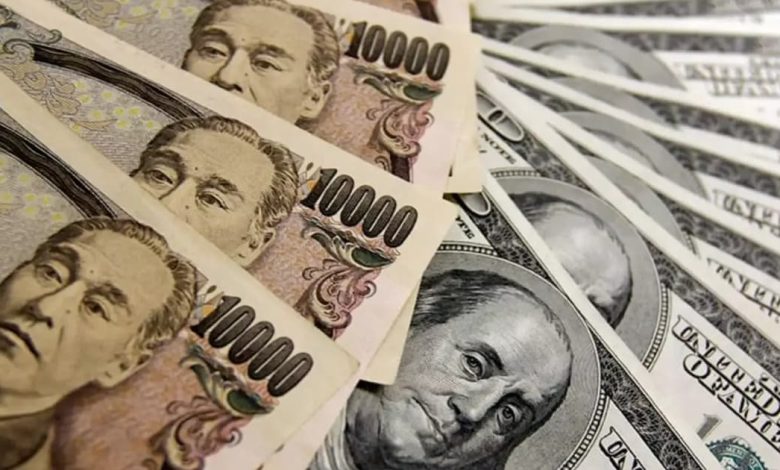
The Japanese yen fell slightly to 161.80 per US dollar as fears of another bout of intervention from Tokyo kept the fragile currency from breaking through its lowest in 40 years.
Investors are pricing in at least one Fed hike this year, a sharp reversal from expectations of two rate cuts before the conflict began.
BofA strategists anticipate three hikes, a more hawkish view that in part reflects strong US jobs growth.
The rising dollar has weighed on gold, which was down 0.6% at US$4,061 per ounce. The yellow metal is set for a 13% decline in the second quarter, its biggest quarterly drop since 2013.
Investors have also been battling concerns that valuations for AI-related firms have become stretched following years of gains.
Futures for the tech-heavy Nasdaq NQcv1 rose 1% on Monday, putting the US index on track for a rebound after it slumped more than 4% last week.
The Bank for International Settlements has cautioned over the durability of the current AI investment surge, noting supply bottlenecks and intense competition could spur the kind of over investment seen in previous boom-and-bust cycles.
Jose Torres, senior economist at Interactive Brokers, said the rising costs tied to modern infrastructure have firms scrambling for cash on their balance sheets and adding to risks if those investments fail to deliver.
“For this reason, traders have gravitated toward the defensive and cyclically oriented areas of the equity space in recent weeks,” Torres said.