Global Stocks Rally Cautiously as Iran Talks, Oil Shock and Inflation Risks Reshape Market Outlook
Global financial markets moved higher as investors reacted cautiously to signs of progress in negotiations aimed at ending the U.S.-Israeli war with Iran. Optimism surrounding possible diplomacy lifted equities across Europe, Asia and Wall Street futures, while the U.S. dollar remained near six-week highs amid persistent geopolitical uncertainty.
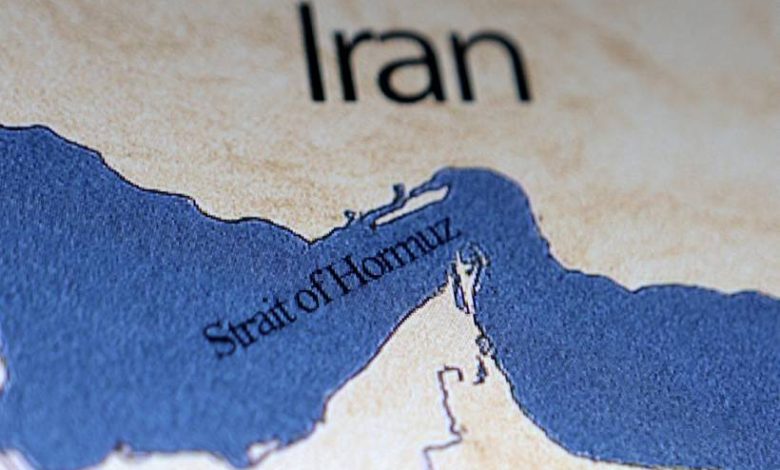
However, the broader market mood remains fragile. The central issue continues to be the Strait of Hormuz, the strategic maritime corridor responsible for a significant share of global energy shipments. Concerns over disruptions to oil flows have driven crude prices sharply higher and reignited fears of global inflation just as major central banks were expected to begin easing monetary policy.
The result is a market environment dominated by conflicting forces: optimism over diplomacy versus fears of prolonged energy disruption and renewed inflation.
Markets Are Trading on Hope, Not Resolution
The current market rally reflects relief that negotiations have not collapsed rather than confidence that a durable settlement is imminent.
Investors are behaving as though diplomacy may eventually prevent a worst-case scenario, but the underlying risks remain unresolved. The continued disagreement over Iran’s uranium stockpile and control of the Strait of Hormuz means markets are still highly vulnerable to sudden reversals.
This explains why:
- Stocks are rising cautiously,
- Oil prices remain elevated,
- Treasury yields are climbing,
- And the dollar continues strengthening.
Markets are effectively pricing in temporary optimism while simultaneously hedging against escalation.
That combination reveals deep uncertainty beneath the surface stability.
Oil Has Become the Central Driver of Global Markets Again
The Iran conflict has restored oil to the center of global macroeconomic thinking after years in which technology and interest rates dominated investor attention.
Energy prices are now influencing:
- Inflation expectations,
- Central bank policy,
- Currency markets,
- Bond yields,
- And equity valuations simultaneously.
The near-disruption of the Strait of Hormuz matters because it threatens physical supply rather than merely financial sentiment. Unlike previous geopolitical scares, this conflict directly affects one of the world’s most important energy chokepoints.
That is why even relatively positive diplomatic headlines have failed to bring oil prices decisively lower.
Markets increasingly fear that even if a ceasefire emerges, global energy supply chains may remain unstable for months.
The Federal Reserve’s Entire Outlook Has Changed
Before the war, markets largely expected the U.S. Federal Reserve to cut interest rates this year as inflation cooled.
Now the situation has reversed dramatically.
Rising oil prices are feeding fears of a second inflation wave, forcing investors to reconsider whether the Fed may instead need to raise rates again. Markets pricing in a greater-than-50% probability of another hike signals a major shift in investor psychology.
This is critically important because:
- Higher energy prices raise transportation and production costs,
- That feeds into consumer inflation,
- Which then delays monetary easing,
- Increasing borrowing costs globally.
The Fed is now trapped between two competing risks:
- Tightening policy further and damaging growth,
- Or allowing inflation expectations to become entrenched again.
That dilemma is becoming the defining market theme of the second half of the year.
The Dollar Is Benefiting From Fear and Higher Yields
The U.S. dollar’s strength reflects both safe-haven demand and rising Treasury yields.
In periods of geopolitical instability, investors traditionally move toward dollar-denominated assets because of the currency’s reserve status and the depth of U.S. financial markets.
At the same time, expectations of higher U.S. interest rates make dollar assets more attractive relative to Europe and Asia.
This creates pressure on:
- Emerging-market currencies,
- Energy-importing economies,
- And heavily indebted countries dependent on cheaper global financing.
The stronger dollar also risks exporting inflation globally because commodities such as oil are largely priced in dollars.
Japan’s Position Highlights Global Central Bank Stress
Japan’s situation illustrates how difficult monetary policymaking has become worldwide.
The yen remains dangerously weak despite massive intervention by Tokyo, largely because interest rate differentials between Japan and the United States remain wide. At the same time, slowing Japanese inflation complicates the Bank of Japan’s ability to aggressively tighten policy.
This tension is now appearing across many economies:
- Inflation risks are rising again,
- But growth remains fragile,
- Leaving central banks with limited room to maneuver.
The era of synchronized global easing that markets expected earlier in the year is increasingly breaking down.
AI Optimism Is Offsetting Geopolitical Fear
One striking feature of current markets is the continued resilience of technology and AI-related stocks despite geopolitical turmoil.
The rally in Japanese equities and continued strength in U.S. markets suggest investors still believe artificial intelligence investment will drive long-term earnings growth strong enough to offset macroeconomic risks.
This reflects a broader market belief that:
- AI-driven productivity gains,
- Massive capital expenditure,
- And corporate earnings momentum
can sustain equity markets even during geopolitical instability.
However, that optimism depends heavily on inflation remaining manageable. If energy prices continue climbing, valuations in technology sectors could come under greater pressure from higher interest rates.
Analysis
Financial markets are entering a far more dangerous phase where geopolitics, inflation and monetary policy are becoming tightly interconnected again.
For much of the post-pandemic recovery, investors believed inflation was gradually coming under control and that central banks would soon pivot toward rate cuts. The Iran conflict has disrupted that narrative by reintroducing energy insecurity into the global economy.
The most important shift is psychological.
Markets no longer fear only recession; they now fear stagflation-like conditions where inflation stays elevated while growth weakens. That is the worst-case scenario for policymakers because it limits the effectiveness of both monetary and fiscal tools.
The cautious rise in stocks should not be mistaken for confidence. Instead, markets appear to be betting that diplomacy will prevent catastrophe while still preparing for prolonged instability.
The coming weeks will likely determine whether:
- Oil prices stabilize,
- Central banks regain control of inflation expectations,
- And markets return to a growth-driven narrative,
or whether the global economy enters another prolonged inflationary shock similar to the aftermath of the Ukraine war.
At the center of all of this remains one geopolitical reality: the Strait of Hormuz is no longer just a regional flashpoint it has become one of the most important determinants of global economic stability.
With information from Reuters.