Gold, bitcoin, SpaceX and the dangers of market chameleons
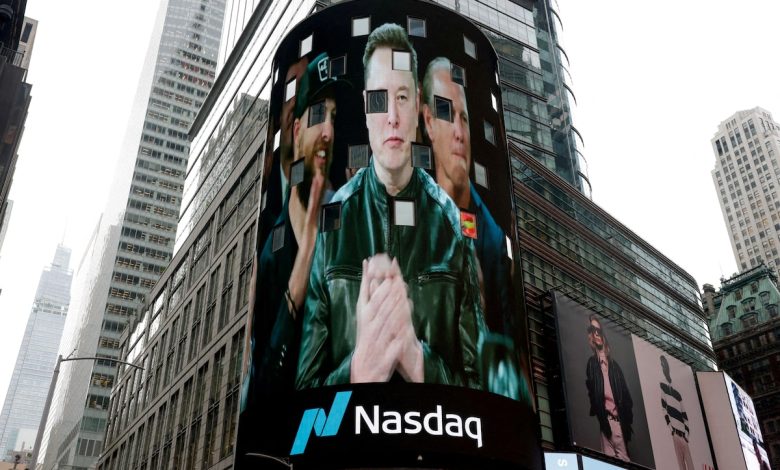
A live feed shows SpaceX CEO Elon Musk on the day of SpaceX’s initial public offering at the Nasdaq MarketSite, in New York City, on June 12.Jeenah Moon/Reuters
What do gold, bitcoin and Elon Musk have in common? They’re all chameleons.
Merriam-Webster describes chameleon as, “A person who often changes their beliefs or behaviour in order to please others or to succeed.” In the investment context, a chameleon is something or someone who can easily shift their story to fit the theme of the day. They offer something to investors one day and something else the next, without missing a beat. Here are some of them.
Gold
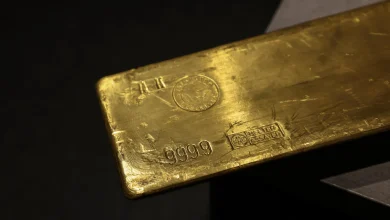
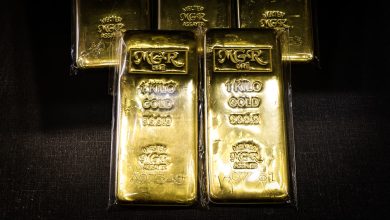
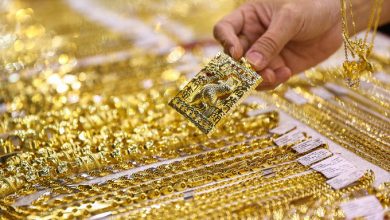
The shiny metal is a longstanding chameleon. Depending on the economic and market landscape, gold can be an inflation hedge, reserve currency, insurance against a financial crisis, or hedge against a weak U.S. dollar. It’s an investment for all seasons.
The variety of narratives around gold gives enthusiasts all the reasons they need. For them, gold is always a buy, whether it’s trading at US$2,000 or $5,000.
Materials sector leads TSX higher as U.S. jobs data cools Fed hike fears
For occasional gold investors who use it for diversification, or simply to ride an uptrend, there’s always a rationale. Regarding the latter, I like how Joe Wiggins put it in a post about gold in his Behavioural Investment blog: “Price moves come first and then the narratives to justify it second.”
Bitcoin
Gold doesn’t have anything on digital gold. Bitcoin, which carries this label, comes with the same list of potential reasons to own it, but there are many more.
Early in its history, owning bitcoin was anti-establishment. Decentralized finance was the way to break free from the tyranny of established financial institutions. This applies less today, as cryptocurrencies become more mainstream and reliant on traditional institutional buyers, but people still tell me that it’s the future of finance.
There’s also the scarcity factor. A maximum number of 21 million coins can be created.
Opinion: From nothing bitcoin came, and to nothing it will return
Enterprise Elon
Elon Musk is one of the greatest engineers of our time. He’s built amazing businesses and in doing so, has shaken mature, established industries to their core. His ability to get things done is unparalleled, going from zero to producing two million cars a year, and from brainstorming with a group of rocket scientists to building the leading space transportation and satellite communications business.
But to get his two public companies, Tesla TSLA-Q and SpaceX SPCX-Q, up to a capitalization of US$3.4-trillion, he’s needed more juice. The companies have relatively short track records and don’t generate enormous profits like other trillion-dollar companies such as Nvidia, Apple and Microsoft.
The booster juice is the credibility, trust, and in some cases, idolization, that comes from Musk’s record of innovation and wealth creation. It has allowed him to open one additional factory, a narrative factory, from which flows a world of possibilities, each more mindboggling than the last. The pitch to investors for the public offering of SpaceX was nothing short of science fiction.
Howard Marks, co-founder of Oaktree Capital Management, captures the power of Musk’s prophecies in a memo discussing AI: “… history can impose limits on awe regarding the present and imagination regarding the future. In the absence of history, on the other hand, all things seem possible.”
Unlike most other investments, gold and bitcoin don’t produce cash flow that can be valued, and neither will Enterprise Elon for the foreseeable future. Therefore, their prices don’t move around on dividend increases or changes to earnings forecasts, but rather investor mood swings. They’re driven by investors’ willingness to take risks and seek excitement.
As a result, they fit well into the momentum-obsessed market that we’re currently experiencing. When they’re on a roll, valuation metrics don’t get in the way. The sky, or should I say universe, is the limit.
Opinion: SpaceX is set to make Elon Musk the first trillionaire. Is that a bad look for capitalism?
Like other investments, however, investors need to be clear on why they hold gold, bitcoin, and even SpaceX and Tesla. Are they hedging against the excesses of the financial system or trying to capture the market for personal robots, interplanetary data centres, and driverless taxis?
Articulating the reasons for ownership allows the right questions to be asked. How is it doing against the objective? Are the reasons for owning it still in place? The answers to these questions are particularly important when prices are going in the wrong direction.
Chameleons can be successful investments. Investors just need to make sure they’re the ones controlling the narrative.
Tom Bradley is a portfolio manager with Purpose Investments, co-founder of Steadyhand Investment Management, a member of the Investment Hall of Fame and a champion of timeless investment principles.