Gold Market Trends 2026: Navigating Short-Term Uncertainty and Long-Term Investment Value
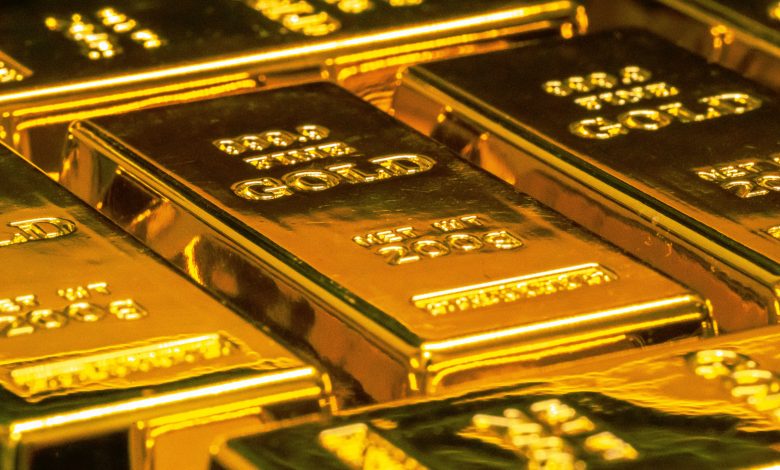
The gold market remains one of the most resilient and closely followed sectors in the global financial landscape. In 2026, investors remain focused on gold as both a protective asset and a long-term store of value. Its performance reflects a combination of economic signals, market sentiment, and global financial conditions. While short-term volatility often captures attention, the broader outlook for gold remains grounded in its historical role as a stabilizing force during uncertain times. This dual nature makes gold a unique asset that appeals to both active traders and long-term investors seeking security.
Short-term movements in gold prices are often shaped by immediate economic factors such as interest rate expectations and inflation data. When interest rates are expected to decline or remain stable, gold tends to become more attractive because it does not rely on yield generation. Investors often shift toward gold in these environments, viewing it as a safer alternative to interest-sensitive assets. Currency fluctuations also play a significant role in short-term pricing. When the currency weakens, gold demand typically rises because it becomes more accessible to international buyers. On the other hand, a stronger currency can temporarily limit demand and create downward pressure on prices.
Geopolitical events further contribute to gold’s short-term volatility. Political instability, trade tensions, and global conflicts often lead to increased demand for safe-haven assets. In such situations, gold benefits from heightened investor caution, which can lead to rapid price increases. Financial market instability can produce similar effects, as investors move away from riskier assets and seek stability. These short-term dynamics create opportunities for traders, but they also introduce uncertainty that requires careful monitoring and timely decision-making.
Despite these fluctuations, the long-term outlook for gold remains supported by strong structural factors. One of the most important drivers is central bank demand. Many nations continue to hold gold as part of their financial reserves, reinforcing its importance as a stable asset. This consistent demand provides a foundation that helps support prices over time. Inflation is another key factor that strengthens gold’s long-term appeal. As the cost of living rises, gold has historically maintained its purchasing power, making it a reliable hedge against currency depreciation.
In addition to institutional demand, rising global wealth contributes to increased interest in gold. As economies grow and incomes rise, demand for gold in various forms continues to expand. This includes both investment-related purchases and traditional uses, which together create a steady demand base. These long-term trends suggest that gold’s value is not solely dependent on short-term market conditions but is also driven by deeper economic and cultural factors that evolve.
Gold also plays a crucial role in portfolio diversification. Unlike many other assets, it often moves independently of stocks and bonds. This characteristic helps reduce overall portfolio risk, especially during periods of market volatility. Investors who include gold in their portfolios often benefit from greater stability, as it can offset losses in other asset classes. This balancing effect makes gold an essential component of long-term investment strategies focused on risk management and capital preservation.
However, gold is not without its challenges. Rising interest rates can reduce its appeal, as investors may prefer income-generating assets. When returns on bonds and other financial instruments rise, the opportunity cost of holding gold becomes more apparent. This can lead to reduced demand and slower price growth. Market sentiment also plays a role, as shifts in investor confidence can lead to rapid changes in demand. Technological advancements and the emergence of alternative investment options may further influence how capital is distributed across markets.
Supply factors add another layer of complexity to the gold market. Mining production, extraction costs, and recycling rates all affect the availability of gold. While these changes tend to occur gradually, they still affect long-term pricing trends. Environmental considerations and regulatory changes can also influence production levels, adding to the evolving nature of supply dynamics. Investors who understand these factors are better positioned to assess potential risks and opportunities within the gold market.
Looking ahead, the gold market is expected to remain shaped by a balance between short-term uncertainty and long-term stability. Economic cycles, inflation trends, and monetary policy decisions will continue to influence price movements. At the same time, the underlying demand for gold is likely to remain strong, supported by both institutional and individual investors. This combination of factors ensures that gold will continue to play a significant role in global financial strategies.
For investors, the key to navigating the gold market lies in maintaining a balanced perspective. While short-term price movements can present opportunities, focusing solely on immediate fluctuations may lead to unnecessary risk. A long-term approach that considers broader economic trends often provides more consistent results. By understanding both the short-term drivers and long-term fundamentals, investors can make informed decisions that align with their financial goals.
Gold remains a vital asset in the modern investment landscape. Its ability to respond to short-term economic changes while maintaining long-term value makes it uniquely positioned among financial assets. As global markets continue to evolve, gold’s role as a hedge against uncertainty and a diversification tool is expected to remain strong. Investors who recognize its dual nature are better equipped to navigate market fluctuations and build resilient investment strategies that stand the test of time.