Historic highs for gold, silver, and copper; growing divergence between stocks and bonds; ‘structural differentiation’ in the U.S. stock market…….
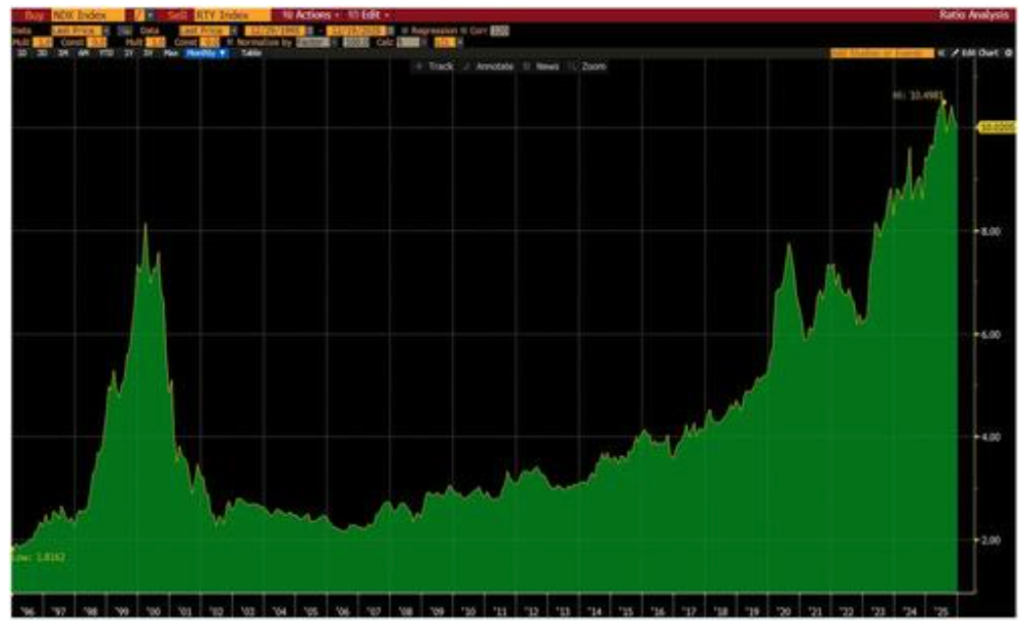
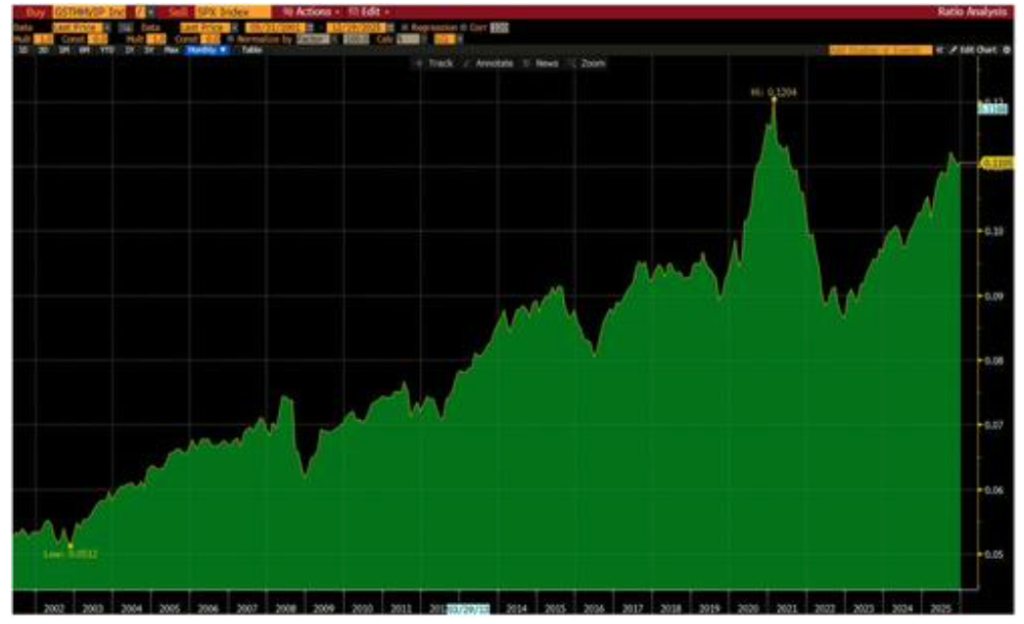
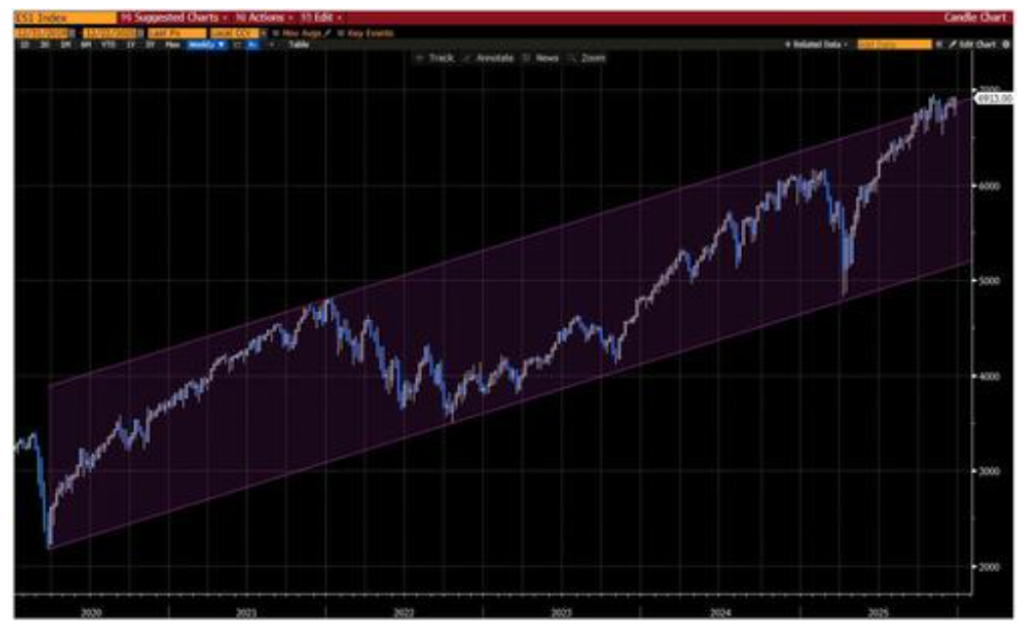
Goldman Sachs trader Pasquariello noted in his year-end review that the 2025 market exhibited three key characteristics: first, an epic bull market in precious metals, with gold and silver delivering their best performance since 1979; second, a rare divergence between the equity and bond markets, as equities priced in accelerating economic growth while bonds remained cautious, leading to conflicting signals reaching recent highs; third, continued internal divergence within the U.S. stock market, with technology stocks strengthening their advantage over small-cap stocks, as the market advanced amid low volatility and high dispersion. Overall, the market moved into 2026 amid structural contradictions and new highs in asset prices.
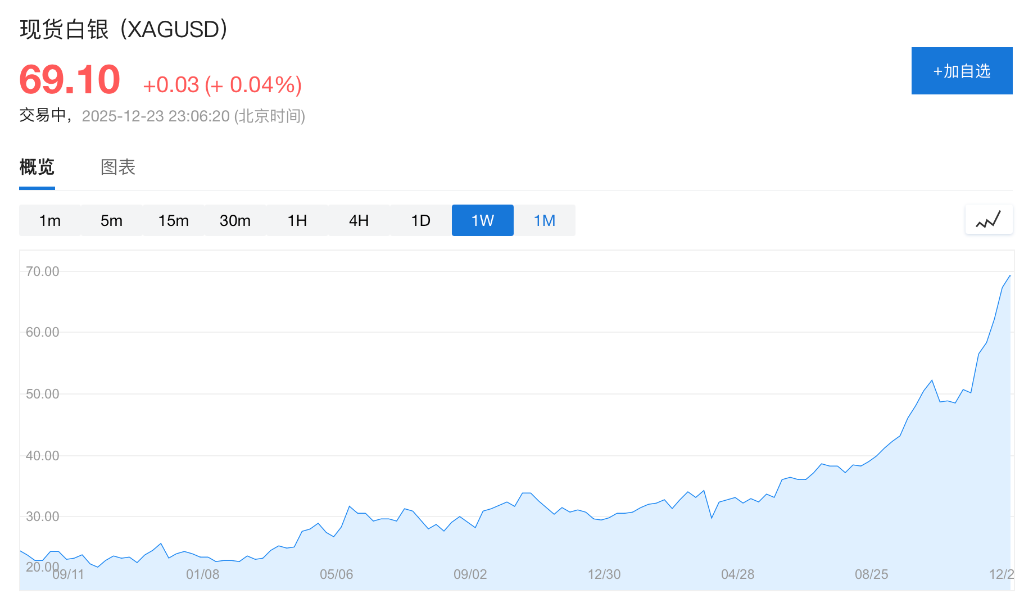
Tony Pasquariello, a senior trader at Goldman Sachs, noted in his year-end review that the global commodities market performed exceptionally strongly in 2025. Gold prices rose 68% for the year, while silver prices surged 139%, both recording their best annual performance since 1979. Copper prices also hit new all-time highs.
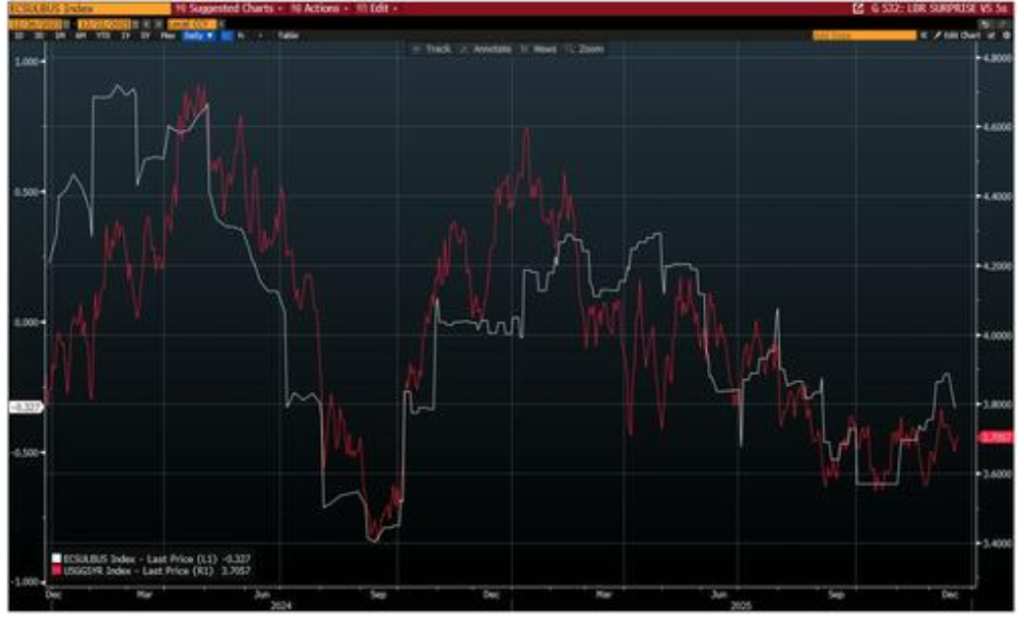
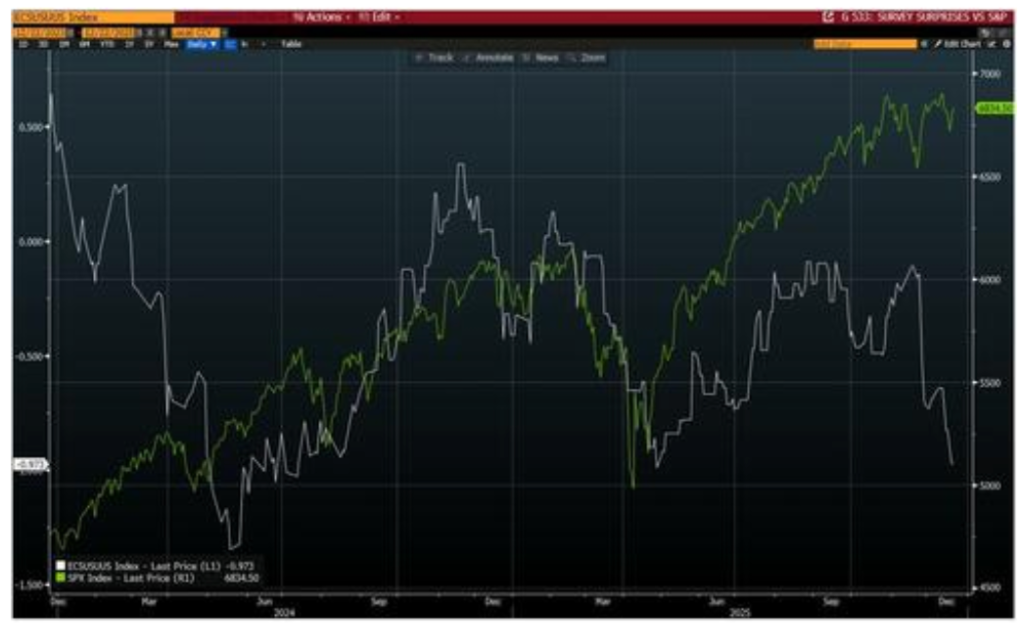
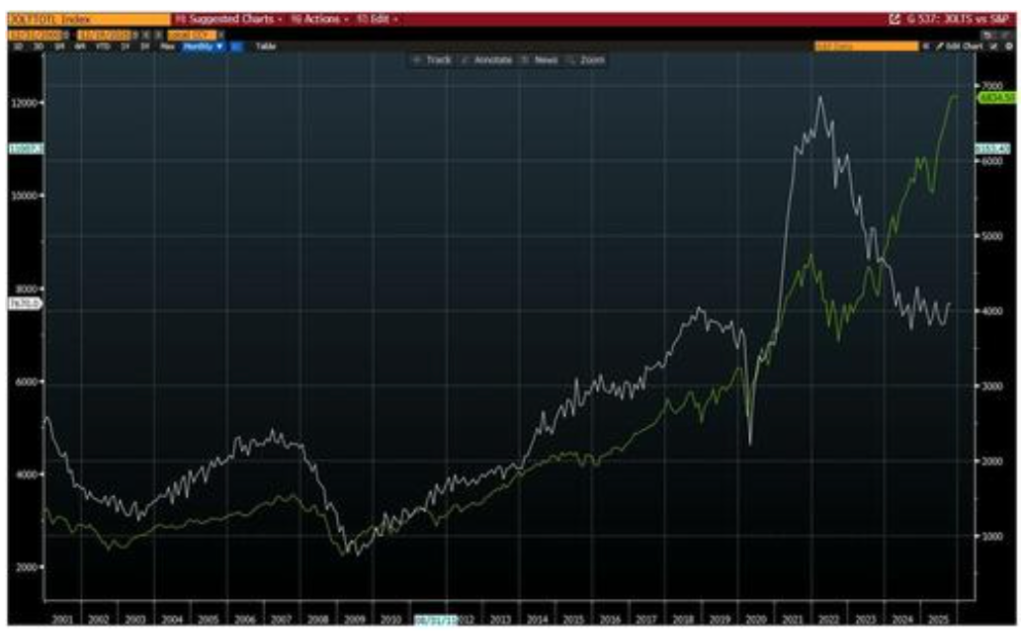
At the same time, the U.S. stock market demonstrated clear structural divergence. Pasquariello emphasized that the current pricing of the equity market implies expectations of an acceleration in the economic cycle, though this has yet to be broadly validated by macroeconomic data. In stark contrast, the narrative reflected by the bond market remains more cautious, with the divergence between the two major markets reaching rare levels in recent years.
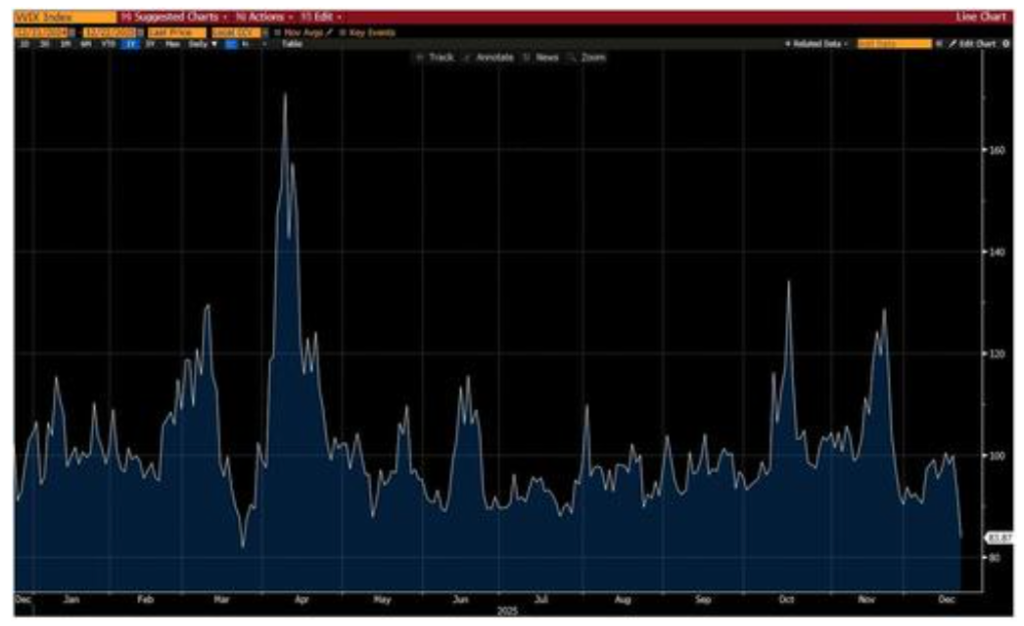
He pointed out that the six-month realized correlation within the U.S. stock market has continued to decline, indicating a high level of dispersion. This characteristic of low correlation and high dispersion is expected to persist into the next phase.
Scott Rubner from Citadel added that the market enters 2026 with a solid macro foundation. Record household wealth, expanding equity ownership, and ample cash balances collectively provide structural support to the market, enabling retail investor participation to remain at higher levels.
Precious metals enter a historic bull market
The year 2025 is undoubtedly a milestone for both precious and industrial metals markets. Gold prices soared 68% throughout the year, marking the best annual performance since 1979. Tony Pasquariello of Goldman Sachs analyzed that multiple narratives may underlie this rally: it could reflect pricing of a globally fiscally-driven landscape, growing concerns about the fiat currency system, or simply unprecedented strength in central bank demand.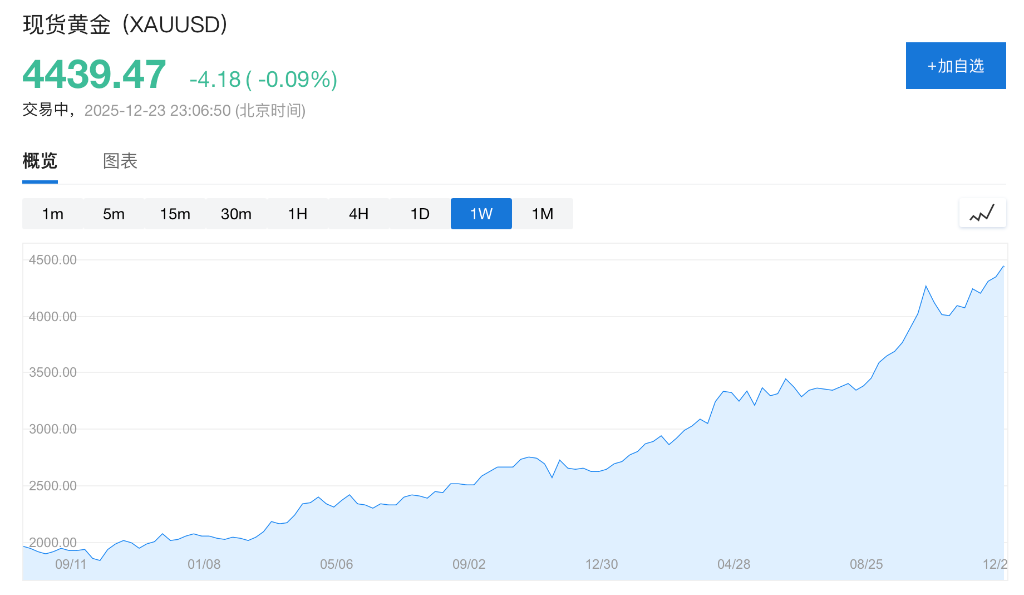 Silver’s performance was even more remarkable, surging 139% for the year and recording its largest increase since 1979. Looking back historically, silver had once risen fivefold in 1979, and this year’s trend undoubtedly approaches that iconic level again.
Meanwhile, copper prices decisively broke through historical highs, driving significant gains in related equities. The collective strength of gold, silver, and copper clearly indicates a structural increase in investors’ allocation demand for physical assets amid the current macro landscape.
Equity-bond divergence reveals underlying market contradictions
The structural characteristics of the U.S. stock market continue to strengthen.