How global stock markets defied the Hormuz crisis
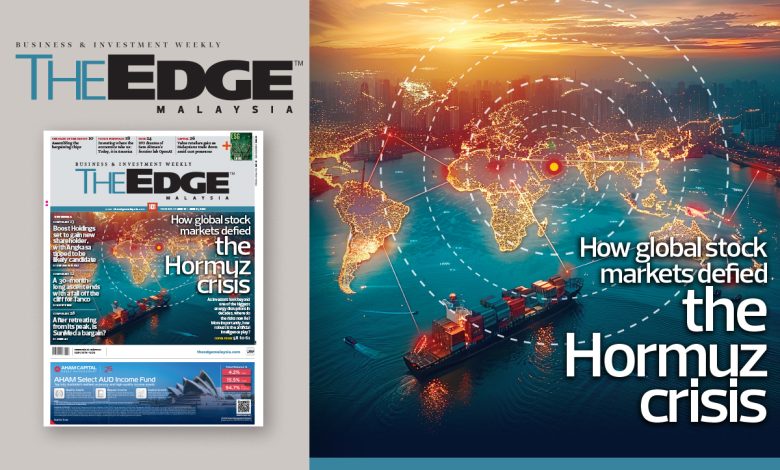
KUALA LUMPUR (June 13): When Iran blocked the Strait of Hormuz on Feb 28, investors feared the world was heading for another major energy crisis.
The strategic waterway carries roughly a fifth of global oil trade and a significant share of global fertiliser shipments. Yet instead of triggering a prolonged market downturn, the crisis produced one of the year’s biggest surprises: a powerful rally in global equities that pushed several major stock markets to record highs.
As fears over oil shortages and inflation gradually receded, investors turned their attention to a different theme — artificial intelligence (AI). Semiconductor stocks surged, technology companies added trillions of dollars in market value and a wave of capital flowed into everything from AI chipmakers to data-centre infrastructure providers.
The enthusiasm was not limited to Wall Street. From Taiwan and South Korea to Japan and Malaysia, investors piled into AI-linked counters, creating a new generation of market winners despite elevated oil prices and lingering geopolitical uncertainty.
But with oil prices still elevated, bond yields climbing and valuations stretched, investors are beginning to question whether the AI trade can continue defying the traditional market playbook.
How did global markets shrug off one of the biggest energy disruptions in decades? Which sectors emerged as the biggest winners — and where are the risks now?
We also look at how the present geopolitical conflict in the Middle East has impacted the economy. The blocked strategic waterway caused supply crunch concerns which led to surging crude oil prices.
As crude oil prices climbed, so had the subsidy bill for countries like Malaysia, which provides significantly subsidised fuel for its citizens — leading to worries about the country’s fiscal position.
Furthermore, rising crude oil prices mean that transportation costs have climbed, as have petrochemicals. This suggests that it is only a matter of time before consumers feel the heat from higher prices. April inflation numbers have provided a hint of what could lie ahead for consumers, as inflation grew the fastest in 18 months to 1.9% year-on-year.
To find out more, grab a copy of The Edge Malaysia weekly today.
Save by subscribing to us for
your print and/or
digital copy.