Iran protests are not about politics anymore, they are about an economy that doesn’t work
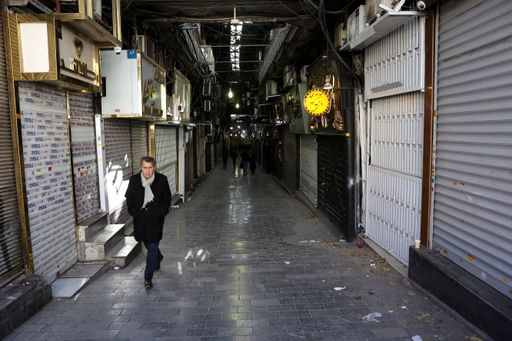
At the same time, the state maintains significant ability to manage unrest in the short term. Control over policing, the judiciary, and information flows enables authorities to contain protests when needed.
However, containment is not the same as addressing underlying issues. Measures that suppress public expression cannot stabilise the currency, restore purchasing power, or rebuild confidence in everyday economic life.
This narrowing gap leaves fewer options. If economic instability persists, protests are likely to reappear — not as a single nationwide movement, but as recurring, sector-specific disruptions.
Each might be manageable individually. But together, they raise the costs of governance.
Foreign factors
When domestic pressure increases, states often try to redirect frustration outward by highlighting external threats and blaming foreign actors. In Iran’s case, this pattern is significant because economic relief is closely tied to external factors.
External pressure has greatly tightened Iran’s economic limitations.
In late September, the European Union reimposed broad economic and financial sanctions following the reactivation of United Nations Security Council measures related to Iran’s nuclear program.
These actions reinstated restrictions on oil exports, froze assets held by the Iranian central bank and major commercial banks, and further limited access to European financial and trade networks.
Simultaneously, the United States has continued to enforce extensive sanctions targeting Iran’s energy, financial, shipping, and industrial sectors, while discouraging third-party trade through secondary measures.
Together, these overlapping restrictions have reduced foreign-currency inflows, constrained trade and investment, and reduced Iran’s access to international banking channels.
For an economy already weakened by prolonged inflation and stagnation, this cumulative pressure has sharply limited room for adjustment and increased burdens on households and small businesses in Iran.
Related
This framing is already visible in official discourse. Iran’s leadership increasingly presents economic hardship as part of a broader external confrontation, rather than as the result of domestic policy failure.
By describing sanctions, inflation, and declining living standards as elements of an imposed “war,” responsibility is shifted outward, and economic distress is recast as a matter of national resistance rather than governance.
Under these conditions, the leadership faces a strategic dilemma.
One option is external engagement, particularly with the United States, aimed at easing sanctions and reopening economic channels.
Meaningful economic stabilisation depends on access to oil revenues, financial systems, and trade flows, all of which remain constrained under the current sanctions regime.
Without some form of negotiation or de-escalation, internal management alone is unlikely to reverse current trends.
The Iranian authorities are handling the current protests cautiously. Instead of relying only on force, officials have used a softer public tone to prevent protests from spreading.
President Masoud Pezeshkian has publicly recognised protesters’ “legitimate demands” and promised measures to protect purchasing power as the currency continues to decline, indicating an effort to contain unrest through dialogue alongside other methods.
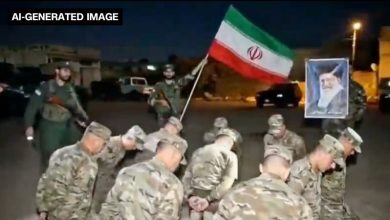
Meanwhile, other state institutions have taken a tougher stance. In a statement released on the second day of protests, the IRGC warned it would oppose “sedition,” “unrest,” or any “security threat,” while the judiciary also indicated potential legal action against those accused of disrupting the economy.
Together, these signals suggest a balanced approach: recognise economic distress to prevent escalation, but maintain the possibility of coercion if protests grow.
Today, Iranians on the streets are raising awareness about core issues, especially the struggling economy.
If economic conditions do not improve, protests could spread to more cities and regions, putting more pressure on the Iranian authorities.
Over time, protests that start over economic concerns may also evolve in tone, shifting from economic issues to broader questions of policy and governance involving the Islamic Republic itself.
Credit: Source link