Iran War Drains US Oil Reserves
Open as PDF
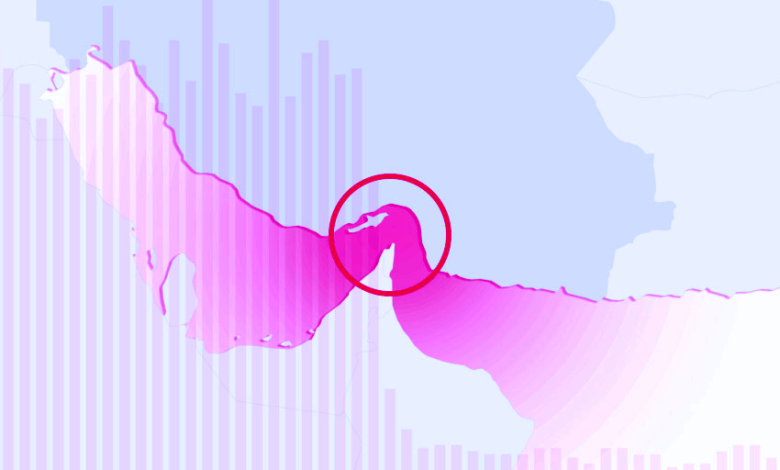
The U.S. Strategic Petroleum Reserve remains one of Washington’s most important tools for managing energy-market disruptions, but the Iran war has exposed both its value and its limitations. Following years of drawdowns, the reserve stands at a historically low level, leaving policymakers with a smaller cushion than in past crises. Though emergency releases have helped offset supply losses and calm markets during disruptions to shipping through the Strait of Hormuz, the SPR cannot fully compensate for prolonged interruptions to normal Gulf energy flows. Even as the recent U.S.-Iran agreement has allowed some tanker traffic to resume, the restoration of shipping volumes and regional production is expected to take time, meaning risks to global supply remain elevated.
This leaves Washington facing a strategic dilemma: Continued releases can stabilize prices and reassure markets, but they also reduce the reserve’s ability to respond to future shocks. The challenge is magnified by the depletion of commercial inventories worldwide, which has reduced the broader buffer available to absorb supply disruptions.
Replenishing the SPR will be a slow and potentially costly process, particularly if geopolitical tensions keep oil prices elevated. Consequently, the reserve has become more strategically valuable than ever, serving as both a safeguard against renewed disruptions in Hormuz and insurance against the possibility that the current diplomatic opening with Iran proves short-lived.