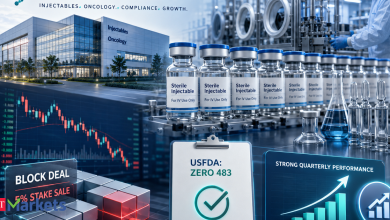
Is its pharma packaging dominance strong enough for steady gro

Gerresheimer AG specializes in critical packaging for pharmaceuticals, offering you exposure to resilient healthcare demand that underpins portfolios amid economic shifts. For investors in the United States and across English-speaking markets worldwide, this German leader in vials and syringes delivers stability tied to global drug production. ISIN: DE000A0LD6E6
Gerresheimer AG stock (DE000A0LD6E6) positions you at the intersection of healthcare essentials and industrial precision, where demand for pharmaceutical primary packaging remains robust regardless of broader market volatility. As a key supplier of glass and plastic containers for injectable drugs, inhalers, and diagnostics, the company benefits from structural tailwinds in an aging global population and rising medication needs. You get targeted access to a niche that powers Big Pharma’s supply chains, making it relevant for diversified investors seeking defensive qualities with growth potential.
Updated: 19.04.2026
By Elena Harper, Senior Markets Editor – Examining European industrials with U.S. investor relevance through supply chain and healthcare lenses.
Gerresheimer AG’s Core Business Model
Gerresheimer AG operates as a leading global developer and producer of pharmaceutical primary packaging and drug delivery systems, focusing on high-quality glass vials, syringes, ampoules, and inhalers that meet stringent regulatory standards. This model centers on long-term contracts with major pharmaceutical companies, ensuring recurring revenue from essential components that cannot be easily substituted in drug manufacturing. You benefit from this setup because it translates into predictable cash flows, insulated from consumer discretionary spending cycles that plague other sectors.
The company’s vertically integrated operations span design, production, and customization, allowing tight control over quality and innovation to address client-specific needs like break-resistant glass or sterile plastics. Manufacturing facilities across Europe, North America, and Asia support global reach while optimizing logistics for just-in-time delivery to drugmakers. For investors, this structure supports margin stability through economies of scale and barriers to entry created by regulatory approvals and technical expertise.
Strategic emphasis on sustainability, such as recyclable glass and reduced CO2 processes, aligns with industry trends, enhancing appeal to ESG-conscious portfolios without compromising core profitability. Overall, Gerresheimer’s model prioritizes reliability over volume, positioning it as a steady performer in healthcare supply chains.
Official source
All current information about Gerresheimer AG from the company’s official website.
Key Products, Markets, and Industry Drivers
Gerresheimer’s portfolio targets high-growth areas like biologics and vaccines, supplying specialized vials for mRNA therapies and pre-filled syringes that dominate modern drug delivery. Markets span injectable drugs, ophthalmics, and respiratory systems, with strong demand from insulin, oncology, and auto-immune treatments that require precision packaging. You see the appeal in how these products tie directly to blockbuster drugs, creating sticky revenue as pharmaceutical pipelines expand.
Geographically, Europe forms the core, but North American and Asian facilities serve U.S.-based pharma giants and emerging biotech hubs, balancing regional exposures. Industry drivers include the shift to self-administration devices, where patient-friendly inhalers and auto-injectors drive premium pricing. Regulatory pushes for serialization and tamper-evidence further favor established players like Gerresheimer with proven compliance track records.
Aging demographics and chronic disease prevalence amplify volume growth, while biosimilar competition accelerates packaging needs for cost-effective generics. E-commerce in pharma distribution indirectly boosts demand for durable, sterile solutions. This combination equips the company to capture secular trends in healthcare delivery.
Market mood and reactions
Competitive Position and Strategic Initiatives
Gerresheimer holds a strong competitive edge through its scale in glass tubing conversion, one of the few global players with end-to-end capabilities from raw glass to finished packaging, outpacing smaller regional suppliers. Strategic acquisitions have bolstered plastics and drug delivery segments, diversifying beyond traditional glass dominance. You gain from this positioning as it creates cost advantages and innovation speed that fragmented competitors struggle to match.
Initiatives focus on capacity expansions for high-value biologics packaging and digitalization of production for efficiency gains, mirroring successful industrials that leverage tech for margin expansion. Partnerships with pharma leaders ensure co-development of next-gen systems, locking in future orders. Compared to peers like Schott or West Pharmaceutical, Gerresheimer’s balanced glass-plastics mix offers resilience against material-specific disruptions.
Sustainability investments, including lightweight glass for lower emissions, strengthen moats amid green regulations. This forward-looking approach supports organic growth while maintaining leadership in a consolidated market.
Why Gerresheimer Matters for Investors in the United States and English-Speaking Markets Worldwide
For you as a U.S. investor, Gerresheimer provides indirect exposure to American pharma powerhouses like Pfizer, Moderna, and Eli Lilly, whose insatiable demand for packaging flows through North American plants and global supply chains. English-speaking markets worldwide, including the UK, Canada, and Australia, share similar regulatory frameworks and healthcare spending patterns, amplifying the stock’s relevance across portfolios. Its listing on the Frankfurt Stock Exchange allows easy access via ADRs or international brokers, fitting seamlessly into diversified holdings.
U.S. relevance heightens with domestic biotech booms in Boston and San Francisco, where proximity reduces lead times for clinical trials and commercial launches. In volatile equity markets, the company’s low cyclicality acts as a stabilizer, correlating more with healthcare ETFs than broader industrials. Tax-efficient German structure and euro-denominated dividends appeal to currency-hedged strategies common among U.S. institutions.
Across English-speaking regions, rising GLP-1 drug adoption for obesity and diabetes drives packaging volumes, with U.S. trends leading global adoption. Track FDA approvals as leading indicators for order backlogs, giving you an edge in timing entries.
Analyst Views and Coverage
Reputable European banks and research houses generally view Gerresheimer positively, highlighting its entrenched position in pharma packaging amid biologics tailwinds, though they caution on execution amid capacity ramps. Coverage emphasizes steady mid-single-digit growth potential tied to drug pipelines, with focus on margin leverage from efficiency programs. You should note that consensus leans constructive, valuing the defensive qualities for portfolios navigating uncertainty.
Institutions like those covering DAX-adjacent names stress the importance of monitoring raw material costs and client concentration, but praise strategic diversification into drug delivery systems. Recent assessments underscore resilience post-pandemic vaccine peaks, positioning the stock as a hold-to-buy candidate for healthcare allocators. Overall, analyst sentiment supports watching for catalysts like new contracts while appreciating the quality at current valuations.
Risks and Open Questions
Key risks include dependency on a handful of large pharma clients, where delays in drug approvals or shifts to alternative packaging could pressure volumes. Glass price volatility from energy costs poses margin threats, particularly in Europe with its energy transition challenges. You need to weigh how geopolitical tensions might disrupt supply chains, though diversified plants mitigate some exposure.
Open questions center on the pace of biologics adoption and competition from Asian low-cost producers gaining regulatory footholds. Sustainability mandates could raise capex needs, testing free cash flow conversion. Watch for M&A integration risks if expansion continues, alongside currency swings impacting euro revenues for non-European holders.
Execution on digital transformation remains pivotal; delays could erode competitive edges. Overall, while structurally sound, vigilance on these levers determines upside realization.
Read more
More developments, headlines, and context on the stock can be explored quickly through the linked overview pages.
What to Watch Next
Monitor quarterly order intakes for signs of biologics acceleration, particularly U.S. biotech wins that signal pipeline strength. Earnings calls will reveal margin progress from efficiency drives and raw material hedging effectiveness. You should track pharma M&A activity, as consolidations often spur packaging standardization favoring incumbents like Gerresheimer.
Regulatory updates on serialization and ESG reporting could unlock premium contracts. Capacity utilization rates offer clues on demand sustainability post-vaccine normalization. Geopolitical energy prices remain a swing factor; stabilizing trends would support re-rating.
For entry points, assess relative valuation to healthcare peers during dips tied to macro fears. Long-term, GLP-1 and oncology pipelines represent multi-year catalysts worth positioning for early.
Disclaimer: Not investment advice. Stocks are volatile financial instruments.