Known as the “IPO midwife”, Finnair chair says listings only succeed if strategy holds
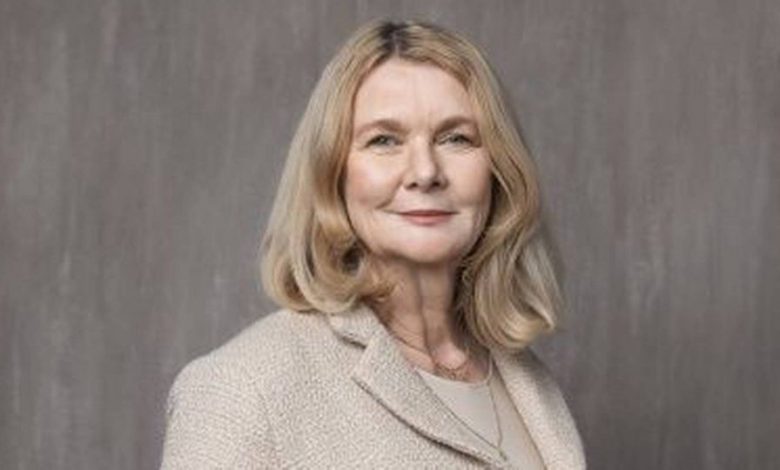
Sanna Suvanto-Harsaae, chair of Finnair Oyj and Posti Group Oyj, uses her experience from stock listings across the Nordics to argue that an IPO is just another way of raising capital, she tells Bloomberg in a comprehensive interview.
Across initial public offerings in Finland, Sweden, Norway and Denmark, she notes that investor demand has consistently been high and that every deal she has worked on has attracted more orders than there were shares available.
”All the IPOs I’ve been involved in have been oversubscribed. But that’s how it should be, because otherwise the price is not right,” says Suvanto-Harsaae, ranked as Finland’s most influential businesswoman for nine consecutive years.
She has earned the moniker “IPO widwife” after being involved in public listings across the Nordics and has built a reputation as a safe pair of hands in tough times.
Suvanto-Harsaae notes that a listing does not mark a company’s finish line but the start of a phase where the business must prove it can deliver on its plans. In her view, a flotation is only truly successful if the company’s strategy remains robust enough to support long-term growth after the first day of trading.
Big Nordic differences
Comparing her experiences from different Nordic countries, she points to “big differences” in the way they own companies. In Finland and Norway there are very clear ownership policies, while Sweden “lacks the same kind of state-ownership governance.”
“So with the Swedes you always have to start from Adam and Eve,” she says.
Suvanto-Harsaae adds that in Denmark, responsibility stays in the same place even when politicians change and that politicians are more accessible than in Sweden.
Ain important focus of the interview is geopolitics. Suvanto-Harsaae is concerned that there is “far too little geopolitics in our university education. This is not only in Finland but in all the Nordic countries.”
“Geopolitical analysis should not be outsourced or left to one person – it needs to be embedded across management and the board. In all my companies, we immediately talked with all the CEOs and looked at what the impacts are. I believe many companies are still asleep,” she states.