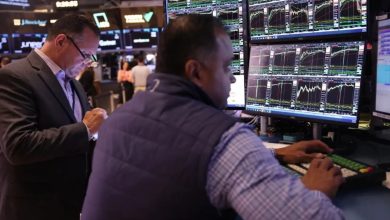
Most US stocks rise, but drops for tech keep Wall Street in check
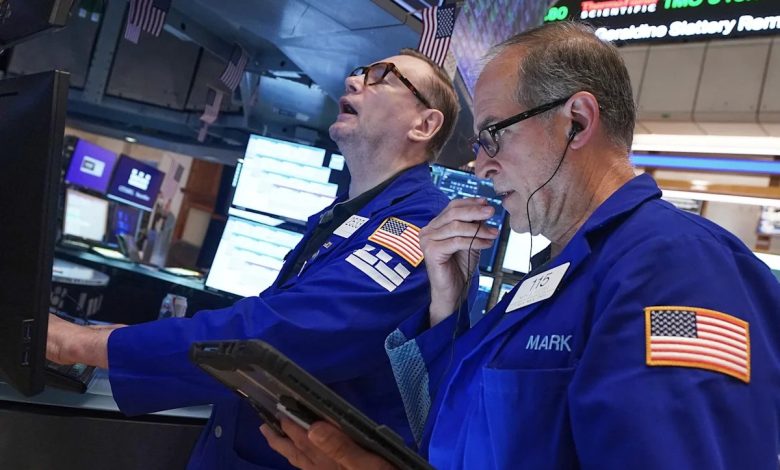
NEW YORK (AP) — Most U.S. stocks are rising on Wednesday, but drops for some influential technology companies are keeping the market in check.
The S&P 500 edged down by 0.1% and was potentially heading toward its eighth loss in the last 11 days. The Dow Jones Industrial Average was up 122 points, or 0.2%, as of 10:15 a.m. Eastern time, and the Nasdaq composite was 0.4% lower.
The heaviest weights on the market were stocks that had soared earlier in the euphoria around artificial-intelligence technology, including drops of 2% for Nvidia, 6.2% for Micron Technology and 4.2% for Advanced Micro Devices. Such stocks have been zigzagging in recent weeks because of worries that they had become too expensive.
AI stocks have grown so big that they’ve become some of Wall Street’s most influential, and their drops helped drag the S&P 500 lower even though nearly two out of every three stocks within the index rose.
Among the winners was General Mills, which climbed 9.1% after the company behind the Cheerios and Progresso brands reported better results for the latest quarter than analysts expected. It also announced a plan to cut $3 billion in costs over four years.
The overall U.S. stock market trimmed its earlier losses after Treasury yields gave up some of their gains from the morning.
After nearing 4.50%, the yield on the 10-year Treasury fell back below 4.46% after a report showed that U.S. manufacturing growth slowed a touch more last month than economists expected. The weaker-than-expected data could take some upward pressure off inflation, which in turn could make the Federal Reserve less likely to raise interest rates later this year.
The fear has been that the Fed may have to hike rates several times in 2026 to keep a lid on inflation. Higher yields make it more expensive for businesses and households to borrow money and in turn can slow the economy. Higher yields also tend to undercut prices for stocks and other investments.
Yields have been on the rise since the war with Iran began because of worries about high inflation caused by expensive oil.
When Treasurys are paying more in interest, investors become less willing to pay high prices for things seen as riskier bets. Gold, for example, pays its holders nothing. And rising yields briefly knocked its price below $3,980 per ounce overnight, down from more than $5,300 per ounce early this year.
But the weaker-than-expected manufacturing report and ensuing easing of Treasury yields sent gold back to $4,104.70 per ounce.