Oil Surges on Hormuz Blockade, Gold Dips as Dollar Strengthens

Crude oil prices climbed sharply on April 27, 2026, driven by severe disruptions at the Strait of Hormuz amid ongoing U.S.-Iran tensions. Brent crude futures reached $107.49 a barrel, and West Texas Intermediate (WTI) traded at $96.17. These gains extended substantial weekly advances of nearly 17% for Brent and 13% for WTI, marking their largest weekly increases since the Iran war began. The Strait of Hormuz, a vital chokepoint for roughly 20% of global oil and LNG, saw traffic collapse to near zero, with only five vessels transiting in a 24-hour period. The International Energy Agency (IEA) described this disruption as the ‘biggest energy supply shock on record.’ Goldman Sachs significantly revised its Q4 2026 oil forecasts upward to Brent at $90 and WTI at $83, citing record inventory drawdowns from these Middle East supply losses. Analysts from Macquarie and Nuvama warn that prolonged disruptions could push Brent prices as high as $150 per barrel. The market is currently focused on physical supply scarcity rather than demand strength, especially as global oil demand forecasts have been reduced.
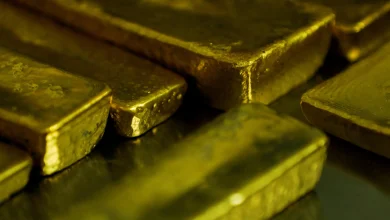
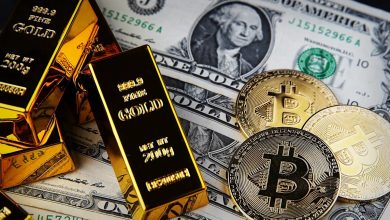
In contrast to oil’s rally, spot gold prices eased 0.3% to trade around $4,694 per ounce, despite having reached an all-time high of over $5,600 in January 2026. Gold’s pullback is linked to a stronger U.S. dollar, which gained traction as hopes for a Middle East peace deal receded. The dollar’s strength, combined with inflation worries driven by rising oil prices, fuels speculation that central banks will keep interest rates high for longer or even raise them further. This restrictive monetary policy environment typically dampens demand for non-yielding assets like gold. Although gold experienced a significant monthly decline of over 10% in March 2026 due to these factors, analysts from J.P. Morgan and Wells Fargo still project year-end 2026 prices between $5,400 and $6,300, viewing the current dip as consolidation within a long-term bullish trend.
The market’s divergent paths highlight how oil is reacting to an immediate, physical supply shock, while gold is more influenced by broader financial trends. The U.S. dollar’s performance, a key factor for gold, has been boosted by diminishing prospects for peace and the resulting inflationary pressures signaling a ‘higher for longer’ interest rate scenario. Historically, intense geopolitical tensions have often caused oil price spikes, as seen when Brent crude surpassed $100 per barrel after earlier Iran conflict escalations. However, gold’s response to such events is complex, often a balance between its safe-haven appeal and the drag from a strengthening dollar and rising real yields. The broader U.S. stock market (US500) rose 0.15% on April 27th, showing cautious but not panicked sentiment, indicating the energy sector is increasingly trading on physical risk rather than pure supply-demand fundamentals.
The sustainability of current high oil prices faces scrutiny. A swift diplomatic breakthrough, however unlikely now, could quickly remove the risk premium from crude prices. Furthermore, persistent inflation fears driving central bank tightening could eventually push major economies into recession, severely impacting global energy demand and triggering a sharp oil price correction. For gold, the strong U.S. dollar presents a significant obstacle. If inflation proves more stubborn than expected, leading to sustained higher rates, the dollar could continue to strengthen, making gold less appealing. The market narrative currently balances supply shocks against monetary policy responses, with any shift in diplomatic status or inflation outlook posing a considerable risk to existing price structures.
Looking ahead, Goldman Sachs anticipates a tightening global oil market, shifting from surplus in 2025 to a significant deficit in Q2 2026, supporting their bullish price targets. For gold, analysts remain divided but largely optimistic for the medium term, with year-end 2026 forecasts from major institutions ranging from $5,400 to $6,300, though a Reuters poll median suggests $4,746.50. Technical indicators suggest gold may be consolidating before potentially retesting all-time highs. The Bank of Japan’s policy decision later in the week is also a key factor for currency markets and, consequently, gold prices.
Disclaimer:This content is for educational and informational purposes only and does not constitute investment, financial, or trading advice, nor a recommendation to buy or sell any securities. Readers should consult a SEBI-registered advisor before making investment decisions, as markets involve risk and past performance does not guarantee future results. The publisher and authors accept no liability for any losses. Some content may be AI-generated and may contain errors; accuracy and completeness are not guaranteed. Views expressed do not reflect the publication’s editorial stance.