OpenAI Rules Out 2026 IPO, Citing Safety Work

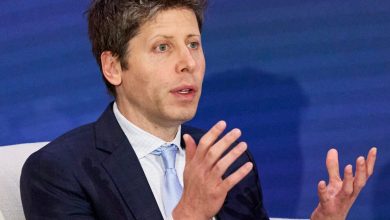
OpenAI will not go public in 2026, chief executive Sam Altman said, removing the most immediate timetable for a stock-market debut that investors have closely watched across the artificial-intelligence sector. In a Fortune interview published Sept. 12, Altman said an initial public offering at this point would be ill-advised because of issues surrounding increasingly capable AI systems.
The comment is more than a calendar update for a high-profile private company. Altman linked readiness for a listing to OpenAI’s work on safety and alignment, as well as the unresolved question of how AI companies and governments should cooperate. It does not establish a new IPO date, however, and it does not demonstrate that safety is the only consideration in OpenAI’s eventual public-market plans.

Altman closed the door on this year, not set a 2027 date
Fortune asked Altman whether 2026 was off the table in favor of 2027. His response ruled out 2026 without committing OpenAI to the following year. That distinction separates the company’s confirmed near-term decision from a broader market narrative that a listing may simply have shifted by 12 months.
CNBC’s coverage of the Fortune interview similarly characterized the outcome as no IPO before at least 2027. But “at least” is important: it describes the earliest remaining year after 2026, not an announced target or filing plan.
CNBC also reported that OpenAI Chief Financial Officer Sara Friar had told employees the prior month that the company would likely go public in 2027 or sooner if its business continued to inflect. That account suggests internal expectations had contemplated a relatively near listing under certain business conditions. It is not equivalent to a board-approved transaction timetable, and Altman’s subsequent remarks leave no verified commitment beyond excluding 2026.
For prospective investors, the practical result is that a company often discussed as a future public-market candidate remains on an open-ended private-company schedule. An IPO normally requires decisions about financial disclosures, governance, underwriting and investor communications. Altman’s comments add another stated layer: whether the company believes the surrounding safety and policy framework is sufficiently developed.
Safety and alignment are part of the stated IPO test
Altman told Fortune that OpenAI still had work to do on safety and alignment requirements and on defining how industry and governments could work together. In AI development, alignment generally refers to efforts to make systems act consistently with intended human objectives and constraints; safety work can include testing, evaluations, safeguards and policies for deploying more capable models.
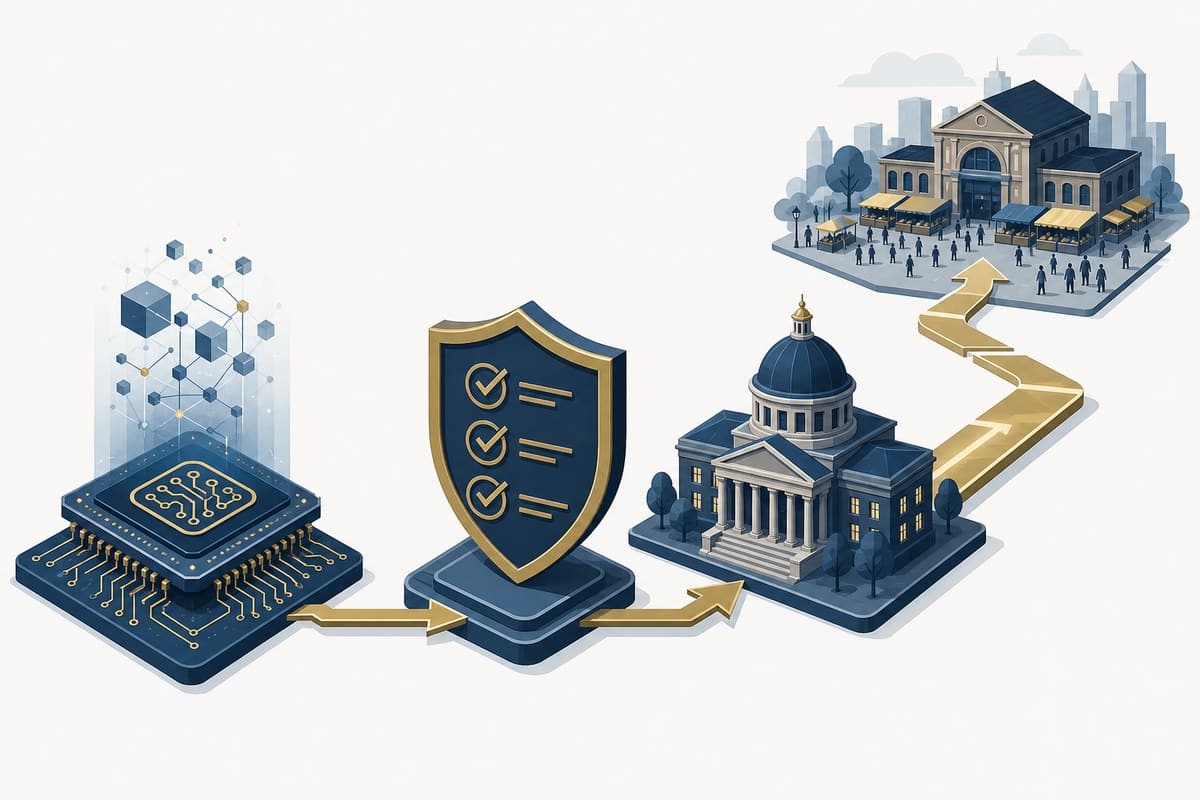
He also said OpenAI had discussed pauses at new capability levels so that safety and alignment efforts could make additional progress. The reported discussions do not amount to a publicly detailed commitment to halt development at specified technical thresholds. Still, they place OpenAI’s IPO comments within a wider debate over whether commercial competition is moving faster than the industry’s systems for evaluating and governing advanced models.
CNBC placed Altman’s IPO statement alongside a separate proposal from Anthropic Chief Executive Dario Amodei for companies to adopt independent evaluators with access comparable to employees. CNBC reported that Altman said on X that OpenAI would adopt such evaluators. The proposal and OpenAI’s stated plan are distinct from an IPO decision, but they illustrate the governance mechanisms entering the conversation as leading AI developers confront external scrutiny.
The available reporting does not support a narrower conclusion that safety concerns alone caused the delay. Altman described them as making a public offering now unwise and cited alignment and government coordination. Companies weighing a listing can also confront financing, corporate-structure, regulatory, market and disclosure considerations. None of those factors was identified by Altman in the interview as a reason for ruling out 2026, so assigning their weight would go beyond the record.
Why the timing matters for OpenAI and the AI market
OpenAI’s potential listing has drawn unusual attention because the company sits at the center of the generative-AI investment cycle. A public offering would potentially create a new way for investors to value a major model developer through quarterly disclosures and public trading, rather than through private fundraising and secondary-market transactions. By taking 2026 off the table, Altman has left those questions unresolved for at least another planning cycle.
The episode also underscores a tension in the business model of frontier AI. The same companies pursuing greater computing capacity and more capable systems must show customers, policymakers and capital providers that their controls can keep pace. Altman’s formulation makes public-market readiness partly a question of societal and institutional preparedness, not solely revenue growth or investor demand.
That framing may give OpenAI more room to continue developing its governance approach before confronting the disclosure obligations and short-term market pressures of public ownership. It also raises a difficult measurement problem. OpenAI has not, in the reported comments, laid out the safety or alignment milestones that would signal it is ready to proceed, nor has it specified what form adequate government-industry coordination would take.
For now, the confirmed benchmark is limited but consequential: no OpenAI IPO in 2026. Any assertion that 2027 is locked in, or that one factor fully explains the timing, goes further than Altman’s remarks support.