Play defense with these dividend payers that consistently buy back shares: Wolfe Research
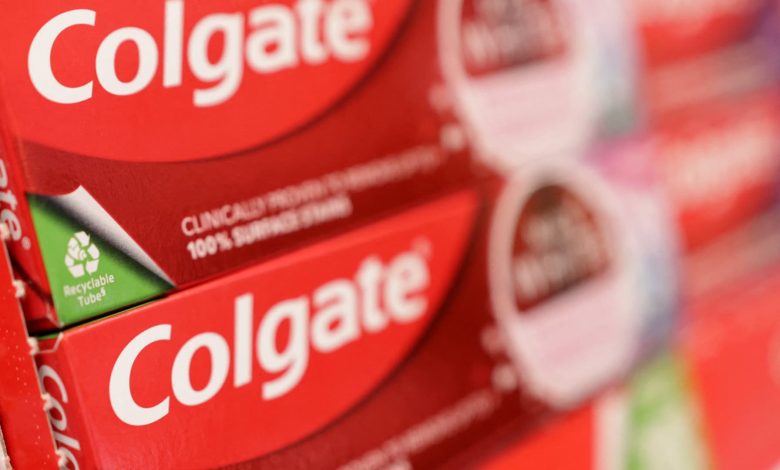
The best way to play defense in this rocky market is to focus on companies that have a track record of buying back their stocks, according to Wolfe Research. Equities are slightly off their latest highs, but the ride has been anything but smooth. The S & P 500 and Nasdaq Composite both fell on Monday , while the Dow Jones Industrial Average inched higher. At the same time, investors have been closely watching inflation, with the May consumer price index rising 4.2% over the prior 12 months. The latest inflation reading, the personal consumption expenditures price index, is set to be released on Thursday. The ongoing volatility may have investors seeking safety. Wolfe’s favorite way to take a defensive view during the rockiness with its “Consistent Buybacks” basket. It consists of companies that have reduced their share count by buying back their stock for at least 10 consecutive years. “This basket tends to perform well throughout the cycle, including heading into and throughout recessions,” chief investment strategist Chris Senyek said in a note last week. On top of that, certain names in the cohort also pay dividends. Here are the stocks in Wolfe’s list that both have consistently bought back shares over the last 10 years and have a solid dividend yield. Best Buy , which has a 5% dividend yield, made the cut. The electronics retailer returned $1.1 billion to shareholders through share repurchases and dividends in fiscal 2026. It has raised its dividend for 13 consecutive years, according to the company’s annual report. Best Buy’s fiscal 2027 got off to a good start, with the retailer reporting a first-quarter earnings and revenue beat. It has been battling a sales slump, but said consumers remain resilient in the face of elevated inflation. “Technology is more important in people’s lives than it has ever been, and that means everyone is looking for ways they can optimize their life, and they’re looking for ways they can optimize their technology,” CEO Corie Barry said on a call with reporters. Barry will step down from the head role on Oct. 31 and will be replaced by Jason Bonfig, a 27-year company veteran. Shares are up almost 15% year to date. Colgate-Palmolive has seen shares rise 13% in 2026. The consumer staples company, which yields nearly 2.4%, hiked its dividend earlier this year and brought its quarterly payment to 53 cents per share. Colgate also announced a new $5 billion share repurchase program in March 2025 . The stock is also a Dividend Aristocrat, a cohort of companies that have boosted their payouts in each of the past 25 years. Morgan Stanley is among those bullish on Colgate. The firm recently reaffirmed the stock as a top pick, as well as its overweight rating. “We expect sustained 3-4% organic sales growth, driven by durable pricing power, EM [emerging market] exposure, Hill’s normalization, and oral care share recovery, not fully priced into valuation,” Dara Mohsenian wrote in a May 28 note. Several financial stocks are also in Wolfe’s basket, including JPMorgan Chase . Shares have gained almost 3% so far this year. CEO Jamie Dimon said in late May the big bank could fork out up to $20 billion on an acquisition in the coming years. However, any takeover would have to blend seamlessly into JPMorgan’s existing operations and enhance its core businesses, he said. In April, JPMorgan posted a first-quarter quarter beat for both earnings per share and revenue, but it lowered its full-year guidance for net interest income. The stock has a 1.8% current dividend yield. Lastly, Honeywell yields about 2.1% and has gained about 17% year to date. The company plans to spin off its aerospace business on June 29. The remaining entity will be known as Honeywell Technologies and focus on automation. “We are taking the opportunity to build a pure-play automation company across multiple sectors, and opportunity is more compelling now, with AI coming in,” CEO Vimal Kapur told CNBC’s Jim Cramer earlier this month. Honeywell reported mixed first-quarter results in April — posting adjusted earnings per share that beat estimates but missing on revenue.