SpaceX Is Up 49% Since Its IPO. Is December the Stock’s First Real Test?
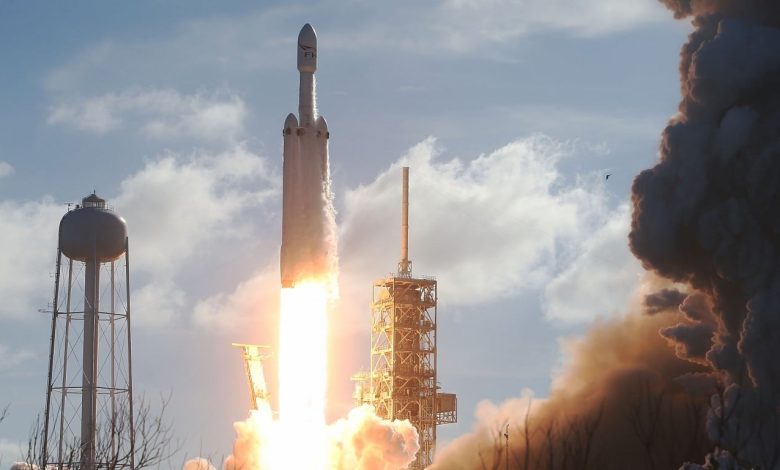
© Joe Raedle / Getty Images
Few companies have arrived on the public markets with more momentum than SpaceX (NASDAQ:SPCX). After raising over $85 billion in the largest IPO ever last Friday, SpaceX wasted little time rewarding investors. The stock climbed more than 19% in each of its first two trading sessions and added another 4% yesterday, pushing its market capitalization to roughly $2.66 trillion. That was enough to move past Amazon (NASDAQ:AMZN | AMZN Price Prediction) and become the fifth-largest company.
The enthusiasm has been remarkable because it has persisted despite warnings from skeptics who argue the company remains unprofitable and trades at a valuation that assumes years of flawless execution. For now, investors are focused on growth. The real question is whether that excitement can survive SpaceX’s first major test later this year.
Momentum Keeps Building
One reason investors remain enthusiastic is that SpaceX is already behaving like a company intent on putting its new capital to work.
Just days after its debut, SpaceX announced it would acquire Anysphere in a $60 billion all-stock transaction. The deal immediately expands the company’s artificial intelligence ambitions and signals management is thinking beyond rockets, satellites, and broadband.
The market’s response suggests investors are willing to give SpaceX the benefit of the doubt.
Consider where SpaceX stands:
| Metric | Value |
| IPO proceeds | $85 billion |
| Current market cap | $2.66 trillion |
| Shares outstanding | 13.08 billion |
| Initial free float | 555.6 million shares |
| “Greenshoe” shares | 83.3 million shares |
| Gain from IPO offer price | 49.5% |
That tiny initial float helped create scarcity. With only a fraction of shares available for trading, strong demand from both institutions and retail investors had an outsized impact on the stock price.
December Is When Things Can Change
When a company goes public, early investors, employees, executives, and founders typically cannot immediately sell their shares. These restrictions — known as lockup agreements — are not required by securities regulations, but they are standard practice in IPOs and are usually imposed by the company and its underwriters. The goal is to prevent a flood of insider selling from overwhelming demand and destabilizing the stock during its first months of trading.
According to SpaceX’s SEC filing, most insiders, employees, and early investors are subject to a staggered lockup schedule rather than a traditional single expiration date. It is a smart design because it avoids flooding the market with shares all at once.
The unlock schedule includes:
- Up to 20% of holdings after Q2 earnings
- Potential additional 10% release if SpaceX remains at least 30% above its IPO price before earnings
- Roughly 7% tranches at 70, 90, 105, 120, and 135 days after the IPO
- An additional 28% after Q3 earnings
- Full release of remaining eligible shares around Dec. 8, 2026
Meanwhile, Elon Musk’s stake — representing roughly 40% economic ownership and approximately 85% voting control — remains locked up until June 2027. That means the biggest shareholder won’t be selling. But billions of shares held by employees, venture investors, and early backers will become eligible to trade before year-end.
History Suggests a Tougher Road Ahead
Insider selling is not the only concern. Mega-cap IPOs often significantly underperform the market beginning three to six months after their debut, and it can last for several years.
When coupled with the lockup expiration, by the 180-day mark, analysts estimate tradable shares could expand to roughly 58% of the company — about a 13-fold increase in the float. Not every newly unlocked share will hit the market as many employees and long-term investors may continue holding. Yet even partial selling can create pressure simply because there are far more shares available to buy and sell.
Surprisingly, the staggered structure may actually help SpaceX avoid the sharp declines that sometimes accompany lockup expirations. Instead of one giant wave of supply, investors will face a series of smaller tests between August and December.
Key Takeaway
In short, SpaceX has passed its first test with flying colors. A 49% gain since the IPO, a $2.66 trillion valuation, and a major acquisition announcement show demand remains powerful.
December, though, may be the stock’s first meaningful examination of whether that demand is durable. The IPO rally was fueled in part by scarcity. The lockup expirations will reveal whether investors are just chasing momentum or whether they are willing to absorb billions of newly tradable shares.
If SpaceX holds up through that process, the market will have delivered a strong vote of confidence that the company’s growth story is worth its enormous valuation.