SpaceX shares fall back to IPO price as investors question post-listing valuation
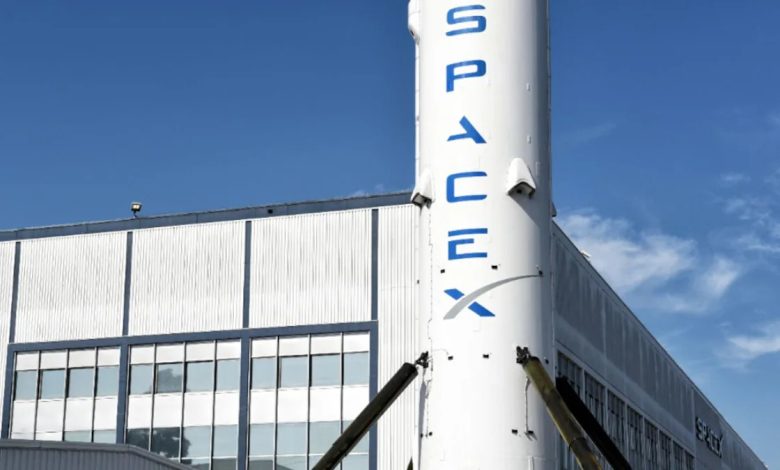
SpaceX Corp (NASDAQ:SPCX) shares have fallen back towards their initial public offering price just over a month after listing, as early enthusiasm for the space exploration company gives way to closer scrutiny of its valuation, spending requirements and limited public float.
The stock, trading under the ticker SPCX, slipped to a fresh low of $132.15, below its $135 IPO price, before closing Wednesday at $135.27.
That represents a sharp reversal from the first day of trading on June 12, when shares surged to a record $161 amid strong demand from investors seeking exposure to Elon Musk’s space and satellite communications business.
Limited float clouds price discovery
Spaceship vice president of investments Jason Sedawie said the stock’s current trading range should not necessarily be viewed as an accurate reflection of SpaceX’s underlying value.
“A few weeks on from listing, SpaceX is hovering around its IPO price. It’s tempting to read that as the market agreeing that the deal was priced correctly. However, our analysis is that price discovery simply hasn’t really happened yet.
“With only around 5% of the company in free float – that’s the portion of shares actually available to trade on the open market – the vast majority of shares remain locked up with insiders, employees and long-term backers. A stock where so few shares actually change hands isn’t being valued by the market so much as it is being parked. The current trading range reflects scarcity and a shortage of willing sellers, not a settled consensus on what the business is worth.
“The analogy for investors is that this is like an auction where only a handful of lots come under the hammer while most of the bidders have been told to keep their paddles down. Yes, a price gets recorded, but with so little for sale and most of the demand sidelined, it reveals almost nothing about what the room would truly pay. Real value only surfaces when the full catalogue goes up and every bidder is free to raise a hand.”
Sedawie said genuine price discovery would require greater trading volumes, a broader mix of buyers and sellers, and more time in the public market.
Starlink growth balanced by long-term ambitions
SpaceX combines the rapidly growing Starlink satellite internet subscription business with longer-term projects including the Starship launch system, artificial intelligence applications and potential missions to Mars.
This combination gives the company significant growth potential but also makes conventional valuation methods difficult to apply, particularly while only a small proportion of its shares are publicly traded.