The Real Cost of Retiring to Scottsdale, Arizona, at 65 on $950,000 Stress Free
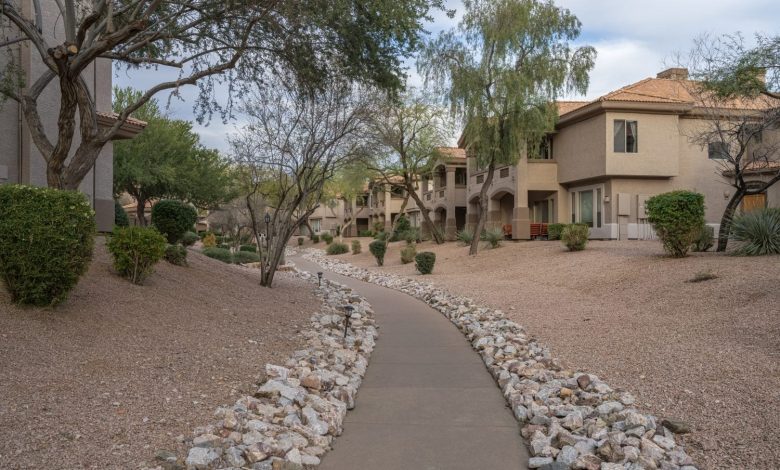
Scottsdale offers many of the amenities retirees want: warm winters, championship golf, upscale dining, abundant outdoor recreation, and no Arizona tax on Social Security benefits. It also has one of the priciest housing markets in the Mountain West. The question is whether a couple with $950,000 can comfortably retire there at 65. The answer is yes, but only if they avoid the housing mistake that derails many retirement budgets.
What Scottsdale Actually Costs in Current Dollars
The Scottsdale median sale price sat around $919,500 in April 2026, with median list prices pushing near $1 million. That reflects the middle of Scottsdale’s housing market, although retirees can often find smaller condos, patio homes, and 55-plus communities at substantially lower prices. Arizona’s statewide cost of living index, 100.677, badly understates Scottsdale itself, which behaves more like coastal California for housing and like the rest of the Southwest for almost everything else.
For a couple owning a paid-off home in a 55-plus community or right-sized condo, a realistic working budget in today’s dollars looks roughly like this: property tax around $3,000 (Scottsdale’s combined rate runs about $0.91 per $100 of assessed value, and assessed value is a fraction of market), homeowners insurance and maintenance around $5,000, HOA in a 55-plus or patio-home community $3,500, utilities $4,500, groceries and household $11,000, transportation $8,000, healthcare $9,500, travel and lifestyle $10,000, and miscellaneous and reserves of $6,000 for replacement vehicles, gifts, and income taxes on withdrawals. That produces a working retirement budget of roughly $60,000 per year before federal income taxes.
Healthcare is one of the easier parts of the budget to estimate. Between Medicare Part B, a Medigap supplement, a Part D prescription drug plan, and routine dental and vision expenses, a realistic healthcare budget for a retired couple is about $9,500 per year.
The Math From Cost to Portfolio
For many couples, Social Security provides the foundation of the retirement income plan. A couple claiming benefits around age 65 can reasonably expect roughly $45,000 per year in combined benefits, depending on their work histories. Arizona does not tax Social Security benefits, and its relatively low income tax on other retirement income helps retirees keep more of their portfolio withdrawals.
That leaves the portfolio responsible for roughly $15,000 to $20,000 per year. On a $950,000 portfolio, that represents an initial withdrawal rate of roughly 2%, an exceptionally conservative level that leaves considerable room for market volatility, inflation, and unexpected expenses.
A single retiree faces a somewhat tighter budget, but the math still works comfortably if housing costs remain under control. The key assumption throughout this analysis is that the home has already been purchased or significant home equity is available before retirement.
The Housing Trap Nobody Names
The $950,000 only works if you arrive in Scottsdale with home equity already in hand. Buy Scottsdale’s median-priced home with cash and most of the retirement portfolio disappears. Finance the purchase instead, and today’s mortgage payments quickly overwhelm the budget.
Most successful retiree plans follow one of three paths: bring substantial equity from a previous home and purchase a smaller Scottsdale property outright, rent and accept that housing costs will likely rise over time, or expand the search to nearby communities such as Fountain Hills, north Phoenix, or Cave Creek where housing is considerably less expensive.
Inflation remains an important long-term consideration. Even if today’s budget works comfortably, living costs are likely to rise over a retirement lasting 25 or 30 years. A diversified portfolio with meaningful stock exposure gives retirees a much better chance of keeping pace with inflation than relying primarily on cash or certificates of deposit.
A $950,000 portfolio can comfortably support retirement in Scottsdale if housing costs are controlled before retirement begins. Arriving with substantial home equity from a previous home or purchasing a modest Scottsdale property outright allows withdrawals to remain very conservative while leaving room for inflation and unexpected expenses. Attempting to buy Scottsdale’s median-priced home with the retirement portfolio, however, changes the math entirely.
Contact [email protected] for any questions or corrections.