U.S. Global Investors’ Frank Holmes on why travel stocks look undervalued – ICYMI
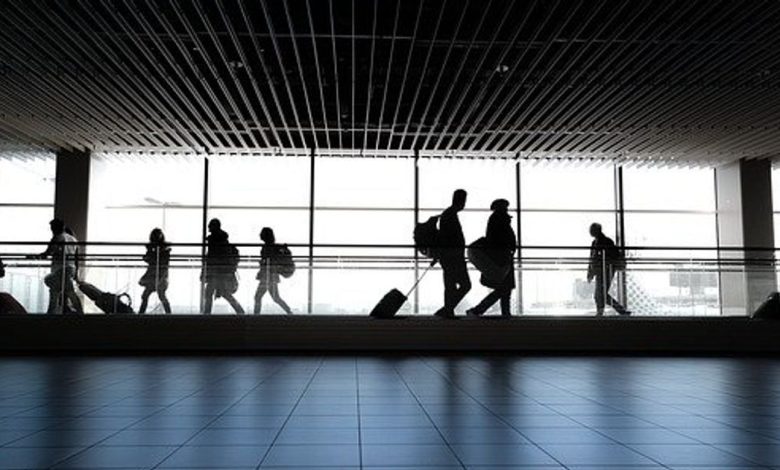
U.S. Global Investors (NASDAQ:GROW) CEO Frank Holmes talked with Proactive about the resilience of the global travel industry and why he believes volatility in airline and tourism stocks may represent a buying opportunity for investors.
Holmes discussed recent weakness in airline shares amid geopolitical uncertainty and higher fuel prices, but said underlying travel demand remains exceptionally strong.
The conversation focused on the company’s TripETF and broader trends across airlines, hotels, cruises and tourism markets. Holmes highlighted continued strength in international travel demand, particularly on routes between North America, Europe and Asia, despite disruptions in the Middle East.
He also pointed to increasing demand for global tourism experiences, noting that popular destinations including Machu Picchu and major European museums are now limiting visitor access due to overwhelming demand. Holmes said luxury hotels continue to demonstrate strong pricing power, while FIFA 2026 is expected to create a major tourism boost across Canada, the United States and Mexico.
Proactive: Welcome back inside our Proactive newsroom. Joining me now is Frank Holmes, CEO of U.S. Global Investors. Frank, it’s great to see you again. How are you?
Frank Holmes: I’m great. Thank you.
Good to have you along. Excited to talk a little bit about the TripETF and what’s going on in the world of airlines and travel. There’s been volatility lately, especially in the Middle East, but you’re saying things are still rosy for airlines.
The numbers are coming out, and they’re quite dramatically more positive than the negative sentiment. So it appears as negative sentiment is a short term buying opportunity. The airlines sell off, fuel prices go up, then the airlines pass on the higher fuel costs. And people are still packing those flights and are not stopping.
We look at airline traffic versus GDP, and the numbers are far greater than European GDP growth. People are traveling. They may not be flying over Iran and some were stuck in Dubai, which created negative narratives, but flights between North America, Europe and Asia remain extremely positive.
Hotels are busy. Cruises are busy. Even with health concerns making headlines, people still want to travel.
They still are. It was basically characterized as a one-off that got lots of negative narrative. Longer term — and longer term now means a quarter, not a week — things are still resilient. People want to travel and experience the globe.
For example, Machu Picchu is restricting visitor numbers, and museums in Europe now require bookings in advance. You can’t just show up and buy a ticket anymore. The same thing is happening in New York City. This trend has continued for years.
Let’s talk about FIFA 2026. Canada, the US and Mexico are preparing for it. I imagine this will be a big driver for travel.
Absolutely. North-south traffic will be immense and tourism dollars will accelerate. It will also help three- and four-star hotels, which should see strong occupancy.
Right now, luxury hotels have incredible pricing power and can charge extraordinary room rates. FIFA 2026 will further boost travel demand across North America. In particular, many three-star hotels from Mexico to Canada are already sold out.
I also want to ask about Spirit Airlines. What’s your take?
They were brilliant with marketing campaigns and generated tremendous publicity. They had a good business model initially, but they relied on older planes and increasingly cramped seating arrangements.
They made a series of mistakes, including worsening customer experience, while rising energy prices also hurt them. The shift from positive publicity to negative passenger experiences created damaging press coverage. Meanwhile, competitors introduced basic economy seating on newer aircraft.
Lastly, a quick comment on TripETF. You’re happy with where it’s at right now?
Yes. I think it’s one of the most deeply undervalued opportunities when you look at PE ratios and cash flow multiples across the travel industry. I think those valuations can move much higher.
Quotes have been lightly edited for style and clarity