Venezuela passes amnesty law for political prisoners
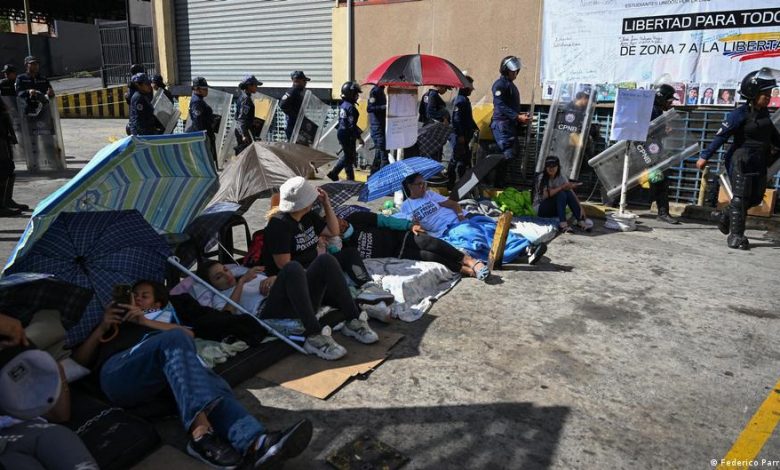
Venezuela‘s National Assembly, on Thursday, unanimously approved a proposed amnesty that could free hundreds of political prisoners jailed for being critical of the government.
The bill marks a landmark development for the South American nation that has spent decades denying holding political prisoners.
The change in policy comes after former President Nicolas Maduro was removed from power and kidnapped by the US military in a raid in the country’s capital, Caracas, on January 3.
Acting President Delcy Rodriguez, who proposed the amnesty last month, signed the bill.
“One must know how to ask for forgiveness and one must also know how to receive forgiveness,” she said at the Miraflores presidential palace in Caracas after signing the bill into law.
Who does the Venezuelan amnesty law cover?
Hundreds, perhaps thousands, of Venezuelans have been jailed for political reasons over the years.
About 450 prisoners have been released since Maduro was removed from power and before the amnesty bill was enacted, but more than 600 others remain behind bars, according to the NGO Foro Penal.
The bill is meant to provide amnesty for those detained over political protests and “violent actions” over the last few decades, including a brief coup in 2002 and during elections.
However, the law excludes those who have been prosecuted or convicted of promoting military action against the country, which could include opposition leaders such as Nobel Peace Prize winner Maria Corina Machado.
The current ruling party has accused her of calling for an international intervention to remove Maduro.
People involved in the 2019 military coup are also excluded from the amnesty.
“The scope of the law must be restricted to victims of human rights violations and expressly exclude those accused of serious human rights violations and crimes against humanity, including state, paramilitary and non-state actors,” UN human rights experts said in a statement from Geneva on Thursday.
The law also does not return assets to those detained, revoke public office bans, or remove sanctions against media outlets.
As for those who have been living abroad to avoid detention, the law allows a lawyer to apply for amnesty. But the person would have to be present in Venezuela for amnesty to be awarded.
Moreover, they are required to have “ceased the execution of the actions which constitutes crimes.”
“It’s not perfect, but it’s a great step forward,” opposition lawmaker Nora Bracho said during the debate. “It will alleviate the suffering of many Venezuelans.”
Edited by: Sean Sinico
Credit: Source link