Why Energy ETFs Are Outperforming Oil & Gas Stocks
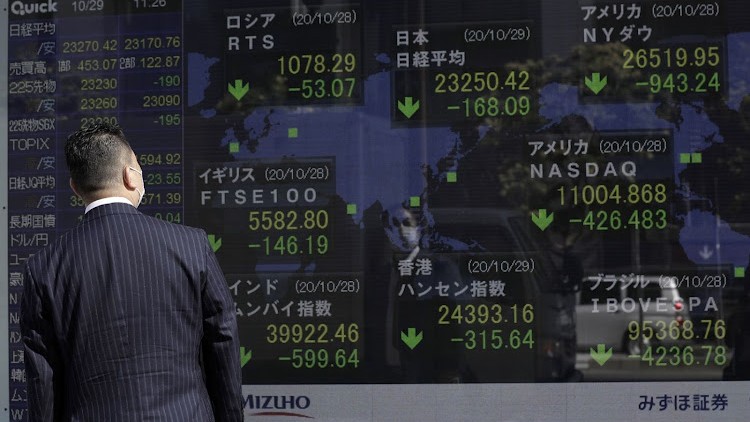
Previously, we reported that Oil & Gas stocks are on track to outperform the broader market by its widest margin on record, driven by Middle East conflict, rising demand from the AI boom, and a continued rotation away from expensive technology and growth stocks. The Energy Sector has netted a 26.6% return in the year-to-date compared to 4.7% rise by the S&P 500, the best sector performance and nearly double the 14.1% gain by second-placed Materials Sector. Oil prices were rallying again on Monday, with Brent crude for June delivery up 2.92% to trade at $108.30 per barrel at 3:05 pm ET while the corresponding WTI crude contract gained 2.26% to change hands at $96.53/bbl.
And now energy ETFs appear to be emerging as a solid bet for outsized gains, with these equities set to outperform over the long run amid sustained high oil prices driven by structural supply constraints and failed peace negotiations in the Middle East.
IEA chief Fatih Birol recently described the energy crisis as the worst ever in modern history while Dennis Kissler of BOK Financial Securities says prolonged closure of the Strait of Hormuz will amplify upward pressure on oil prices. Sentiment now seems to be building that positioning in energy ETFs could be more beneficial from a higher-for-longer price environment instead of constantly reacting to market volatility.
Here are top-performing energy ETFs:
#1. Breakwave Tanker Shipping ETF (BWET)
Assets Under Management (AUM): $52.1M
YTD Returns: 625.1%
The Breakwave Tanker Shipping ETF (BWET) is an exchange-traded fund designed to provide unleveraged exposure to the daily price movements of crude oil tanker freight futures. Launched in May 2023, it is the first ETF exclusively focused on this niche market, tracking the Breakwave Wet Freight Futures Index. The ETF primarily invests in derivatives tied to the cost of shipping crude oil, specifically the Very Large Crude Carriers (VLCC) that transport oil from the Middle East to Asia.
BWET ETF has seen some monstrous gains in the current year, with the escalation of the war in Iran directly impacting maritime traffic in the Strait of Hormuz, a critical chokepoint for oil transportation. As vessels avoid the area or face increased risks, the demand for tankers is exceeding supply, causing freight rates to soar. Roughly 100 VLCCs have been moved to a parallel market to transport sanctioned oil, creating a 23% reduction in the available regulated tanker supply. When combined with the geopolitical disruptions, this created a perfect storm for skyrocketing tanker rates. BWET has also become a direct proxy for the escalating Iran conflict, with nearly 90% of its portfolio focused on shipping routes in that region.
#2. VanEck Oil Services ETF (OIH)
Assets Under Management (AUM): $2.5B
YTD Returns: 54.5%
VanEck Oil Services ETF (OIH) is a focused fund that targets the 25 largest and most liquid U.S.-listed companies in the oil services sector. Its top 5 largest holdings are:
- Schlumberger NV (NYSE:SLB) (~20.5% of net assets)
- Baker Hughes Co (NYSE:BKR) (~11.8% of net assets)
- Halliburton Co (NYSE:HAL) (~6.8% of net assets)
- TechnipFMC PLC (NYSE:FTI) (~6.4% of net assets)
- Tenaris SA (NYSE:TS) (~5.2% of net assets)
The VanEck Oil Services ETF (OIH) has recently outperformed crude oil and broad energy benchmarks, driven by bullish trends in oilfield services. OIH gains when demand for oil services rises due to drilling, fracking, and equipment needs, often outperforming in rising energy markets. The ETF’s strong uptrend is being driven by increased drilling and fracking activity, acting as a high-risk, high-reward, or leverage to oil price play.
#3. United States Oil Fund (USO)
Assets Under Management (AUM): $2.6B
YTD Returns: 95.0%
The United States Oil Fund (USO) is an exchange-traded fund (ETF) designed to track the daily price movements of West Texas Intermediate (WTI) crude oil, rather than holding physical oil. Traded on NYSE Arca, it primarily uses oil futures contracts, making it popular for short-term speculation or hedging against oil price fluctuations rather than long-term investment.
Top USO ETF Holdings (as of March 31, 2026):
- Light Crude Oil Future June 2026 (91.12%): The primary, front-month futures contract holding.
- Morgan Stanley Institutional Liquidity Government Portfolio (INST) (57.48%): A top cash equivalent holding for liquidity.
- Bank of New York Cash Reserve (16.56%): Cash reserve holdings.
- USD Cash (11.16%): Direct cash holdings.
- Macquarie Bank Limited Total Return Swap (TRS) (1.64%): Swap contract
The futures market is in extreme backwardation—where near-term contracts are much more expensive than later-dated ones—which enables the USO fund to generate high “roll yields” (profitably selling cheaper contracts to buy more expensive ones) . Further, U.S. oil inventories have been falling sharply despite seasonal trends that suggest they should rise, indicating demand is outstripping supply.
#4. United States Brent Oil Fund (BNO)
Assets Under Management (AUM): $951.6M
YTD Returns: 89.2%
The United States Brent Oil Fund, LP (BNO) is an exchange-traded fund designed to track the daily price movements of Brent crude oil. BNO is a US-listed fund managed by USCF Investments, allowing investors to take short-term tactical positions on Brent oil futures without directly trading futures contracts.
The core driver of the 2026 oil price and BNO ETF surge is the effective closure of the Strait of Hormuz following U.S.-Israeli strikes on Iran, which began in late February. This bottleneck handles roughly 20% of global oil and LNG supplies, creating an unprecedented supply shock. The ongoing war has embedded a significant risk premium into Brent prices, with threats to energy infrastructure causing panic buying and limiting supplies from major producers like Saudi Arabia and the UAE. Because the supply shock is creating immediate, severe shortages, the futures market is in deep “backwardation”—where near-month contracts (which BNO holds) are priced higher than future-month contracts. This environment allows the ETF to benefit from “roll yield” (buying lower and selling higher) rather than suffering from the decay often seen in long-term oil ETF holdings. Further, global oil stockpiles are decreasing rapidly, with some estimates suggesting a deficit of up to 9.6 million barrels per day in the second quarter largely due to reduced flows from the Middle East.
#5. Invesco DB Energy Fund (DBE)
Assets Under Management (AUM): $99.3M
YTD Returns: 79.1%
The Invesco DB Energy Fund (DBE) is an exchange-traded fund designed to track the performance of the DBIQ Optimum Yield Energy Index Excess Return. It provides exposure to a basket of energy-related commodity futures, specifically light sweet crude oil (WTI), Brent crude oil, heating oil, RBOB gasoline and natural gas. The fund uses an “Optimum Yield” approach, aiming to maximize potential roll gains (or minimize losses) when replacing expiring futures contracts with newer ones. Investors use DBE to gain exposure to energy price fluctuations, speculate on price increases in oil/gas, or hedge against inflation in the energy sector.
DBE ETFs Top 5 Holdings are:
- Invesco Government & Agency Portfolio: ~49.46%
- Brent Crude Future (July 26): ~18.91%
- Light Sweet Crude Future (Sept 26): ~15.47%
- Gas Oil Future (Apr 26): ~7.70%
- NY Harbor ULSD Future (May 26): ~5.36%
DBE ETF is rallying hard in April 2026 due to the ongoing severe energy supply shock. The conflict has disrupted nearly 10 million barrels per day (MMbbl/d) of supply, causing a scarcity premium and widening the gap between spot and future prices. DBE uses a specific roll strategy designed to mitigate the costs of holding futures contracts when markets are in contango, often enhancing returns during a sharp, rapid rally.
By Alex Kimani for Oilprice.com