Why Is SpaceX Raising More Cash With Debt After a Record IPO?
Space Exploration Technologies (SPCX +3.76%) had a very successful initial public offering (IPO), with the rocket company raising close to $86 billion earlier this month. It was a record figure, highlighting just how much appetite there is for Elon Musk’s company, commonly referred to as just SpaceX.
What may be eyebrow-raising is that despite the recent IPO, the company was once again raising cash through a $25 billion debt sale. Within just two weeks, SpaceX has been raising even more money. But why?
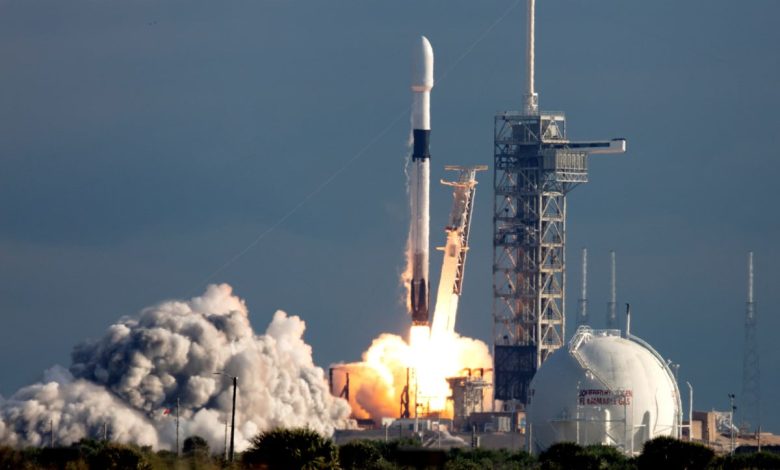
Image source: Getty Images.
SpaceX is using the money to pay off its bridge loan for xAI
SpaceX acquired xAI earlier this year, and it took out a $20 billion bridge loan to do so. According to reports, the company initially planned to raise $20 billion in this recent debt sale. However, with strong interest and demand, the figure climbed to $25 billion.
Tech companies have been increasingly turning to bonds this year to raise cash for expansion, particularly to make heavy investments in artificial intelligence (AI). Simply offering stock all the time can be less than ideal, as it dilutes the stock and weighs down the price, which is bad news for investors. Debt, however, comes with interest expense.
Companies often use a mix of both to try to manage their cash flow needs, and with SpaceX’s recently issued notes being due between 2031 and 2056, it gives the company some important financial flexibility.

Space Exploration Technologies
Today’s Change
(3.76%) $6.18
Current Price
$170.37
Key Data Points
Market Cap
$2.2T
Day’s Range
$161.64 – $171.42
52wk Range
$147.11 – $225.64
Volume
875.5K
Avg Vol
204.2M
Why SpaceX’s cash flow needs could intensify
SpaceX has bold plans to put data centers into space and land rockets on Mars. And not only are they ambitious plans, but they’re also going to be incredibly costly endeavors to undertake. That means the company’s need for cash is likely to balloon significantly. It already has.
During the first three months of the year, the company’s capital expenditures totaled $10.1 billion, which was more than double what they were a year ago ($4.1 billion). The bulk of that increase came from its AI segment, which may not slow down anytime soon. Meanwhile, with the company’s operations being unprofitable, SpaceX isn’t in a terribly strong financial position today.
For investors, this means that there could be frequent stock offerings and more debt issued in the future. As rosy as the growth expectations may be with SpaceX, there are also plenty of reasons to be concerned; optimism alone may not be enough to keep the stock from falling. Already trading at a high valuation and with a market cap of $2 trillion, SpaceX stock is incredibly expensive and comes with significant risk; it’s a stock I’d stay far away from.