Bond Markets Face Major Losses as Middle East War Sparks Inflation Worries
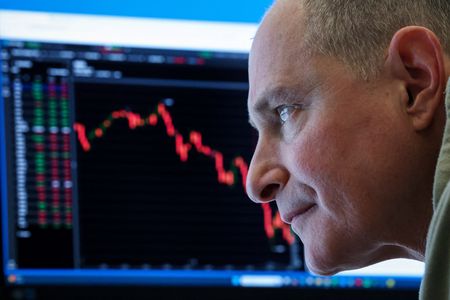
International government bond markets are experiencing some of their steepest weekly declines in months due to concerns that Middle East conflict will drive up inflation. Rising energy costs from the war have prompted investors to reconsider expectations for central bank interest rate cuts.

International government bond markets are experiencing some of their most significant weekly declines in months, driven by worries that ongoing Middle East warfare will push inflation higher and prompt central banks to take more aggressive monetary policy stances.
Oil prices were poised Friday to record their strongest weekly performance since the extreme market swings during the early COVID-19 pandemic in spring 2020, as the conflict has disrupted shipping and energy exports through the crucial Strait of Hormuz.
German government bonds saw their biggest yield jumps in nearly three years, while certain U.S. short-term government debt was tracking toward its weakest weekly performance since the Liberation Day tariff disputes.
Thomas Urano, co-chief investment officer at Sage Advisory in Austin, explained the market dynamics: “Energy price inflation is generally shorter term in nature. But that’s going to hit headline inflation hard.”
Two-year government bonds, which react most strongly to changing interest rate expectations, have borne the heaviest impact from the sell-off, continuing their decline even after reports showed the U.S. economy unexpectedly lost jobs last month.
British two-year bond yields, known as gilt yields, climbed 35 basis points this week to reach their highest point since October. The increase represents the largest weekly yield jump since August 2024.
German two-year yields reached their peak since October 2024 and were headed for a 30-basis-point weekly increase, marking the largest such rise since April 2023.
U.S. two-year yields advanced 16 basis points for the week, representing the biggest gain since last April’s tariff-related market turbulence.
Michael Lorizio, head of U.S. rates and mortgage trading at Manulife Investment Management, noted that last week’s rally had pushed two-year Treasury yields to a three-and-a-half year low, leaving some investors in unfavorable positions. He added that others believed the yield decline had gone too far given economic conditions, contributing to this week’s market movement.
In Britain and several other nations, the week’s market shifts were amplified by investors reversing their positions on short-term bond rallies and yield curve changes as central banks reduce rates.
Fidelity International portfolio manager Mike Riddell described the situation: “There’s been a colossal stop out and positioning clean-up.”
Money market participants are now assigning less than a 50% probability to a Bank of England rate reduction in the near term.
James Rossiter, head of global macro strategy at TD Securities in London, observed: “Inflation expectations have become much more important to central banks after they were really burned in 2022.”
The market disruption has spread internationally, with both Australia and Canada experiencing approximately 20 basis point increases in their borrowing costs this week.
When bond yields increase, it indicates that bond prices are declining.
The selling pressure has extended into corporate bond markets as well.
The iTRAXX Europe Crossover index, which measures insurance costs against default risk for high-yield corporate debt, stood around 287 basis points Friday after touching 290.5 basis points earlier, its widest spread since June.
A comparable investment-grade credit measure, the iTRAXX Europe Main, hit its widest level since May, surpassing 60 basis points.
Berenberg chief economist Holger Schmieding commented on the broader implications: “However the conflict is resolved, it has already undermined our previous assumption that energy prices would remain low and stable this year.”
European Central Bank policymaker Jose Luis Escriva stated Friday that the ECB is highly unlikely to alter rates at its upcoming meeting and will continue making decisions on a meeting-by-meeting basis.
Market participants are pricing in an 11% likelihood of a rate increase at the March ECB meeting, with 29% odds for a hike at the April gathering.
In the United States, federal funds futures traders are not fully anticipating a rate cut until September, which represents a delay from the previously expected July timeframe.