Cattle futures drop Monday as JBS Greeley strike threat looms | Midday Markets
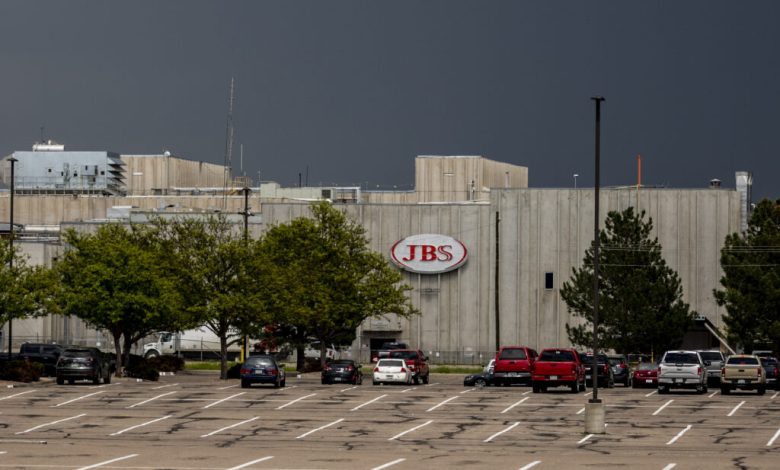
A potential strike at a major Colorado beef processing plant is adding uncertainty to this week’s cattle market.
The union representing workers at the JBS USA beef plant in Greeley, Colorado has issued a required seven-day notice canceling its contract extension, meaning workers could strike as soon as March 16.
The plant employs about 4,000 workers and is represented by United Food and Commercial Workers Local 7. Union President Kim Cordova said the union is seeking higher wages and protections against rising health care costs.
“For months now, JBS has been insisting on poverty-level wages for workers at the plant,” Cordova said in a statement, adding the company’s proposed wage increases would fall short of keeping pace with inflation in Colorado.
The current labor contract expired last July. Union members voted in February to authorize a strike if negotiations failed.
JBS said it negotiated with the union for eight months and believes its proposal is fair. The company said its offer aligns with a national agreement reached in 2025 with the union, which it says includes higher wages and a pension.
“We do not believe a strike is in the best interest of our team members or their families,” the company said in a statement, adding it would temporarily shift production to other facilities if a strike occurs.
The possibility of a strike has impacted recent cattle trade.
Cash cattle prices weakened late last week as packers slowed slaughter schedules. Southern live cattle traded about $4 lower, while northern dressed cattle fell about $3.
Market analysts say the Greeley plant’s buying slowdown could add further pressure this week. The plant has indicated it will not purchase cattle ahead of a potential strike, which could weigh on cash cattle trade.
Even if a strike occurs, JBS said it plans to maintain supply by shifting production to facilities with excess processing capacity.