Asian stocks edge up as oil declines, dollar falls
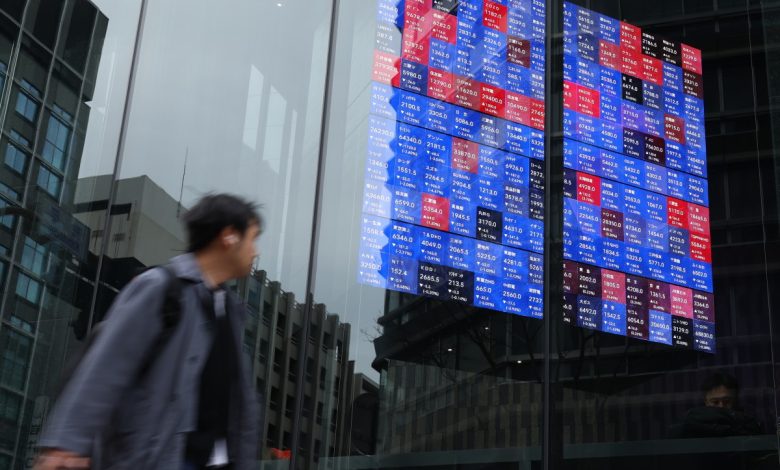
The MSCI Asia Pacific Index rose 0.1%, while stocks in South Korea advanced 1%. Equity-index futures for the US also rose 0.4%.
(March 16): Asian stocks advanced after oil erased its earlier gains as markets attempted to stabilise following the US strike on Iran’s main export hub. The dollar also weakened.
The MSCI Asia Pacific Index rose 0.1%, while stocks in South Korea advanced 1%. Equity-index futures for the US also rose 0.4%. US President Donald Trump also said on Iran that they were talking and he was not yet declaring a victory.
Brent erased earlier gains to trade around US$103 a barrel. The commodity rose at the open after the US bombed military targets on Kharg Island, the terminal that handles almost all of Iran’s oil exports.
The US strike on Kharg had threatened to inject fresh volatility into energy markets already grappling with some of the biggest swings in oil in decades. Oil’s surge since the war began has rippled across asset classes, pushing Treasury yields higher on inflation concerns, lifting the dollar and weighing on global equities.
Trump said late Friday that US forces struck military targets on Kharg Island and warned attacks could expand to energy infrastructure if Tehran interferes with transit through the Strait of Hormuz. Traffic through the narrow waterway has nearly halted since the war began, and Iran’s supreme leader said the strait should remain shut if the conflict continues.
Meanwhile, the International Energy Agency indicated oil from an unprecedented stockpile release will be made available immediately in Asia as buyers scramble to replace disrupted Middle East supply.
On Sunday, Kevin Hassett, head of the White House’s National Economic Council, said the Pentagon estimates that the Iran mission could take four to six weeks to complete and that the US is ahead of schedule.
Inflation risks are likely to be a key focus for markets this week as eight of the world’s 10 major central banks deliver policy decisions. The Reserve Bank of Australia is expected to raise rates for a second straight month, while other policymakers may hold steady as they wait for clarity on how long the conflict will last.
Market stress is building at the fastest pace since April’s tariff shock. A Bank of America Corp index of options-implied volatility across equities, rates, currencies and commodities jumped last week to a level just below its peak reached during the turmoil triggered by Trump’s rollout of aggressive levies 11 months ago.
Brent crude, the global benchmark, has surged 40% since the end of February, prompting investors globally to reassess risk with the fighting now in its third week. Global stocks have slid more than 5% since the war broke out, led by Asian markets. The S&P 500 Index has declined three straight weeks and sits 5% below a record reached in January.