Gold Slides on Liquidity Stress, Global Tensions
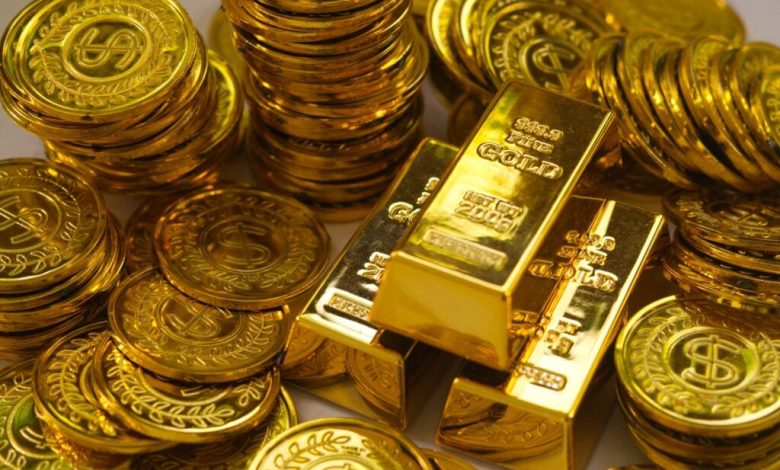
Gold’s deep slide since a stellar beginning in January has unnerved investors. The yellow metal typically served as a haven asset in conflicts, yet amid war in the Middle East and disruptions to commodity flows, it reached a 25% drawdown.
For Paul Wong, Sprott’s Managing Partner, the move says less about weakening conviction in the metal than a system suddenly short of cash.
“Gold is being sold because liquidity is being raised, not because its role as a strategic asset has diminished,” he wrote.
Wong notes how the unwinding of short-dollar trade has worsened the decline. He sees a systemic reduction in exposure tied to higher rates, firmer dollar, and capital rotation into energy.
The closure of the Strait of Hormuz during the Iran-linked conflict has added another layer by disrupting about 20% of global oil shipments, squeezing reserve accumulation in Gulf states that had been among the buyers helping support bullion.
That reserve-flow story matters because, since the freezing of Russia’s foreign exchange reserves in 2022, sovereign buyers have been shifting away from Treasuries and toward gold.
“Gold has become more tightly linked to reserve accumulation by central banks, sovereigns, and sovereign wealth funds than to traditional portfolio flows, he wrote.
Yet when those flows slow, prices can fall abruptly despite the intact longer-term case. China has stood out as an exception, with ETF inflows rising and Shanghai premiums reaching 4.4% above London spot.
The Conflict Delay
Beyond the paper-market story, the same geopolitical shock is spilling into capital expenditure planning. It is now delaying future commodity supply.
While investors are selling gold to meet immediate liquidity needs, geopolitical strain is making it harder to bring the next large-scale asset online.
Bank Expansion Unhindered
The bank’s decision is a reminder that, despite a loss of luster, London still offers institutional depth, clearing infrastructure, and a concentration of stored metal.
Photo courtesy: Shutterstock