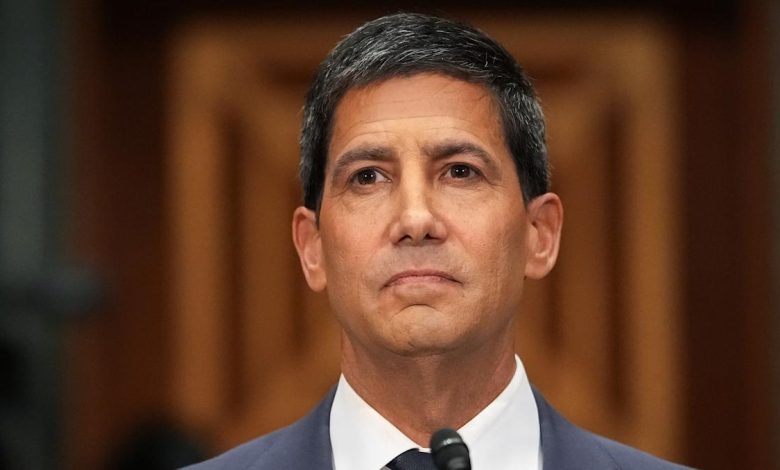
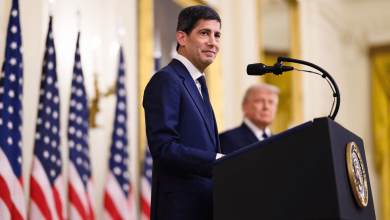
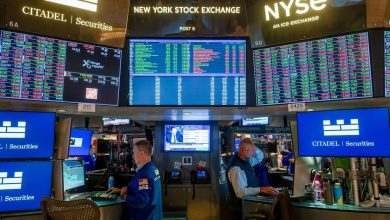
President Donald Trump’s hand-picked nominee for Federal Reserve Chair, Kevin Warsh, took over from Jerome Powell on Friday, May 22 — and he’s landed in the hot seat. The Wall Street Journal calls the situation — replete with an ongoing war, tariffs and other inflationary pressures — “a dangerous brew (1).”
Like Trump, Warsh wants to lower interest rates. Like Powell, his hands may be tied.
Must Read
The Fed cut the benchmark interest rate three times in 2025 (2). Powell held them steady (3) in 2026, unchanged in April at his last press conference. Normally that would mean long-term borrowing costs for things like mortgages — based on Treasury bond yields — would hold steady, too.
But since the outbreak of the Iran war, the 10-year Treasury yield has been nudging above 4.4%, affecting everything from mortgages to retirement portfolios and returns on everyday savings (4).
Understanding the current disconnect matters to almost everyone with money on the line.
Inflation, war and government debt driving up bond yields
When the government needs to borrow, which it does all the time, it sells Treasury bonds. Investors — including financial institutions like banks — buy those bonds and get a guaranteed return of interest payments over a set period of time.
The Fed controls the benchmark interest rate, but not the 10-year Treasury yield, which is set by millions of investors weighing inflation, fiscal sustainability, and global capital flows.
They demand a certain rate of return in exchange for the risk of holding U.S. government debt. Right now they want higher compensation, what economists call a “term premium (5).” They are anxious about inflation and the U.S. government’s ability to maintain its current spending path without blowing up the debt.
Those concerns are valid. The Iran war has pushed oil prices well above $90 a barrel, which feeds into inflation and makes it harder for the Fed to keep rates low, according to Treasury‑market analysis from March (2) by the consulting firm RSM International.
Meanwhile, the U.S. government is spending over $970 billion a year in interest to service its debt, according to the Peter G. Peterson Foundation (6). As that debt matures and gets refinanced at today’s higher rates, that figure will only grow.
And that leads to what’s known as the doom loop. Higher Treasury bond yields result in higher interest on debt, which widens the deficit, forcing the government to issue more bonds to cover the shortfall. That pushes yields higher again and raises interest costs even more. A truly vicious cycle.
The Congressional Budget Office projects (7) that federal debt held by the public will climb from 101% of GDP to 120% of GDP by 2036, when interest payments will hit $3.1 trillion annually
When investors buy 10‑year Treasuries today, they’re essentially being asked to trust that this path is manageable, but the term premium shows how much, or how little, they believe it is.
Read More: Here’s the average income of Americans by age in 2026. Are you falling behind?
What the Fed rate and Treasury yields mean for you
This increase in the bond market may affect average Americans in three ways:
Mortgage rates are rising
Mortgage rates tend to follow the 10-year Treasury yield. Anyone buying a home or refinancing right now is feeling the hit of rising Treasury yields directly in the pocketbook.
Credit card and auto loan interest remain high
Credit card rates and auto loans are tied more to the Fed’s policy rate and broader credit conditions. If Warsh’s hands are tied by ongoing inflation — meaning he can’t lower interest rates — consumer debt levels could remain elevated.
Savings accounts see better yields
There is one upside. High-yield savings accounts, money market funds, and short-term Treasuries are offering real returns in this environment.
Treasury Inflation-Protected Securities can help if inflation stays hotter than expected (8). Funds like the iShares 0-3 Month Treasury Bond ETF (9) (SGOV) which tracks short-term U.S. Treasury bonds are yielding above 4.3%.
If you have retirement money in long-duration bond funds, consider reducing some of that exposure, since rising yields can drag those funds down. Moving part of your fixed income into shorter-maturity bonds can lower interest-rate risk while still keeping you invested in bonds.
The bigger picture is that the doom loop is not necessarily permanent. It can ease if inflation cools or if Washington shows real fiscal restraint.
For now, though, the market needs to see proof that conditions are improving. That is the backdrop Warsh is walking into, and it’s the signal investors will be watching in his first months as Fed chair.
You May Also Like
Join 250,000+ readers and get Moneywise’s best stories and exclusive interviews first — clear insights curated and delivered weekly. Subscribe now.
Article Sources
We rely only on vetted sources and credible third-party reporting. For details, see our ethics and guidelines.
The Wall Street Journal (1), (4); RSM US (2); U.S. Bank (3); Federal Reserve Bank of St. Louis (5); Peter G. Peterson Foundation (6); Congressional Budget Office (7); U.S. Department of the Treasury (8); iShares (9)
This article originally appeared on Moneywise.com under the title: New Fed Chair Kevin Warsh faces ‘doom loop’ of debt and inflation. What’s going on in the bond market?
This article provides information only and should not be construed as advice. It is provided without warranty of any kind.