Emerging market central banks drive historic gold purchases as de-dollarization accelerates
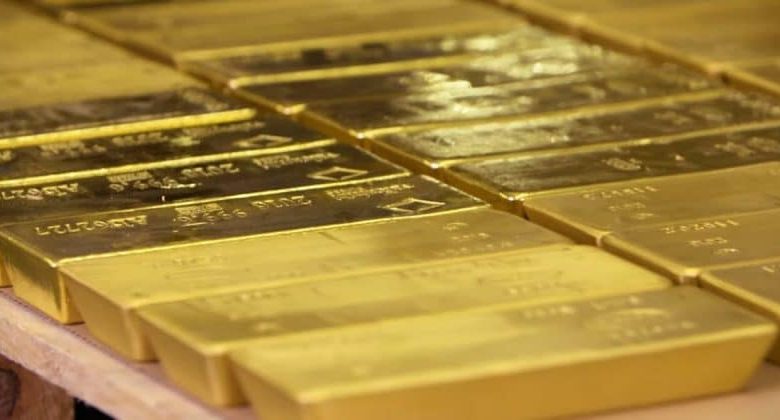
For three consecutive years, central banks across emerging markets have been buying gold like it’s going out of style. Except the opposite is happening: gold is very much in style, and the dollar is the thing they’re quietly moving away from.
From 2022 through 2024, net official-sector gold purchases exceeded 1,000 tonnes every single year, roughly double the 400-500 tonne annual average from the previous decade. That’s not a blip. That’s a structural shift in how sovereign nations think about reserves.
The numbers tell the story
Central banks purchased 1,082 tonnes of gold in 2022, 1,037 tonnes in 2023, and 1,045 tonnes in 2024. The consistency is the point. This isn’t a panic buy after one geopolitical crisis. It’s a sustained, deliberate reallocation.
The pace has moderated slightly, with 2025 purchases projected at approximately 863 tonnes. But the trend carried into early 2026 with force.
In Q1 2026, net central bank gold demand hit 244 tonnes, a 17% increase quarter-over-quarter. Poland led the charge with 31 tonnes, followed by Uzbekistan at 25 tonnes.
China added 8 tonnes in April 2026 alone, its highest monthly addition since December 2024. That purchase extended an 18-month buying streak.
The BRICS+ bloc has accounted for over 50% of all global central bank gold purchases between 2020 and 2024. Their collective share of world gold reserves climbed from 11.2% in 2019 to 17.4%.
De-dollarization is the quiet engine
When the US froze Russian central bank assets in 2022, it sent a clear message to every non-aligned nation: dollar reserves can be weaponized. The gold-buying spree that followed wasn’t coincidental.
A World Gold Council survey adds another layer. Some 45% of surveyed central banks said they plan to increase gold holdings in the coming year. Among emerging and developing economies, that figure rises to 53%.
Tether enters the gold game
Tether reportedly holds over 116 tonnes of gold reserves, used to back both its USDT stablecoin and its gold-pegged XAUt token. To put that in perspective, 116 tonnes eclipses the gold reserves of many nation-states. A private company that started as a crypto plumbing utility now holds more gold than some central banks.
What this means for investors
The sustained nature of central bank gold buying creates a structural floor under gold prices that didn’t exist a decade ago. When sovereign buyers are absorbing over 1,000 tonnes a year, and more than half of emerging market central banks signal they want even more, the demand side of the equation looks durable.
China’s gold reserves as a percentage of total reserves remain far below Western central bank levels. If Beijing decides to close that gap aggressively, the supply-demand dynamics for gold could tighten considerably.