The 10-Year Treasury Yield Just Topped 5% for the Second Time in Almost 20 Years. Is This Turning Point a Warning for Your Portfolio?
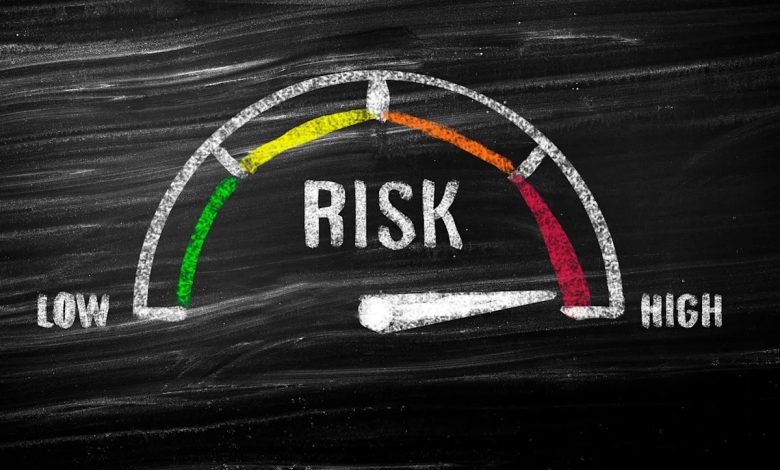
The bond market has been in full focus recently. There is a lot for investors to unpack.
On Sept. 16, the Kevin Warsh-led Federal Reserve raised the federal funds rate by a quarter of a percentage point to a range of 3.75% to 4%. This was the first rate hike since July 2023. Fighting inflation is the central bank’s current priority.
Missed Nvidia in 2009? This Rare Signal Is Flashing Again. In 2009, a “Double Down” signal flashed for a little-known chipmaker called Nvidia. For the first time in years, that same “Total Conviction” signal is flashing for a company 1/100th the size of Nvidia. Continue »
Despite the benchmark rate remaining unchanged for more than three years, inflationary pressures, as well as concerns about the sustainability of the U.S.’s massive $40 trillion federal debt burden, have increased risk in investors’ eyes. The U.S. 10-year Treasury yield has soared 21% in the past 12 months (as of Sept. 17).
To alleviate market worries, Treasury Secretary Scott Bessent has implemented buybacks of long-dated Treasuries. This course of action isn’t common historically. And it hasn’t helped.
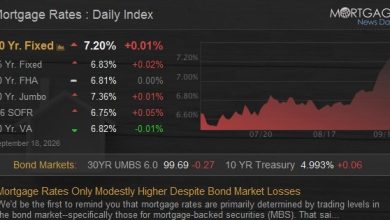
The U.S. 10-year Treasury yield topped 5% on Sept. 15 (it has since fallen to 4.947%). This was only the first time since 2007 that it closed at this level, with October 2023 being the most recent intraday occurrence. Stock investors who have never spent any time thinking about fixed-income securities might now be wondering how this affects their holdings.
Is the Treasury market issuing a warning for your portfolio?
Higher yields, stocks, and the economy
Investors have been focused on inflationary pressures. This has been top of mind since earlier this year, when the Iran war started in late February. Energy prices have gone up.
As a result, the Consumer Price Index has stayed well above the Federal Reserve’s 2% target. This drove the central bank’s decision to raise the fed funds rate, with another hike possible before 2026 ends.
Higher inflation expectations push investors to demand higher returns to preserve their purchasing power. This can partly explain why the 10-year Treasury yield has risen by so much.
All else being equal, higher yields can be a drag on stocks. First off, they can pressure equity valuations, especially for high-growth companies that have greater potential earnings power far into the future. Analysts raise the discount rates in their calculations, which reduces the present value of these stocks.
From an individual investor’s perspective, a nearly 5% risk-free yield over a 10-year time horizon can be a compelling proposition. Capital could flow to these opportunities at the expense of stocks. This can be the case for those interested in dividend-paying enterprises.