Why the White House’s Push to Control Bond Markets Is Destined to Disappoint Investors
With enough gumption, the White House and the Treasury Department can try to nudge the bond market in its preferred direction. In August, the Treasury said it would at least double its long-bond buybacks to $4 billion or more each through Nov. 4. Partially in response to that, the yield on the 10-year Treasury note shot upwards, and as of Sept. 18, it’s at 5%. That’s up from just below 4% before another driver of higher yields, the Iran war, was initiated by the U.S. and Israel in late February.
Treasury Secretary Scott Bessent is trying to fight the tide by buying back debt to keep yields lower. There’s no way that this strategy could work for long, and it’ll lead to disappointing outcomes for some investors who are hoping for bond yields to decline. Here’s why.
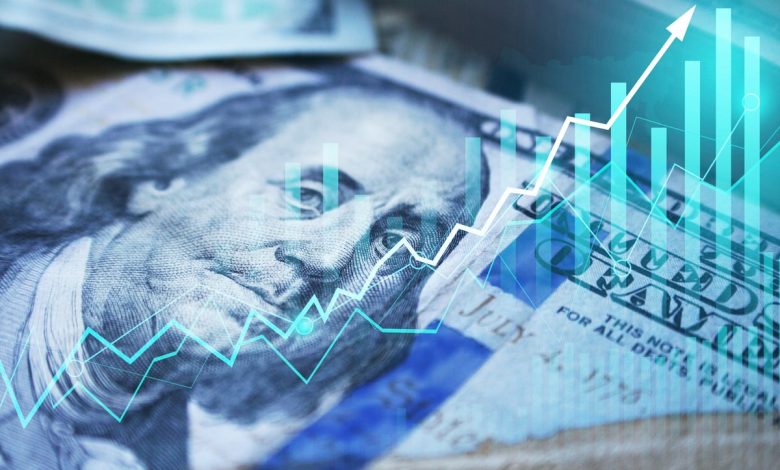
Image source: Getty Images.
Treasury’s bigger buybacks could total at least $30 billion by November
In a nutshell, yield is the annual return that lenders demand for putting their capital at risk, and thus, rising yields constrain the prices of existing bonds, like those inside the iShares 20+ Year Treasury Bond ETF (TLT -0.65%) exchange-traded fund (ETF), which has a negative total return of 3.2% this year so far. Note that if lenders are demanding directionally higher compensation for the money they’re loaning out, the Treasury’s choice to buy back bonds in hopes of lifting prices and pushing yields down would — if it worked — result in their demands not being met.
And that’s why, per Bloomberg, Treasury’s Sept. 9 announcement of a $6 billion operation failed to steady the $32 trillion bond market as oil prices surged. Before that, in August, CNBC reported that investment strategists were blaming the long-bond sell-off that has been occurring since June on factors like the U.S. government’s growing budget deficit, persistent above-target inflation, and a high level of ongoing corporate borrowing.

iShares Trust – iShares 20+ Year Treasury Bond ETF
Today’s Change
(-0.65%) $-0.53
Current Price
$81.25
Key Data Points
AUM
$47B
Dividend Yield
4.79%
Expense Ratio
0.15%
In other words, investors are asking for extra interest as compensation for the fact that their dollars will soon buy less than they did before. More bond buybacks won’t address that issue.
What do the buybacks mean for mortgage rates and stock prices?
Investors hoping to borrow capital at lower rates than are prevailing today are, unfortunately, probably going to be disappointed.
For instance, mortgage rates tend to track the 10-year Treasury yield, which is likely going to rise. Freddie Mac data indicates that the average 30-year fixed rate was 6.95% on Sept. 18.
On Sept. 16, the Federal Reserve raised its benchmark federal funds rate by a quarter point, its first hike in three years. Yields eased slightly the next day, with the 10-year Treasury at 4.94%. Buybacks can’t offset a rising policy rate, since they target long-dated bonds while the Fed sets short-term rates.
The stock market may also not fare very well while bond yields are higher. Generally, higher yields make bonds as an asset class look more appealing. If investors can collect solid returns from bonds, which are typically much safer investments, there’s less reason to put money at risk in stocks. And when money flows out of stocks, their prices tend to decline.
Today’s Change
(0.17%) +12.74
Index Level
7,650.50
Key Data Points
Day’s Range
7,610.52 – 7,657.17
52wk Range
6,316.91 – 7,816.70
For now, investors should remember to keep an eye out for the Nov. 4 refunding update from the Treasury.
If the Treasury enlarges its bond buybacks again and the 10-year Treasury yield still holds near 5%, it will show that the market is winning the tug-of-war on rates, in which case, borrowing costs will likely keep rising.