BOJ should signal clear rate path after June hike, SMFG markets chief says | The Mighty 790 KFGO
By Makiko Yamazaki and Miho Uranaka
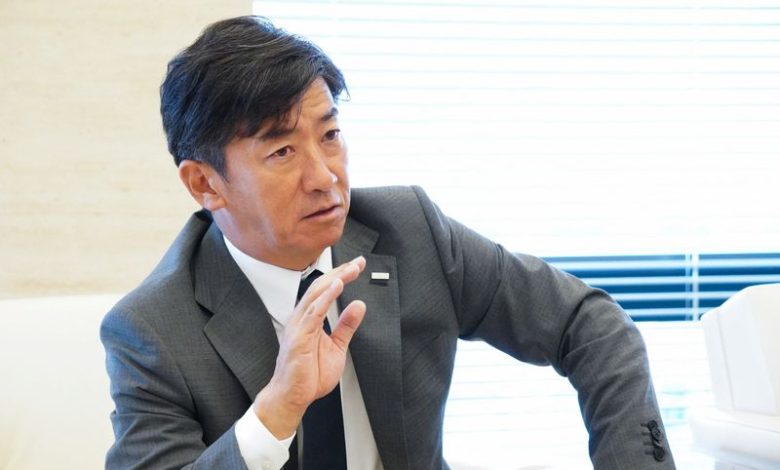
TOKYO, June 2 (Reuters) – The Bank of Japan should lay out a clear path for policy normalisation after a widely expected rate hike this month to stabilise the bond market, Sumitomo Mitsui Financial Group’s global markets chief, Arihiro Nagata, told Reuters.
The call for clearer guidance from Japan’s second-largest banking group comes as the 10-year government bond yield has hit 30-year highs, while the yen has weakened back toward the psychologically important 160-per-dollar level despite massive intervention.
“The BOJ should raise interest rates in June, and I expect it will – surely this time,” Nagata said in an interview, adding that the key point of the BOJ’s June 15-16 meeting is how clearly it signals its policy path toward normalisation.
“The more clearly it lays out that path, the more the room for further increases in long-term interest rates will likely diminish,” he said.
Nagata added that it would be sufficient for the BOJ to simply signal that it sees little discrepancy with market expectations, which already price in nearly two rate hikes this year and, to some extent, further tightening beyond.
The BOJ kept interest rates steady in April, but strongly signalled the chance of a near-term hike due to mounting inflationary pressures.
The Middle East conflict has complicated the BOJ’s decision on the timing and pace of rate hikes, as higher energy costs both lift inflation and weigh on Japan’s import-dependent economy.
At its June meeting, the BOJ will review its bond taper plan running through March next year and lay out a new plan for fiscal 2027.
With no change expected to the existing taper plan, markets are focusing on whether the BOJ would keep reducing its monthly bond purchases in fiscal 2027 or maintain the current pace.
Nagata said his bank has proposed that the BOJ halt further tapering and keep monthly purchases at around 2.1 trillion yen ($13.15 billion) from April next year.
Reducing purchases to that level “would be manageable without causing stress in the market, while allowing market functioning to recover,” he said.
Regarding its own portfolio management, he said the firm would be willing to buy long-term bonds if yields reach around 3%, but investment decisions will be made carefully by assessing overall market supply-demand conditions.
($1 = 159.6400 yen)
(Reporting by Makiko Yamazaki and Miho Uranaka; Additional reporting by Anton Bridge; Editing by Sonali Paul)