CCTV Script 26/08/26

– This is the script of CNBC’s financial news report for China’s CCTV on AUG 26, 2026.
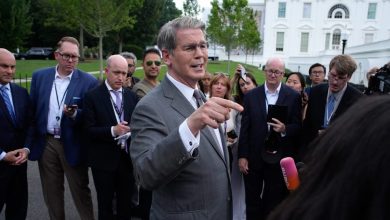
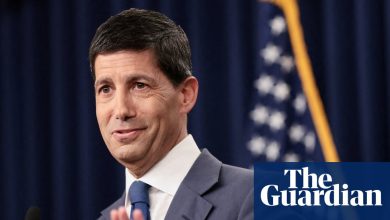
Recently, market skepticism surrounding U.S. Treasury Secretary Bessent’s intervention in the bond market has been mounting. Most notably, Druckenmiller—Bessent’s former investment mentor and one of Wall Street’s most respected macro investors—published an article publicly questioning the effectiveness of these intervention measures.
Druckenmiller and Bessent share a close relationship; in the early 1990s, both worked alongside George Soros to engineer the famous short trade against the British pound. Recently, however, Druckenmiller issued a warning in an article for The Wall Street Journal, stating that unless the U.S. enforces fiscal discipline, attempting to artificially depress U.S. Treasury yields through intervention could not only disrupt the market, but also damage the Treasury Department’s credibility.
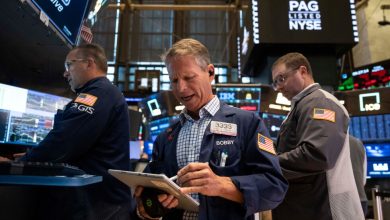
Wall Street currently harbors widespread concerns regarding whether the Treasury possesses sufficient “firepower” to continuously keep yields down given the sheer size of the Treasury market. In 2025 alone, the U.S. government issued roughly $4.8 trillion in debt, and total issuance could expand even further this year.
PETER BOOCKVAR
Chief Investment Officer
One Point BFG Wealth Partners
The problem with that is, is the market is much bigger than he is. And Druckenmiller saying, just let the market price the level of rates that it believes it should go, because in the piece he said, whenever a government is going to try to fix the price, they’re always going to lose against the market.
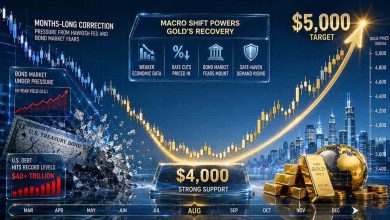
As market anxiety over the scale of the U.S. fiscal deficit and borrowing costs continues to build, the “debasement trade” is regaining momentum on Wall Street.
The “debasement trade” refers to a strategy where investors—driven by fears of dollar and U.S. Treasury devaluation amid expanding government spending and rising fiscal risks—turn to assets like gold to preserve value.
Since August, spot gold prices have surged nearly 15%, putting gold on track to record its largest single-month gain since September 1999. During early Asian trading hours today, spot gold was hovering around $4,656 per ounce.
This week, Deutsche Bank analyst Michael Hsueh noted in his latest report that gold prices could breach his target price of $4,800 per ounce.
Rising bond yields also present a fresh challenge for Federal Reserve Chair Warsh. Although the Fed directly sets short-term interest rates, its policy signals influence inflation and rate expectations, which in turn impact long-term U.S. Treasury yields. This week, Warsh will make his debut at the Jackson Hole Economic Symposium, with the market closely monitoring the policy signals he will deliver.
RICK RIEDER
CIO of Global Fixed Income
BlackRock
I just think we need to know the reaction function. I just think we need to know what are you looking at. What is important to you today? Is it more inflation? Is it more employment? Are you looking at? By the way, there’s a series of indicators in employment. Are you looking at demand, supply? Are you looking at a whole series of different indicators to get some clarity on that? Then markets can do their job in interpreting it and putting a price on that.
Analysts told CNBC that Warsh could deliver a hawkish signal at this week’s meeting. Meanwhile, the CME FedWatch Tool shows that the market currently places a slightly over 50% probability on the Fed raising rates at its October policy meeting. We will continue to keep you updated on further developments!