Crude shock temporary; pharma and EMS are the real bets: Abhay Agarwal
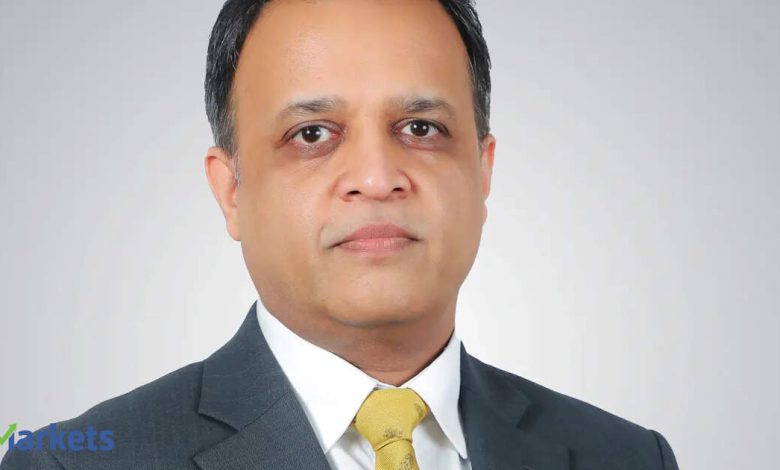
As geopolitical tension over the Strait of Hormuz rattles global markets, India’s equity investors are on edge. But Agarwal is holding firm — and even hunting for entry points in the dip. In a wide-ranging interview with ET Now, he laid out why volatility is an opportunity, not a threat, and which sectors are primed for the next leg of growth.
Crude at $100: alarm or overreaction?
Agarwal is blunt. The spike from $60 to over $100 is being driven almost entirely by fears of a Hormuz Strait closure, not by any structural shift in supply or demand. He draws a parallel to COVID-era negative crude prices as proof of how violently sentiment can swing — in both directions.
“Once the crude supply comes on track, we will see prices going back to $60–70 where they have been for a long time.”
His timeline: resolution within 7 to 10 days. He also flags an overlooked silver lining — if petrol prices do eventually rise at the pump, it will accelerate EV adoption, which itself dampens long-term crude demand. The auto-balancing mechanism, he argues, is already baked into the system.
Three sectors Piper Serica is actively backing
While macro noise dominates headlines, Agarwal says the current results season is quietly validating several of the fund’s core theses. He names three sectors where conviction has grown sharply.
In pharma, the focus is on niche generics exporters and CDMO players benefiting from a global preference to source specialised medicines outside China. He cites Sun Pharma‘s recent large acquisition as a signal that Indian pharma is now deploying cash flows for international scale, not just domestic consolidation.On EMS, Agarwal acknowledges the price volatility in young companies but calls it the price of entry for a sector building leadership positions in defence electronics, surveillance hardware, and EV components — all of which India is now mandating be manufactured domestically. His fund has held four EMS stocks for four years and continues to add.
For smaller banks and NBFCs, recent results have reinforced the thesis, even as larger private sector banks face what he sees as a meaningful earnings risk tied to raw material exposure and low innovation.
Mid and smallcaps to outrun largecaps
Perhaps his most pointed call: IT services majors and large private banks are at genuine earnings risk over the next few quarters. The companies he sees as immune — or even positioned to benefit from disruption — are higher on the innovation curve, and overwhelmingly sit in the mid and smallcap space.
His message to investors willing to hold through near-term volatility is consistent: leadership positions in high-growth sectors are already forming, and the window to build positions at reasonable prices may not last long.