Inside the Gold Fraud Case That Shook Casablanca’s Sbata Market
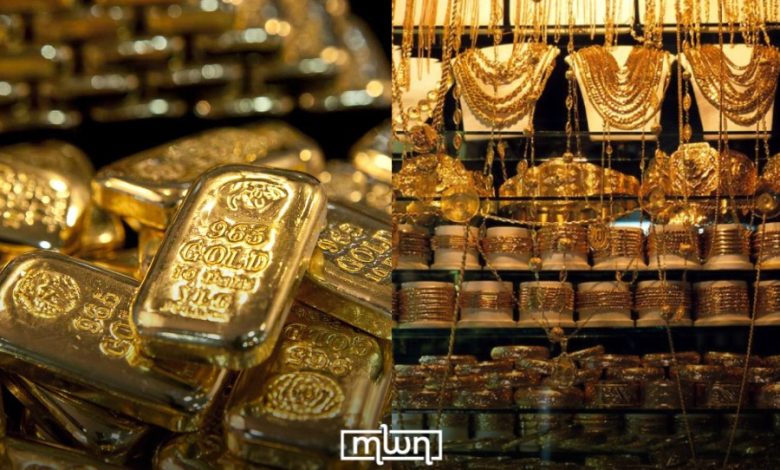
Casablanca — A gold fraud case that emerged in Casablanca’s popular Sbata market earlier this year prompted dozens of complaints from customers who said they had purchased jewelry that later turned out not to be genuine gold.
Women continued to file complaints with security services in Casablanca after discovering that jewelry bought from a well-known store in the market was allegedly made of gold-plated materials or silver coated with gold rather than solid gold. According to local reports, the number of complainants grew as more customers came forward.
Investigators found that the affected customers had spent large sums of money on jewelry and ornaments before learning that the products were not what they had been advertised to be. Authorities launched efforts to locate the trader at the center of the case after he reportedly disappeared and closed the store once the allegations became public. A nationwide search warrant was subsequently issued.
According to converging reports, the suspect relied on the long-standing reputation of the shop within the market. Customers received official invoices bearing the store’s name, while some of the jewelry allegedly lacked the legally required hallmark or carried counterfeit stamps, helping create the impression that the products were genuine.
Broader scrutiny of Morocco’s gold market
The case unfolded amid broader concerns about fraud in Morocco’s gold market. Authorities have recently carried out a series of inspections and enforcement operations targeting suspected irregularities in the trade. Customs services in Khenifra seized more than 1.5 kilograms of gold as part of monitoring linked to suspected activity in the informal market.
Similar operations in Kenitra targeted several shops over suspicions related to forged hallmarks, tampering with gold bars, unregulated sales, and tax evasion. The National Customs Brigade also conducted inspections in Sidi Slimane as part of efforts to verify compliance with standards governing precious metals.
Speaking to 2M, Idriss El Hazzaz, president of the Moroccan Federation of Jewelers, described the case as outright fraud and deception rather than ordinary commercial malpractice. He said the incident should be viewed as an isolated case and noted that such occurrences are rare. He also stressed that the affair should not damage the reputation of Morocco’s roughly 40,000 gold traders.
The case also renewed discussion about the sale of jewelry through online platforms, where products are increasingly marketed through social media and live-streaming sessions. Industry representatives say some sellers use attractive prices, misleading images, and, in certain cases, non-compliant hallmarks to market products to buyers searching for lower-cost gold.
Morocco World News is also on X — check out our latest posts now! Get MWN on iOS and Android for instant access to breaking news.