oil price today: Why are oil prices down while gold and silver prices up today? Reasons behind crude oil fall, precious metals rally, analyst insights and market outlook
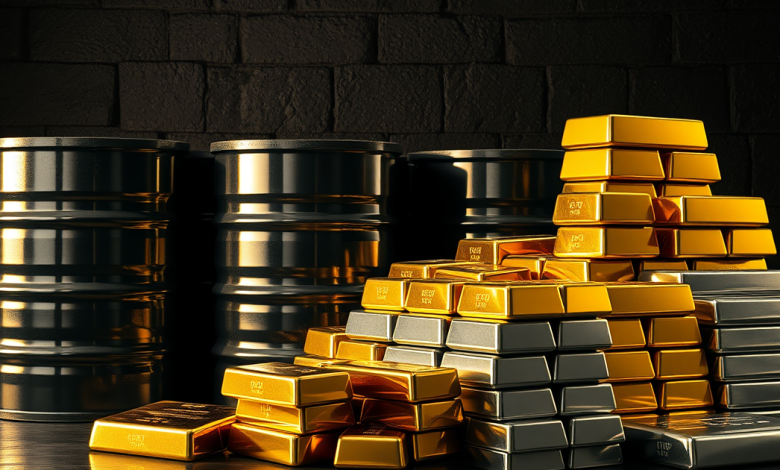
Why are oil prices down while gold and silver prices up today?
The movement in oil and precious metals is linked to expectations about inflation and interest rates. When oil prices rise sharply, transportation and energy costs usually increase. This can push inflation higher and force central banks to keep interest rates elevated. However, the recent drop in oil prices has changed market expectations.
Investors now believe lower energy costs could ease inflation pressures. As a result, markets have reduced expectations that the U.S. Federal Reserve will raise interest rates later this year. Gold benefits when interest-rate expectations decline because it does not pay interest. Lower rates reduce the opportunity cost of holding gold, making the metal more attractive. Silver often follows gold during such periods, which helped support silver prices as well.
Why are oil prices down?
Oil prices recorded another sharp decline as investors focused on reports that a proposed agreement between the United States and Iran could help end tensions in the Middle East. Brent crude futures fell by 5.1% and settled at $78.96 per barrel. U.S. West Texas Intermediate (WTI) crude futures declined 5.8% to $76.05 per barrel. These were the lowest closing levels for Brent crude since March 2 and for WTI since March 4.
The main reason behind the decline was growing optimism that the Strait of Hormuz could reopen. The strategic waterway carries about 20% of global oil supplies. Since the conflict involving the United States, Israel, and Iran intensified, concerns about supply disruptions had pushed oil prices higher. Markets now believe that an interim agreement could extend an existing ceasefire and allow Iran to resume oil sales. This possibility has increased expectations of greater oil supply in global markets.
Why are gold and silver prices up today?
Gold prices climbed more than 1% during trading. Spot gold rose 0.8% to $4,338.86 per ounce. U.S. gold futures for August delivery settled around 0.1% higher at $4,354.40 per ounce. Market participants pointed to changing expectations regarding Federal Reserve policy.
According to market estimates, expectations for a December rate hike have declined compared with the previous week. Investors now see a lower probability that policymakers will need to tighten monetary policy.Analysts noted that lower oil prices helped reduce inflation concerns, which in turn supported gold prices. Gold has traditionally been viewed as a store of value during periods of uncertainty. However, it often struggles when interest rates remain high because investors can earn returns from interest-bearing assets. With rate-hike concerns easing, gold received support from investors.
Silver also moved higher during the trading session. Spot silver rose 0.3% to $70.22 per ounce. Other precious metals posted gains as well. Platinum increased 2.8% to $1,816.65 per ounce, while palladium advanced 0.7% to $1,358.06 per ounce. The broader gains indicate that investors are increasing exposure to precious metals as expectations for future interest-rate increases decline.
Other reasons weighing on crude oil prices
Beyond developments in the Middle East, several additional factors contributed to oil’s decline.
Concerns about China
China remains one of the world’s largest oil consumers. Economic data showed uneven growth conditions in May. Chinese crude oil processing activity also declined by 9.1% from a year earlier, reaching its lowest level in nearly four years. Weak demand signals from China often create pressure on oil prices because they suggest slower consumption growth.
Possibility of Russia-Ukraine progress
Investors also reacted to comments suggesting renewed efforts toward peace discussions between Russia and Ukraine. If sanctions on Russia are eventually eased, additional Russian oil supplies could enter global markets. Increased supply expectations typically put downward pressure on prices.
Higher global interest rates
Central banks around the world continue to maintain relatively high interest rates. The Bank of Japan recently raised rates to their highest level in more than three decades. Higher borrowing costs can slow economic growth and reduce energy demand, creating another challenge for oil prices.
Will Brent, US WTI crude futures continue to drop?
Brent crude and U.S. WTI crude futures could remain under pressure in the near term if optimism surrounding the proposed U.S.-Iran agreement continues and the Strait of Hormuz reopens to normal shipping activity. Markets are also factoring in the possibility of increased Iranian oil exports and potential growth in Russian supplies if geopolitical tensions ease. In addition, concerns about slower demand growth in China and the impact of high global interest rates on economic activity are weighing on the outlook for crude. However, analysts caution that negotiations in the Middle East still face several challenges, and any setback in talks or new supply disruptions could quickly reverse the recent decline in oil prices.
Will precious metals rise to dream levels again?
Gold and silver could continue their upward trend if investors remain convinced that inflation pressures are easing and the U.S. Federal Reserve will avoid further interest-rate hikes. Lower oil prices have helped reduce concerns about rising consumer costs, which has improved sentiment toward precious metals. Gold also continues to attract buyers seeking protection from economic uncertainty and geopolitical risks, while silver is benefiting from both investment demand and industrial usage. Analysts say precious metals may test higher levels if central banks shift toward a more supportive policy stance, but future gains will depend on inflation data, interest-rate expectations, global economic conditions, and investor demand for safe-haven assets.
Analyst insights and market outlook
Analysts believe oil prices are currently responding to expectations rather than confirmed outcomes. While optimism surrounding the proposed U.S.-Iran agreement has improved market sentiment, several issues remain unresolved. Questions related to sanctions, compensation, shipping operations, and nuclear negotiations still need to be addressed.
Some experts warn that even if an agreement is finalized, it may take weeks or months for energy exports and shipping activity to fully recover. Major investment banks including Goldman Sachs, Morgan Stanley, and Citi have reportedly lowered their oil-price forecasts following the recent developments. For precious metals, analysts say future direction will depend heavily on Federal Reserve policy and inflation trends.
What should investors do now?
Investors may want to focus on several upcoming developments:
- Federal Reserve interest-rate decisions.
- U.S. inflation data.
- Progress in U.S.-Iran negotiations.
- Oil inventory reports.
- Economic data from China.
- Developments involving Russia and Ukraine.
Oil prices may remain volatile as markets assess whether increased supply expectations become reality. Gold and silver could continue receiving support if inflation pressures ease and interest-rate expectations remain stable. However, any surprise increase in inflation or policy tightening could affect precious metals. For now, the market is balancing lower energy prices, changing central-bank expectations, and geopolitical developments.
FAQs
Q1. Why are oil prices down while gold and silver prices up today?
Oil prices fell because investors expect the Strait of Hormuz to reopen and global supply to improve. Gold and silver gained as lower oil prices reduced inflation concerns and rate-hike expectations.
Q2. Will Brent crude and WTI continue to fall while gold rises?
Future moves depend on U.S.-Iran negotiations, global demand, inflation trends, and Federal Reserve decisions. Continued supply improvement may pressure crude, while lower rate expectations could support precious metals.