Royal Road Minerals is back, and so is Colombia
When a junior mining company’s largest shareholder decides to monetize its position, the market feels it immediately and the effects can linger long after the shares have changed hands.
That was the reality for Royal Road Minerals Ltd (TSX-V:RYR, OTC:RRDMF, FRA:RLU), a TSX-listed exploration company with assets spanning Colombia, Morocco, and Saudi Arabia. In March 2023, Agnico Eagle Mines, which had held an 18% stake since 2019, began exploring its exit options. The process took longer than anyone anticipated, and it was not until September 2025 that the position was fully resolved.
“A lot of people don’t understand what that does to an exploration company,” says Tim Coughlin, Royal Road’s CEO. “As soon as you approach the first broker confidentially, the world knows. And once the market knows there’s a large block looking for a home, that’s it. No one is buying shares from that point on.”
The timing was difficult. The share overhang arrived alongside Gustavo Petro’s 2022 election victory in Colombia, which sent a chill through the country’s extractive sector. Petro, a former M-19 guerrilla combatant turned politician, had campaigned on reducing Colombia’s dependence on fossil fuels and reasserting state and community control over natural resources.
What followed was a period of regulatory paralysis that hit junior exploration companies with disproportionate force: permit issuance stalled, license conversions became unpredictable, and investor capital retreated to the sidelines.
Royal Road found itself navigating three simultaneous headwinds: a hostile political climate in its primary jurisdiction, regulatory paralysis that made project advancement effectively impossible, and a share overhang that weighed on its market.
The company suspended most of its Colombian activity and turned its attention to early-stage work at its Moroccan asset, Lalla Aziza, and its Saudi project, Jabal Sahabiyah — both of which carried genuine potential, but the eyes were always on Colombia.
The block position took time to place. For two and a half years, the uncertainty hung over the company’s market.
Fortunes in Colombia began to shift in March 2024. A new president at Colombia’s mining regulatory agency brought a more pragmatic tone to the sector, and stalled processes started moving again. A key title conversion was completed in January 2025. By September of that same year, the overhang was resolved.
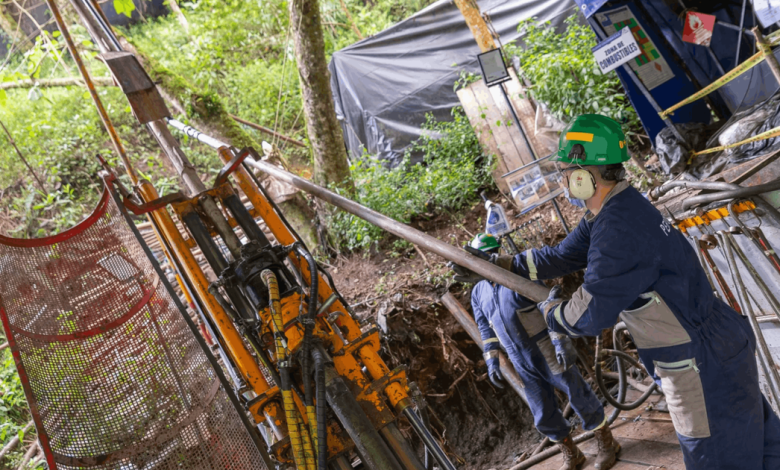
Royal Road began rebuilding from that point, underpinned by a quality asset base. Its flagship Colombian project, Güintar, sits within a land package that the company describes as among the best-licensed exploration portfolios in the sector. The ground was originally assembled and partially de-risked by AngloGold Ashanti before passing to Royal Road.
Coughlin, a self-described “vintage geologist” with 36 years of exploration experience, is unambiguous about what he believes the ground represents. “This is not a CEO speaking; it’s an exploration geologist speaking,” he said. “There’s nothing like this package of ground.”
The caveat is access. Social risk in the form of political unrest, artisanal mining controlled by criminal organizations, and areas effectively ungoverned means significant portions of the land package remain off-limits. In some cases, the grades are so high that gangs mine the veins artisanally, and there is no realistic path to access without state intervention.
What gives Coughlin confidence that Colombia’s trajectory is improving is not purely geological. The country is awake to it’s mineral potential and sensitive to the damage illegal mining and criminal groups do to its environment and economy. “Colombia has a really exciting future ahead of it, no matter who wins the upcoming election, — right wing or left wing.”
For investors weighing Colombia exposure, Coughlin declines to sugarcoat the risk. “I wouldn’t try to convince anyone that, no matter where you are in this industry, it’s low risk,” he said. “What I say is: buy your blue chip stocks, do all of that, but keep a high-risk, high-return allocation at one end of your portfolio — put that in us.”
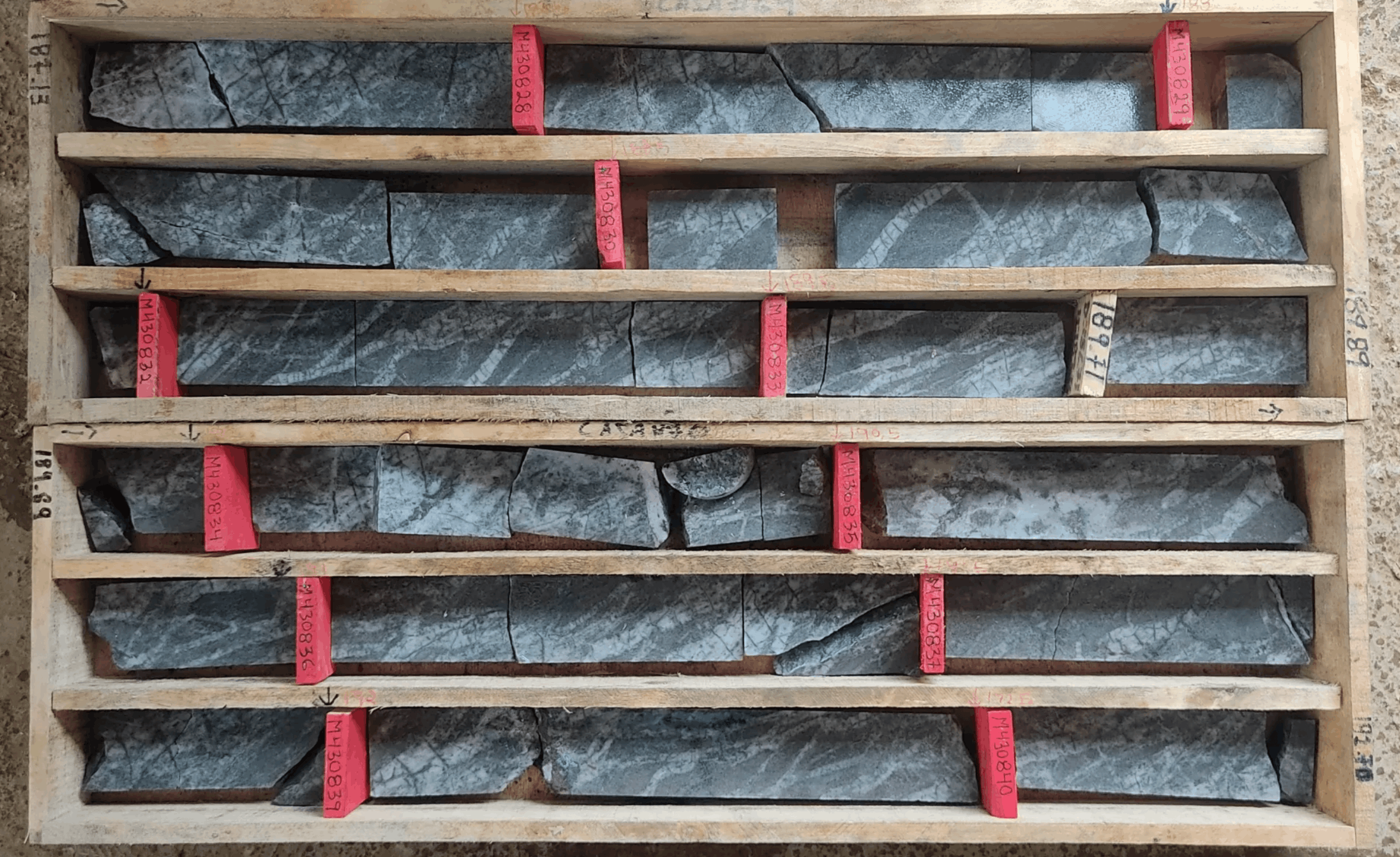
Backing that view, at least in part, is a shareholder list that most mining investors will recognize. Rob McEwen, the founder of Goldcorp and one of the sector’s most respected figures, holds approximately 9% of Royal Road. McEwen went on record as an investor as early as 2020, citing the company’s Colombian land package, its AngloGold-acquired ground, and its Mineros joint venture as reasons for his interest. “Colombia is a country famed for its historical abundance of gold,” McEwen said at the time.
Capital, Coughlin acknowledges, will likely flow back toward Colombia as conditions improve, pulling resources away from the company’s earlier-stage Moroccan and Saudi work. “There’s a certain inevitability about it,” he says. The company is in active discussions with potential partners or acquirers for both Lalla Aziza and Jabal Sahabiyah as it recalibrates its focus.
For now, Coughlin is heading out on the road to meet with retail investors he has known for years. What they will find is a company that never stopped believing in the ground beneath its feet. The overhang is gone, the regulatory environment is thawing, and a country that has spent years testing the limits of resource governance is, by most accounts, ready to turn the page. For a geologist who has spent 36 years looking for value in difficult places, that combination is more than enough reason to be back at the table.