How The Iran War Could Affect The Price Of Gold
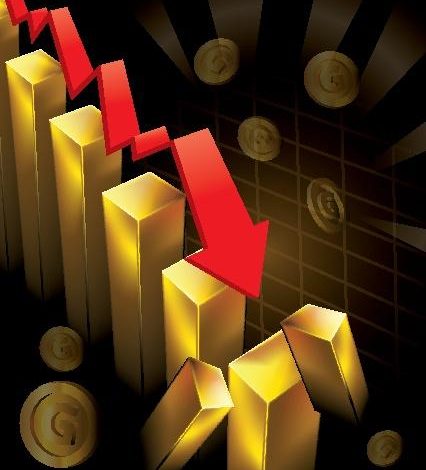
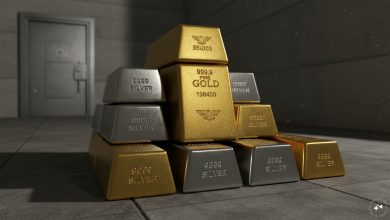
Is gold losing its luster? The price of the yellow metal has dropped from well over $5,000 earlier this year to $4,000 today. Better than any item on earth, gold keeps its real value and has done so for thousands of years. Gold is to measuring the worth of a currency what the North Star is to measuring direction. When the price of the yellow metal changes, it’s the value of currency that has changed. Gold is the constant.
What we’re experiencing is a rally in the value of the dollar, not a fall in the real worth of gold. The greenback has also gone up against other currencies.
Why the rally? The biggest factor is that since gold surged past $5,000 in January, the Trump Administration has stopped muttering about the need to devalue the dollar to reduce our trade deficit. Cheapening a currency is the very definition of monetary inflation. It’s always a formula for damaging an economy. Also helping is Kevin Warsh, the new Federal Reserve head, who is working to get our central bank focused on currency stability as the way to fight inflation, rather than depressing economic activity.
If the dollar has been getting stronger, why are interest rates going up on both short-term and long-term Treasury securities? The two-year Treasury, for instance, has jumped past 4%. The answer is supply and demand. The government is issuing boatloads of Treasurys to pay for our huge budget deficit and to refinance trillions of dollars in existing debt that is coming due. When the dollar was fixed to gold, the level of interest rates fluctuated, depending on market conditions.
But don’t break out the champagne on the greenback’s recovery from its lows. It has lost considerable value since 2022. Gold was then around $1,800 an ounce. Two years ago, it had moved up to $2,300; a year ago, $3,300. Today, the price of an ounce is still up more than 20% from last summer. What may well be happening here is the stock market equivalent of a bear market rally.
The ongoing Iran war may send energy prices higher. The Federal Reserve’s reactionaries are likely to then put pressure on Warsh to hike interest rates. He will resist, but the uncertainty will unsettle the debt markets.
Also there could be an international monetary crisis triggered by a panic hitting, say, the Japanese yen or the British pound. Japan’s national debt is proportionately twice our own. Its financial institutions are loaded with government debt that was issued with virtually no rate of interest, sharply reducing the value of that paper today. If the UK’s new prime minister acts half as radically as he has sounded, that will pound the country’s currency and curtail the government’s ability to sell bonds to pay its deficits.
Back in the mid-1980s, the dollar’s strength against other major currencies triggered a crisis that had Washington reducing the value of the greenback, a key factor that led to the stock market crash in 1987.
Gold is not an investment; it is insurance for financial troubles. Keep the insurance.