BRIAN KANTOR | The message from the government bond markets
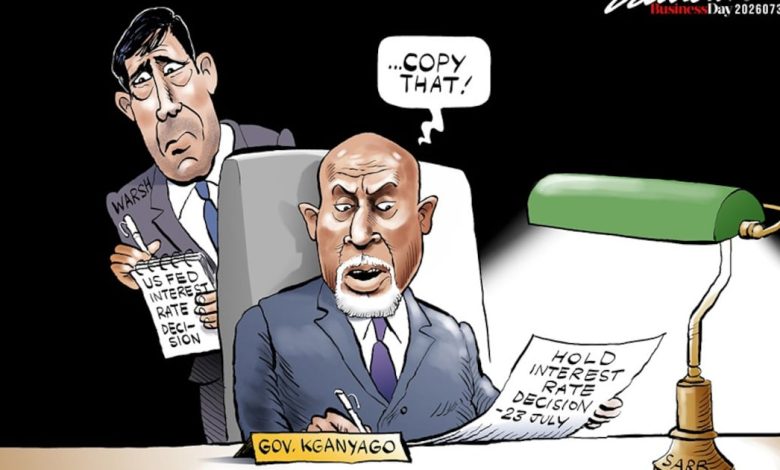
The US Federal Reserve and South African Reserve Bank surprised the markets after their recent meetings. The Fed, by providing less forward guidance than was expected, and the Bank by not raising short-term interest rates but still leaving expectations of higher short rates to come over the next 12 months largely unchanged.
Long-term bond yields in the US and South Africa immediately kicked higher but have since stabilised at higher levels in the US and returned to pre-meeting levels locally. The US market is pricing in a 58% chance of an increase in rates at its next meeting in September, while in South Africa short rates are expected to be about half a percentage point higher in 12 months. Expectations that in themselves are not helpful to the bond market.
This minor kerfuffle in the all-important US bond market has come after a most extraordinary and extended period ― since 2010, 16 and a half years ― of poor returns, and returns more damaging to investors compared with the excellent returns from US equities realised since then. Seldom if ever has a search for safety in the global bond and money markets been more expensive ― in the form, that is, of extraordinarily good equity returns forgone.
Between 2010 and July 2026 the S&P 500 realised an average annual return ― capital gains plus dividends ― calculated each month of 13.82%. An index of US treasury bonds provided average annual returns of no more than 2% over the same period, while cash delivered 1.5%.
A realised annual equity risk premium of more than 10% is truly exceptional and a rational reaction to bottom line annual index earnings growth that averaged more than 11% over the same period. The exuberance of investors in publicly listed shares was justified by a growing bottom line, a case of valuations consistently catching up with underlying performance.
One hundred dollars invested in the S&P 500 in 2010 with dividends reinvested would have grown to $938 by July 2026. The bond portfolio with interest reinvested in the index would be worth only $138 by now, and a money market fund with interest reinvested in the money market is unlikely to be worth more than $130 after 16 years. Understandable reasons for the risk-averse to be crying in their cups.
What is helpful to shareholders ― strong economic growth and increasingly profitable businesses ― that are willing to invest heavily in future growth, all immediately growth encouraging, adds to the demand for financial capital (savings) and will tend to raise interest rates. Especially when government fiscal deficits and bond issues are increasing as they are in the US.
Bond yields in the US have risen recently not because more inflation is expected, but because more growth is expected to add to the competition for global savings. A competition that is well reflected in the higher real yields available to investors from low risk fully inflation protected US bonds.
The real annual yield on a 10-year inflation-protected US treasury bond is now 2.3% ― higher than at any time since 2010. By coincidence, the breakeven yields are also 2.3%. That is the extra yield offered to investors in bonds exposed to the risk that inflation may rise unexpectedly.
This spread can be regarded as an objective measure of inflation expected in the US over the next 10 years and is close to the Fed target for annual inflation of 2%.
The South African bond and money market provided far more competitive returns to investors since 2010. The difference between the JSE all share annual returns and those of the bond and money market ― the realised equity risk premiums ― have been far more modest: 3%-4%. On average the share market has delivered average annual rand returns of 13% ― compared with the Albi bond index that delivered an average 9.2% on average and the money market that delivered 6.3% on average since 2010.
An investment of R100 in 2010 would have grown to R734 by July 2026 (dividends reinvested), the bond index with interest reinvested would have compounded to R478 and a money market fund with interest ploughed back into the fund would be worth R282 by now.
The performance of the RSA bond market post-Covid, since 2023 and post the oil shock of March 2026, can be regarded as helpful for the economy. The spread between the cost to the South African taxpayer of borrowing dollars for five years rather than rand ― the sovereign risk premium ― has declined by 2% per annum since 2025, when the government of national unity was formed, to just more than 1%. And it has declined further this year despite the oil shock. South African dollar-denominated debt is now trading in the debt markets at close to investment grade.
How much more can the local bond market offer investors? The answer will depend on the fiscal outlook for the economy. Will the fiscal deficits be well contained and the debt-to-GDP ratio continue to decline? If more economic growth were expected, the answers would be affirmative, in the best sense, for interest rates.
The latest news from the fiscal front is now encouraging. Tax revenues are rising faster than expenditure. Perhaps an extra R90bn of revenue this fiscal year ahead of the 2026-27 budget is possible. If it materialises it offers some growth and bond market encouraging possibilities. Possibly less to be borrowed and perhaps more adventurously providing capital for essential infrastructure improvements.
But growth can only follow if the extra capital so employed can offer cost-of-capital beating returns. More capital with private sector partnerships is essential to such purpose and if sensibly applied will add strength to the bond market and reduce the cost of capital to investors in South Africa. This would in turn encourage more private capex to add to the growth momentum.
• Kantor is head of the research institute at Investec Wealth & Investment. He writes in his personal capacity.
Business Day