Legislature confirms new judges and more
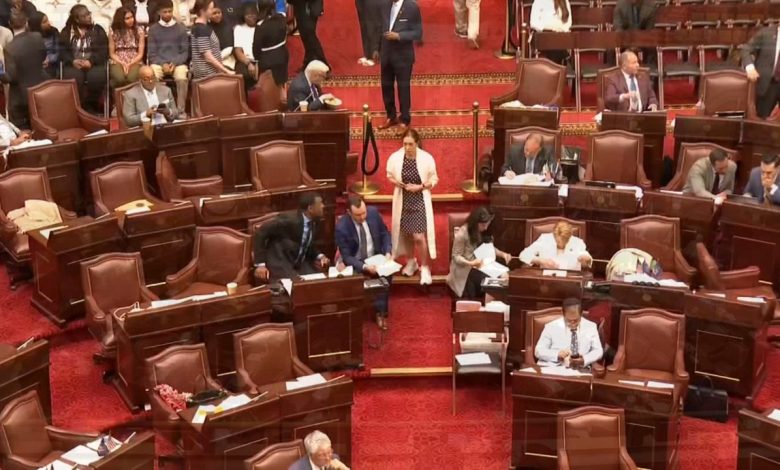
The New York state legislature has plans to wrap up final debates and votes before leaving the state Capitol Building until next year.
That means some measures — such as redistricting changes and delaying smaller class size mandates in New York City — will be greenlit, but others may be left on the cutting room floor as the clock runs out.
What You Need To Know
- They confirmed new judges to the bench and passed hundreds of bills, including giving New York City an extra two years to shrink overcrowded classrooms and a constitutional amendment Democrats say could help them win more congressional seats – if the voters agree
- Backed by House Minority Leader Hakeem Jeffries, it would allow New York to start its redistricting process earlier than 2030 and remove anti-gerrymandering language
- Others will have to wait, like state Sen. Zellnor Myrie’s bill aimed at penalizing sex traffickers
“I would love to be able to pass more bills in the course of the legislative process,” Bronx Democratic state Sen. Jamaal Bailey said.
Running down the clock on the longest state budget process in five years, state lawmakers checked off a long to-do list.
“With the budget being so late, we just couldn’t get to them and I think that’s really unfortunate. I really hope next year’s better,” Brooklyn state Sen. Andrew Gounardes, a Democrat, said.
They confirmed new judges to the bench and passed hundreds of bills, including giving the city an extra two years to shrink overcrowded classrooms and a constitutional amendment Democrats say could help them win more congressional seats – if the voters agree.
“We have to fight fire with fire here in New York. We have to understand that other places might be doing other things. So we have to combat the way we can,” Manhattan Democratic state Assemblyman Jordan Wright said.
Backed by House Minority Leader Hakeem Jeffries, it would allow New York to start its redistricting process earlier than 2030 and remove anti-gerrymandering language.
The legislature must pass it again next year before voters can vote to approve or deny it.
The body is also poised to give themselves the power to write ballot amendment proposals instead of the state Board of Elections.
“We are trying to eliminate confusion for voters who sometimes have no idea what these ballot questions even mean,” Gounardes said.
Debating putting a one-year freeze on data center construction, mainly in upstate cities, opponents argue it could drive up electricity costs, while supporters say a moratorium could damage the local economy.
Others will have to wait, like state Sen. Zellnor Myrie’s bill aimed at penalizing sex traffickers. It passed unanimously in the state Senate, it’s unlikely to clear the Assembly.
“I’m disappointed for the survivors. I’m disappointed for every girl that’s going to be subject to this abuse and exploitation when we could have done something about it,” Myrie said.
Next year, the state Senate will need to decide on a new deputy majority leader, following the exit of longtime Democratic state Sen. Michael Gianaris.
“The types of talents and skills that Sen. Gianaris has brought. I’m pleased I have a lot of talented members,” said Democratic state Senate Majority Leader Andrea Stewart-Cousins.
Next session, the legislature could contend with new priorities, like property tax reform and new funding streams for universal childcare.
“The legislature has always wanted universal childcare. We’ve been fighting for that longer than Mayor Zohran Mamdani decided to run for Assembly,” Stewart-Cousins said.
Credit: Source link