U.S.-Iran deal: What to know
Markets are celebrating a preliminary U.S.-Iran agreement intended to end their war that triggered a global economic downturn and lasted nearly four months. Stocks surged on Monday, as oil prices and bond yields fell.
No deal has yet been signed, though the sides have agreed a “memorandum of understanding” and stood down militarily, and the critical Strait of Hormuz is to be reopened as part of the deal, according to U.S. President Donald Trump.
Here is what we know about what’s been agreed and what could happen next.
Did Iran sign a peace deal?
Iran’s Deputy Foreign Minister Kazem Gharibabadi said the text has been finalized and will be signed on Friday in Geneva, Switzerland. He added: “A permanent and immediate end to the war has been declared on all fronts.” Trump also said the U.S. naval blockade of Iran would stand down.
The text of the “Memorandum of Understanding” has not, as of Monday, been released. What we know is from statements by those involved in the talks.
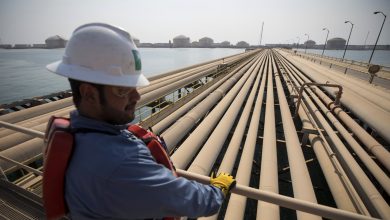
Is the Strait of Hormuz open?
The Strait of Hormuz isn’t officially open yet, but both President Trump and Iran’s Deputy Foreign Minister have said it would reopen Friday after the signing in Geneva.
Trump’s reaction to the agreement on Truth Social focused almost entirely on the Strait of Hormuz, saying it would reopen without tolls.
He posted on Truth Social: “I hereby fully authorize the toll free opening of the Strait of Hormuz, and, simultaneously herewith, authorize the immediate removal of the United States Naval blockade. Ships of the World, start your engines. Let the oil flow!”
He later posted to say the strait would open “upon the signing of the Deal on Friday, for purposes of mine removal.”
Iranian state news agency Mehr later reported the strait reopening would be subject to “Iranian arrangements.”
Qatar said Monday it welcomed the deal between the U.S. and Iran “on addressing the outstanding issues between them, including ensuring freedom of navigation in the Strait of Hormuz.”
Is the war over?

The U.S. and Iran have paused immediate hostilities. The agreement would extend the ceasefire for 60 days to create a framework for future negotiations about Iran’s nuclear program, sanctions and regional security.
These negotiations could create a final peace settlement. Gharibabadi said that the 60-day nuclear negotiations could only begin if the U.S. releases billions of dollars in frozen Iranian funds. The U.S. dismissed the claim.
Trump reiterated Sunday that “Iran will never have a nuclear weapon.” He also told the New York Times that the U.S. could attack Iran again if negotiations failed to produce a resolution on its nuclear ambitions.
“The threat of renewed conflict will remain in the coming months. Pushing the most difficult issues into later negotiations prolongs uncertainty and leaves the underlying confrontation unresolved,” Torbjorn Soltvedt, principal Middle East analyst at risk intelligence company Verisk Maplecroft, told CNBC.
Crucially, Israel is not party to the agreement. The country has been a combatant since the first strikes on Feb. 28. Its attacks on targets in Lebanon have shaken the ceasefire at times. Earlier, Gharibabadi said the “permanent and immediate end to the war” he announced included Lebanon. It’s unclear whether Israel accepts that.
On Monday, Israeli Defense Minister Israel Katz said in a statement that the Israel Defense Force would remain in the so-called “security zones” in Lebanon, as well as Gaza and Syria, adding that Israel would retaliate if Iran attacks the country in response to events in Lebanon.
Who could attend the Geneva signing?
Tehran has not released a list of attendees, which could hint at what backing the deal has from parts of the Iranian political establishment.
Abbas Araghchi, the country’s foreign minister, was central in the negotiations mediated by Pakistan and is the most likely senior Iranian signatory.
If parliamentary speaker Mohammad Bagher Ghalibaf attends, it could signal buy-in from Iran’s conservative and security establishments. If senior security chief Mohammad Bagher Zolghadr attended, it would signal that Iran’s Supreme Leader approved. Zolghadr is, however, subject to sanctions.
No official U.S. delegation has been confirmed.
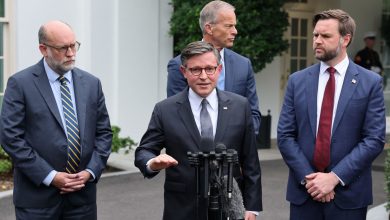
Vice President JD Vance was reportedly under consideration for a signing ceremony if a deal materialized. Trump could also travel there directly from the G7 summit in Evian, France. White House envoy Steve Witkoff, who has led much of the U.S. negotiating track with Iran, is a likely participant.
The conflict has involved many more parties and countries than just the U.S. and Iran.
One of the most important signals will be whether Saudi Arabia and the UAE, which were both drawn into the war, send representatives from their cabinets. That would suggest the agreement has broader backing from countries in the region.
Israeli officials are not expected to attend.